



Search for anything.

Safer Whitening.
Simpler Experience.

Streamlined procedures for a more comfortable
whitening process.

Simple 4-Step Workflow

BeUlight Plasma Whitening features a simplified clinical workflow compared to traditional high-peroxide whitening systems.
Its inherent safety profile reduces the need for gingival barriers, desensitizing agents, and remineralization steps.
This enables a more efficient chairside process, allowing greater focus on the core whitening procedure
while improving overall treatment efficiency and consistency.

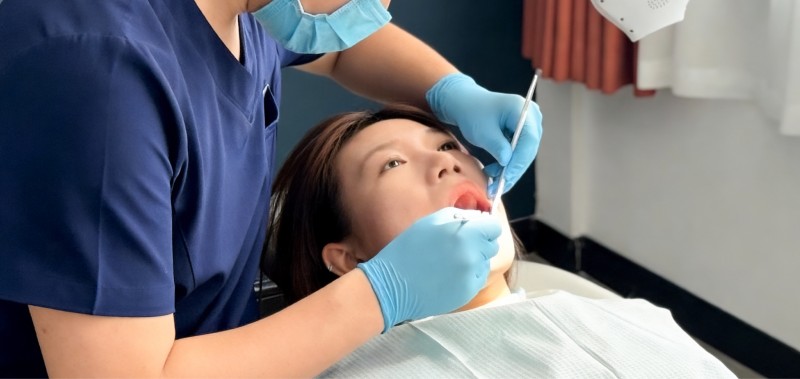
Step.1 Oral Examination

Assess oral health conditions and review treatment precautions with the patient.

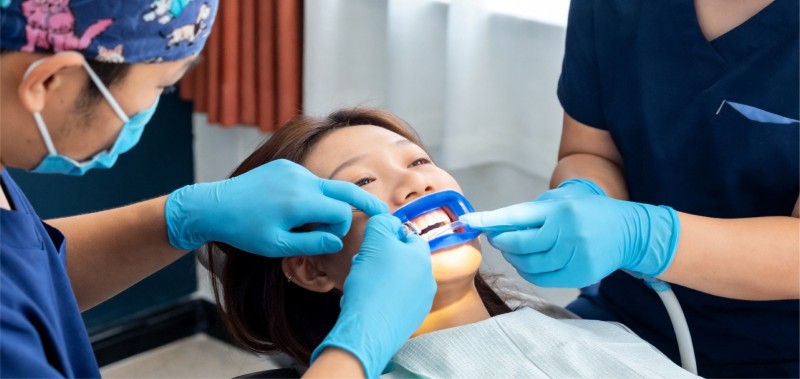
Step.2 Tooth Surface Cleaning

Clean tooth surfaces (or perform standard prophylaxis if needed). Apply vitamin E oil to keep lips moisturized, place a mouth opener, and record initial shade selection.

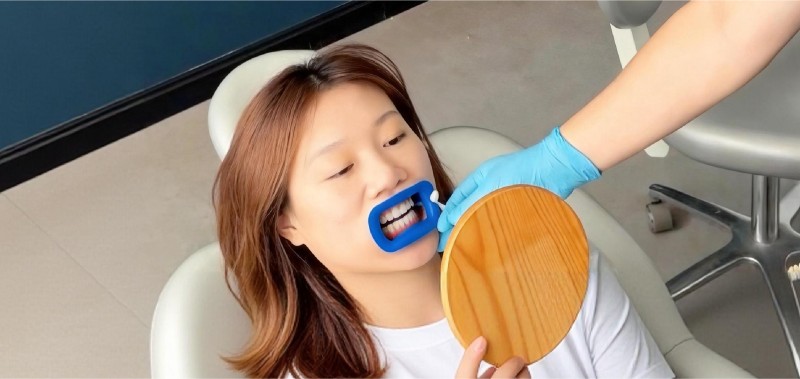
Step.3 Shade Selection & Documentation

Select and confirm the initial tooth shade with the patient. Capture pre-treatment photographs for clinical record.

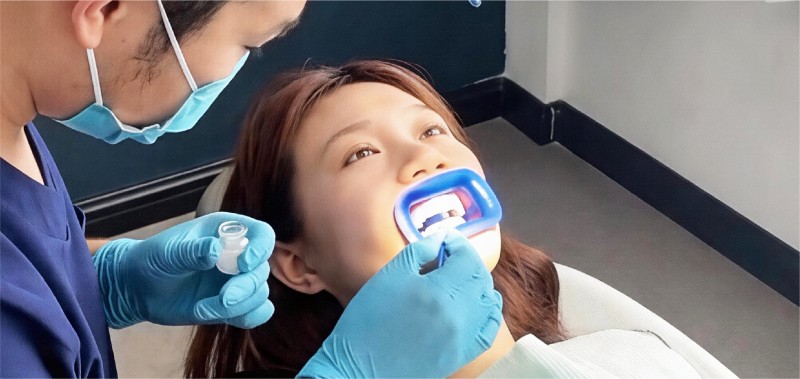
Step.4 Gel Application & Whitening Activation

Apply the activated gel evenly to the tooth surface. Optional blue light assistance may be used based on clinical assessment to optimize results. Repeat application if necessary, followed by final shade evaluation.

Types of Tooth Discoloration

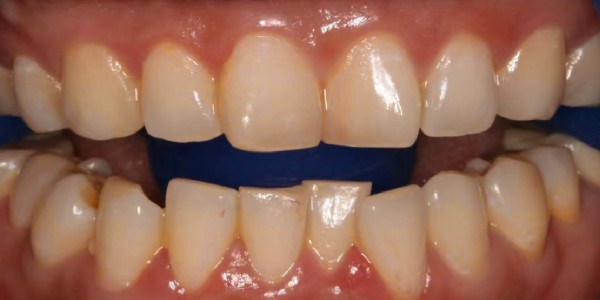
Caused by coffee, tea, tobacco, and other external pigments.

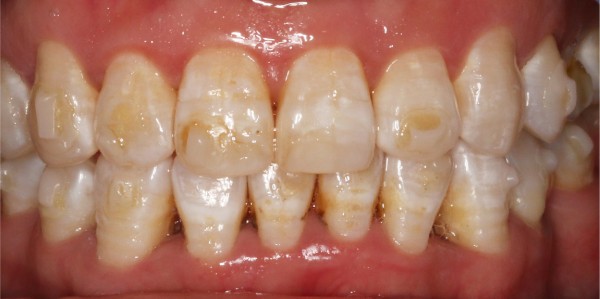
Enamel changes caused by excessive fluoride exposure during development, resulting in white or brown stains.

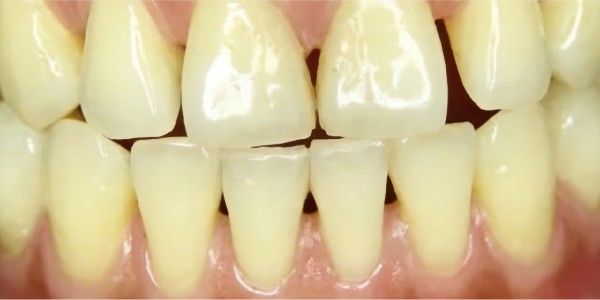
Caused by enamel thinning and increased dentin visibility with aging.

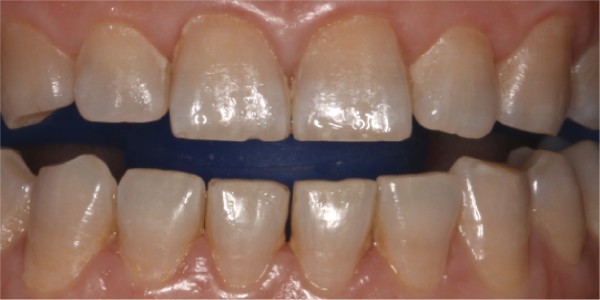
Intrinsic discoloration caused by tetracycline exposure during tooth development, resulting in yellow, brown, or gray banded staining.

Frequently Asked Questions

Clinical research shows that higher hydrogen peroxide concentrations are associated with increased risks of sensitivity and soft tissue irritation.

For this reason, many clinical guidelines recommend limiting peroxide levels to ≤3.5% to improve treatment safety.

BeUlight is designed around a “safe whitening first” philosophy, using ultra-low peroxide levels (≤3%) combined with plasma activation technology to achieve effective whitening while maintaining enamel and soft tissue safety.


Higher concentrations of hydrogen peroxide can reduce mineral content in enamel, leading to temporary demineralization and increased enamel permeability.

As peroxide penetrates enamel and reaches the dentin layer, it may stimulate nerve endings within the tooth, resulting in sensitivity or discomfort.

Traditional whitening systems often rely on desensitizing agents (such as potassium, sodium, or fluoride compounds) to reduce nerve response and alleviate sensitivity during treatment.

However, this approach mainly manages symptoms rather than addressing the underlying interaction between high peroxide concentration and tooth structure.

Although it may seem counterintuitive, BeUlight achieves effective whitening results through plasma activation technology combined with an ultra-low peroxide formulation (≤3%).

The system uses an “activate-on-use” chairside process to prepare the whitening gel immediately before application. The plasma activation process enhances the generation of reactive oxygen species from hydrogen peroxide, increasing its whitening efficiency at low concentration levels.

These reactive oxygen species help break down chromogenic compounds on the tooth surface, resulting in a naturally brighter appearance while maintaining a low-irritation profile.

Once activated, whitening gel components may gradually lose potency over time, which can affect overall efficacy.

The “activate-on-use” design ensures the whitening gel is applied during its peak activity period, helping maintain consistent performance.

This approach also reduces potential activity loss caused by storage conditions in traditional pre-mixed whitening systems.

The BeUlight plasma whitening system is designed to provide a safe and comfortable clinical experience.

The whitening process is typically well tolerated and aims to minimize enamel impact, demineralization, and post-treatment sensitivity. After treatment, teeth appear naturally brighter with a smooth surface finish.

For teeth with pre-existing conditions such as enamel cracks, wedge-shaped defects, wear, or exposed dentin, mild and temporary sensitivity may occasionally occur during the procedure. These sensations are generally short-lived and resolve quickly after treatment.

Yes. BeUlight plasma whitening is designed to be gentle and can be performed immediately after professional dental cleaning.

It does not require a waiting period, and is typically well tolerated by healthy teeth without causing discomfort.

A full BeUlight treatment session typically takes around 60 minutes per unit.

The whitening gel is freshly prepared chairside before use, and no gingival barrier or desensitizing agents are required during the procedure.

Each treatment cycle includes three consecutive applications with light activation, each lasting approximately 15 minutes.

After completion, the patient simply rinses or cleans the tooth surface.

The longevity of whitening results varies depending on individual lifestyle habits, such as diet, smoking, and oral hygiene routines.

To maintain optimal results, a personalized maintenance plan and regular touch-up treatments are recommended.

Thanks to its low-peroxide, enamel-safe design, BeUlight allows flexible maintenance use, with a minimum interval as short as every other day when clinically appropriate.

It can also be used as a periodic or on-demand whitening maintenance solution to support long-term aesthetic results.

After BeUlight whitening, there are no strict dietary restrictions required.

Patients can return to normal eating and drinking immediately, with minimal impact on daily lifestyle.

To maintain optimal results, good oral hygiene and routine maintenance are recommended.

BeUlight whitening is not recommended for individuals with peroxide allergies.

It is also not suitable for pregnant or breastfeeding women, children, and young permanent teeth with enlarged pulp chambers.

Patients with significant enamel defects (such as enamel hypoplasia, wedge-shaped defects, or severe wear), exposed root surfaces, pulp inflammation, or untreated dental caries should avoid treatment until conditions are properly managed.

In addition, teeth with extensive restorations (including crowns, dentures, large fillings, or veneers) may not respond to whitening treatment.

E-mail

info@wanshen-med.com
二维码

Wechat