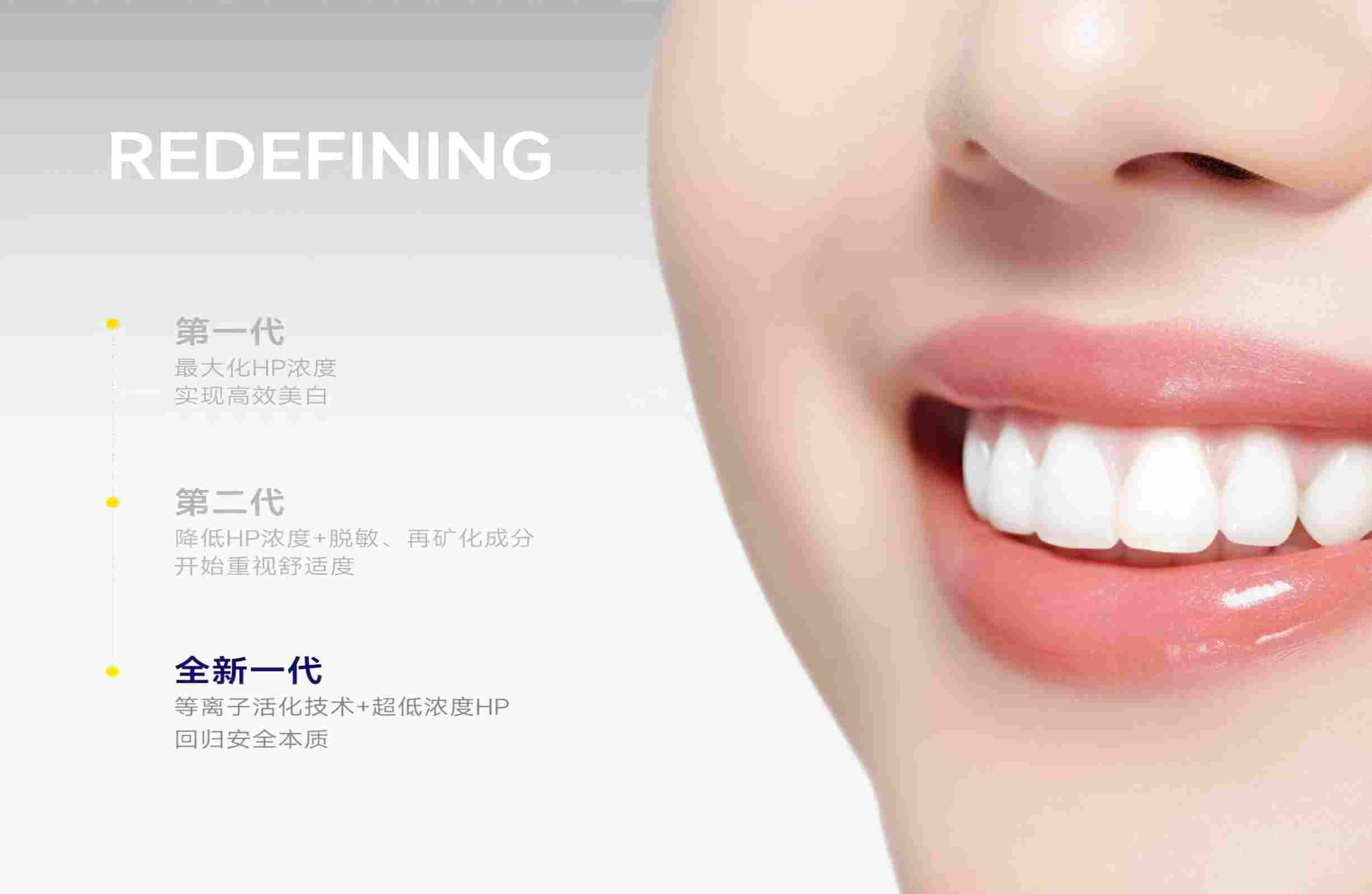
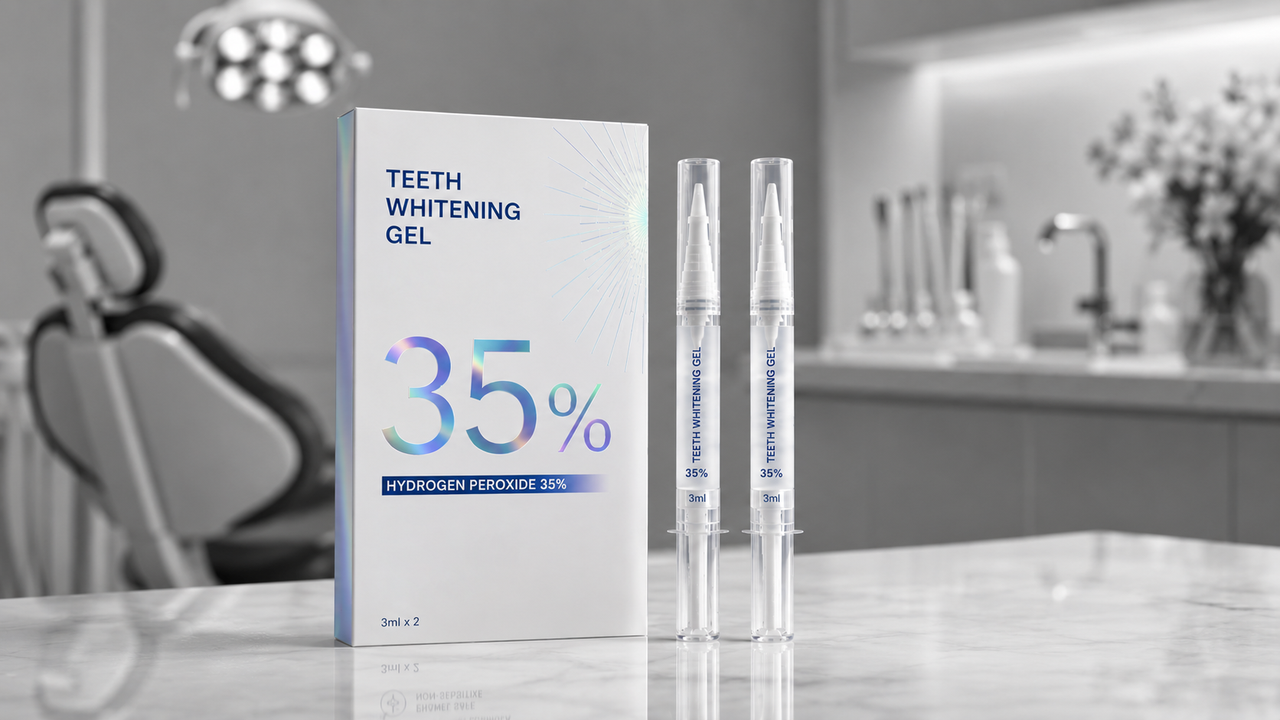
Traditional teeth whitening systems are typically based on a concentration-driven approach. They rely on relatively high concentrations of hydrogen peroxide, usually ranging from 15% to 40% HP, to oxidize and break down stains on both the surface and within the deeper layers of the tooth structure.From a mechanistic perspective, hydrogen peroxide decomposes upon contact with the tooth surface, generating oxidizing species that react with stain molecules and gradually reduce discoloration.However, increasing peroxide concentration alone is not without limitations. While higher concentrations may enhance oxidation potential, this concentration-focused strategy faces inherent challenges in balancing whitening efficiency, comfort, and overall treatment experience.
1.Tooth Sensitivity and Discomfort
During the whitening process, high concentrations of hydrogen peroxide may increase the likelihood of tooth sensitivity. As oxidizing agents penetrate through the enamel and dentin, they can stimulate the nerves inside the tooth, leading to temporary discomfort such as sensitivity, tingling, or sharp sensations. In some cases, these symptoms may persist for a period of time after treatment.
2.Enamel Demineralization:
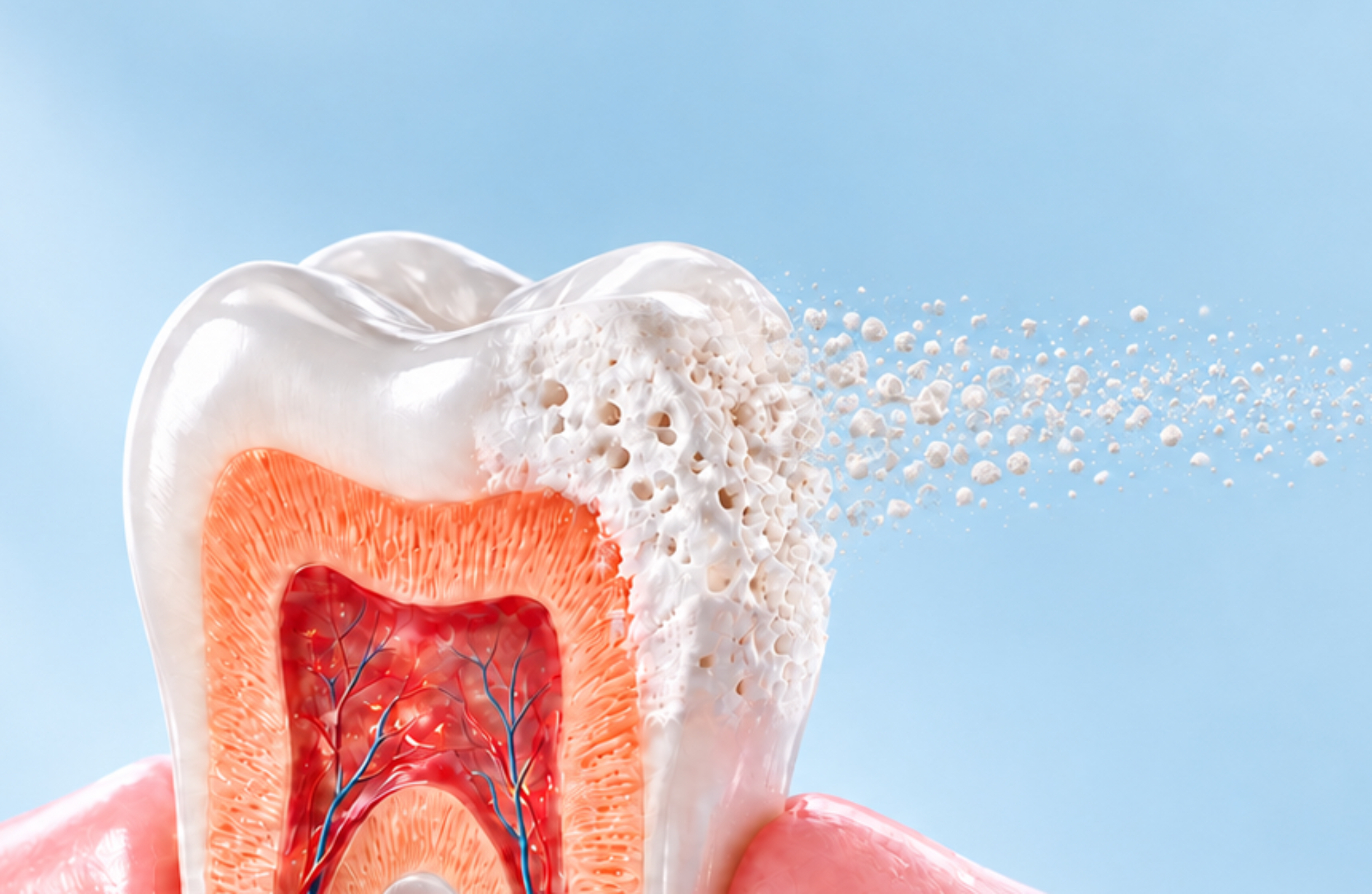
A Key Concern in High-Concentration WhiteningProlonged exposure to a highly oxidative environment may contribute to enamel demineralization, a process in which minerals are gradually lost from the enamel surface.This concern is often associated with traditional high-concentration whitening systems. Because not all hydrogen peroxide participates in the whitening reaction, residual oxidizing agents may remain on the tooth surface and surrounding soft tissues, potentially increasing the risk of enamel alteration and tissue irritation.
3.More Complex Clinical Procedures
·Before treatment: Gingival barriers or protective materials are typically required to shield soft tissues from exposure to high-concentration whitening agents.
·During treatment: Precise control of gel application and treatment duration is essential, requiring careful clinical supervision.
·After treatment: Additional post-whitening care, such as desensitizing or remineralization products, may be recommended to support patient comfort and enamel recovery.
As a result, the overall procedure can be more complex and highly dependent on proper clinical technique.
Core Challenge: Traditional whitening has long faced a key trade-off: higher concentrations may deliver stronger results, but also increase sensitivity, procedural complexity, and potential impact on enamel health.
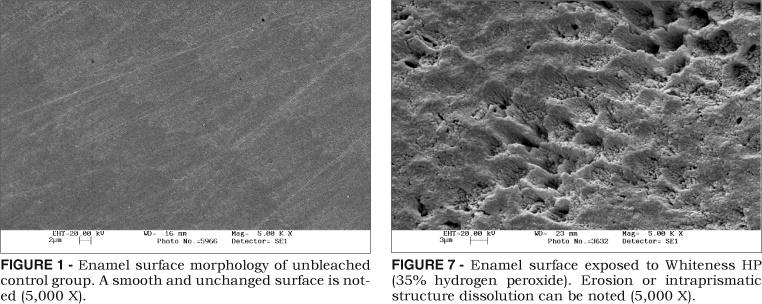
Image from literature:Pinto CGF et al. Peroxide bleaching agent effects on enamel surface microhardness, roughness and morphology. Brazilian Dental Journal, 2004.
Left Image: Figure 1 – Enamel surface morphology of the unbleached control group. The enamel surface remained smooth with no observable changes (5,000× magnification).
Right Image: Figure 7 – Enamel surface exposed to Whiteness HP (35% hydrogen peroxide). Erosion and dissolution of the interprismatic enamel structure can be observed on the enamel surface (5,000× magnification).
Scientific studies show that hydrogen peroxide bleaching agents with concentrations ranging from 3.6% to 12.6% have a safety coefficient that varies significantly from 350 to 55, indicating a wide difference in safety performance depending on concentration levels.To ensure maximum user safety, risk assessment results suggest that the hydrogen peroxide concentration in whitening formulations should not exceed 3.5%.Therefore, using ultra-low concentration hydrogen peroxide (≤3.5%) has become a necessary approach to achieving safe and reliable tooth whitening results.
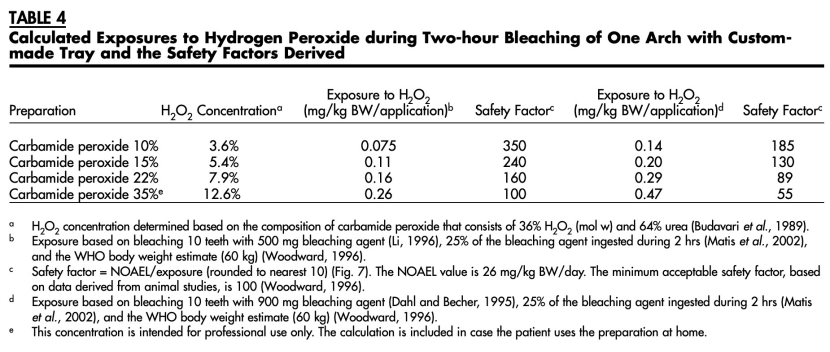
Safety factor = NOAEL / Exposure (Minimum acceptable safety factor: 100; NOAEL = 26 mg/kg body weight/day)
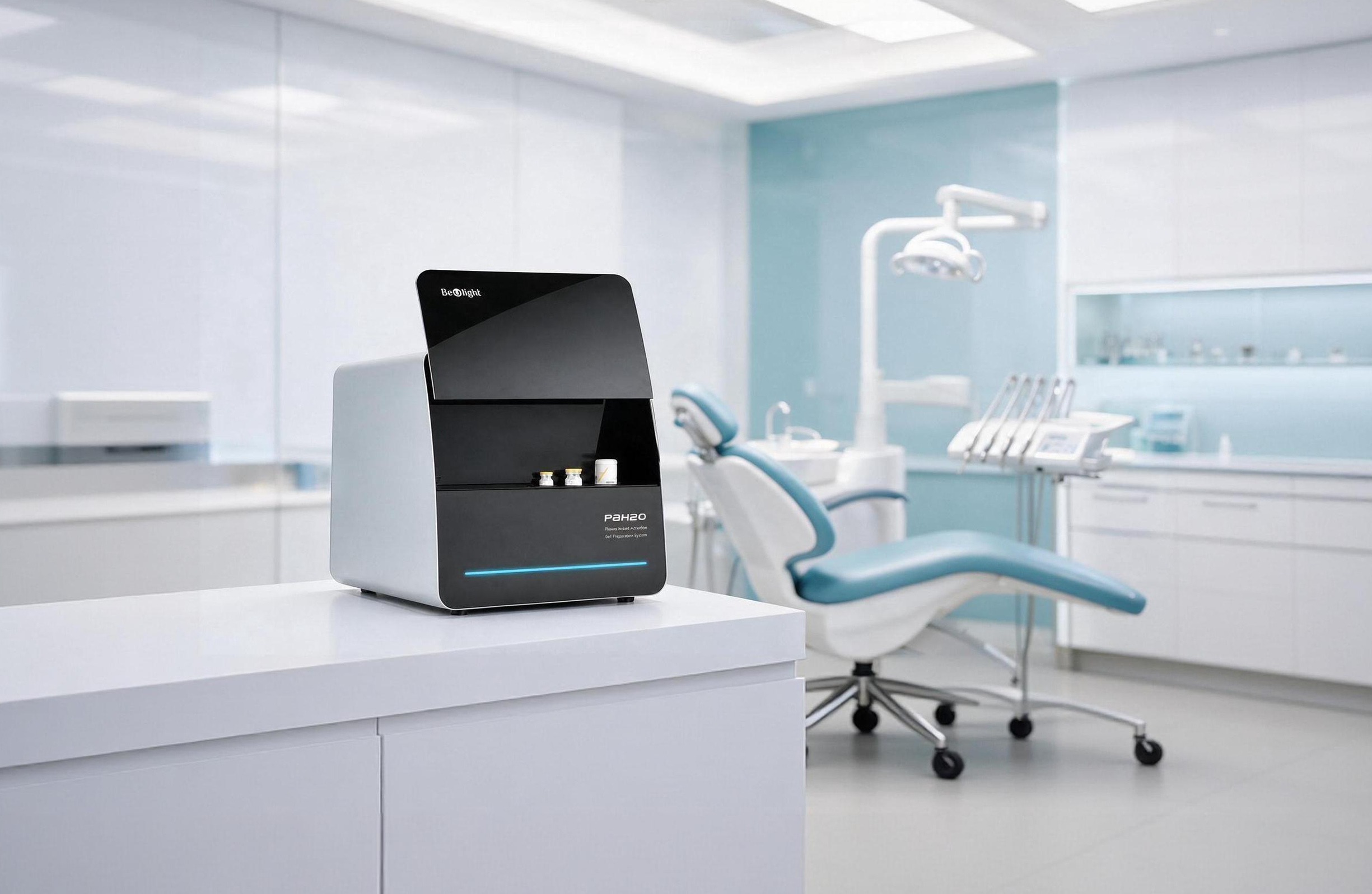
It uses a low-concentration hydrogen peroxide system (≤3% HP), shifting away from a concentration-driven model. Instead of increasing chemical strength, it relies on Plasma Activation Technology to enhance reactivity through physical energy input, enabling efficient whitening. This represents the fundamental distinction from traditional whitening approaches.
1.Reduced Irritation and Improved Comfort
By improving the reactive efficiency of ≤3% hydrogen peroxide through plasma activation, the system reduces reliance on high-concentration oxidants that are more likely to stimulate dentin sensitivity, thereby enhancing overall treatment comfort.
2.Reduced Risk of Enamel Demineralization and Improved Structural Stability
The ≤3% hydrogen peroxide system minimizes prolonged exposure of enamel to excess oxidizing agents. Under properly controlled clinical conditions, it helps maintain mineral balance within the enamel and supports overall tooth structure stability.
3.Simplified Clinical Workflow
·Before treatment: The low-concentration gel reduces the need for gingival barriers, as it is less likely to irritate soft tissues.
·After treatment: Routine desensitizing or remineralization procedures may be minimized, simplifying post-treatment care.
At the core, traditional teeth whitening and Plasma Teeth Whitening are based on two fundamentally different concepts: concentration-driven whitening and activity-driven whitening. These distinct technological pathways influence not only how the whitening process works, but also the overall treatment experience and clinical outcomes. The comparison below highlights the key differences between the two approaches across several important dimensions.
| Comparison Criteria | Traditional Teeth Whitening (Concentration-Driven) | Plasma Teeth Whitening (Activity-Driven) |
| Whitening Mechanism | Increase hydrogen peroxide concentration to enhance oxidation strength | Enhance reactivity rather than increasing peroxide concentration |
| Hydrogen Peroxide Concentration | 15%–40% HP (high concentration) | ≤3% HP (low concentration) |
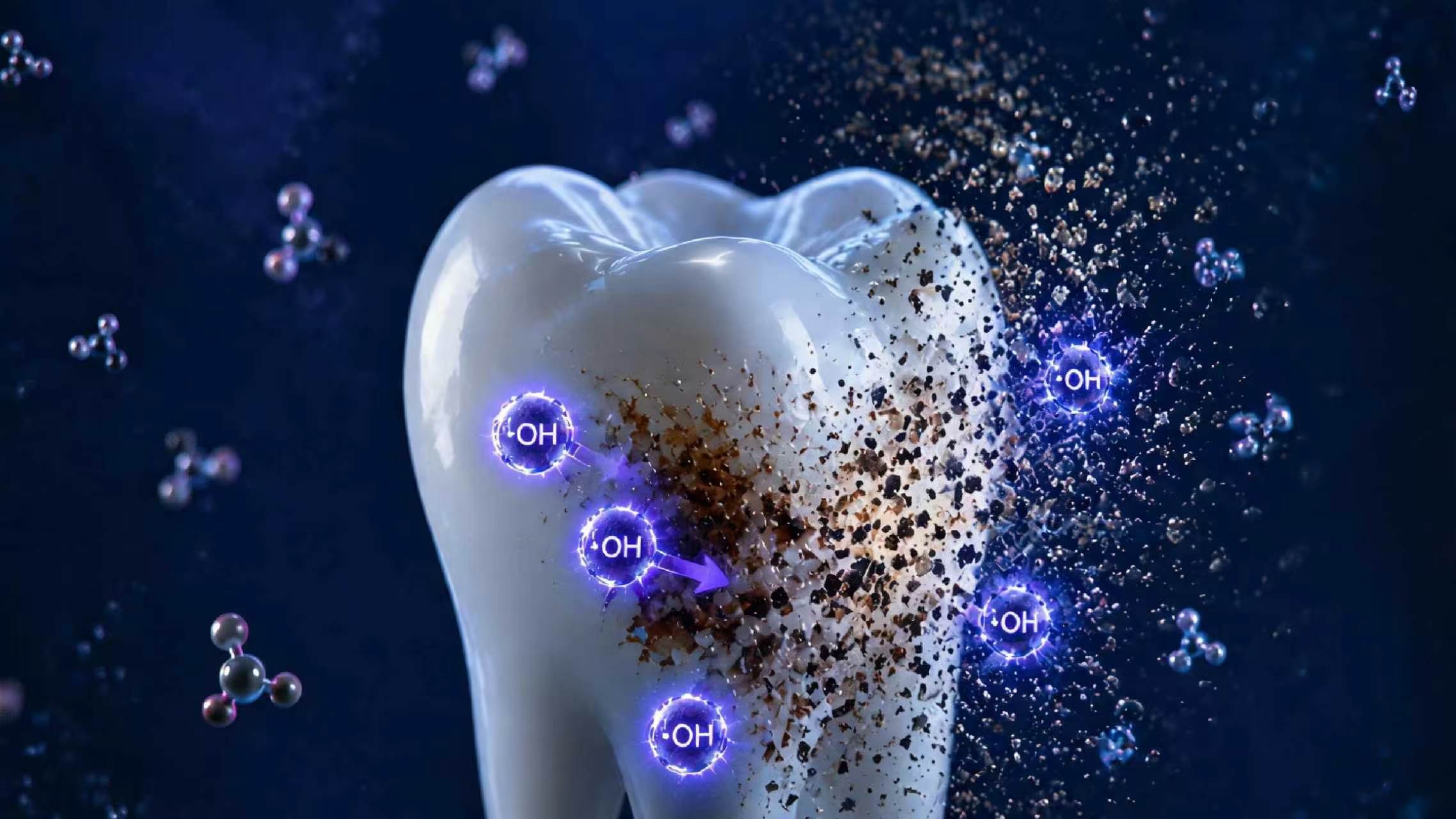
| Activation Method | Relies on the natural decomposition of high-concentration hydrogen peroxide | Activated by a low-temperature plasma jet, generating Hydroxyl Radicals (•OH) and Reactive Oxygen Species (ROS) |
| Reactive Species Generation Efficiency | Limited efficiency in generating highly reactive oxidizing species | Highly efficient activation and utilization, significantly enhancing the generation of reactive oxidizing species |
| Impact on Enamel | High-concentration oxidation may increase the risk of enamel demineralization and structural alteration | The low-concentration (≤3% HP) system helps minimize oxidative stress on enamel and supports enamel integrity |
| Tooth Sensitivity | Higher likelihood of tooth sensitivity and treatment-related discomfort | Lower peroxide concentration helps reduce sensitivity and improve treatment comfort |
| Need for Gingival Protection | Typically requires gingival protection prior to treatment | Typically does not require additional gingival protection |
| Post-Treatment Care | Often requires desensitizing and remineralization products as part of post-treatment care | May reduce the need for routine post-treatment remineralization procedures |
| Procedure Complexity | More complex procedure requiring careful clinical control and operator expertise | Simplified workflow with a higher degree of procedural standardization |
| Safety Profile | Residual exposure to high-concentration oxidizing agents may limit the overall safety margin | Combines low peroxide concentration with high reactivity, providing a broader safety margin |
As teeth whitening technology continues to advance, the industry is gradually shifting from a concentration-driven model to one focused on improving whitening efficiency through enhanced reactivity.
By combining Plasma Activation Technology with a ≤3% hydrogen peroxide system, Plasma Teeth Whitening offers a new approach that balances whitening performance with patient comfort.
In the future, the success of a whitening technology may be measured not only by how much it whitens teeth, but also by how well it delivers safety, comfort, and a standardized treatment experience.