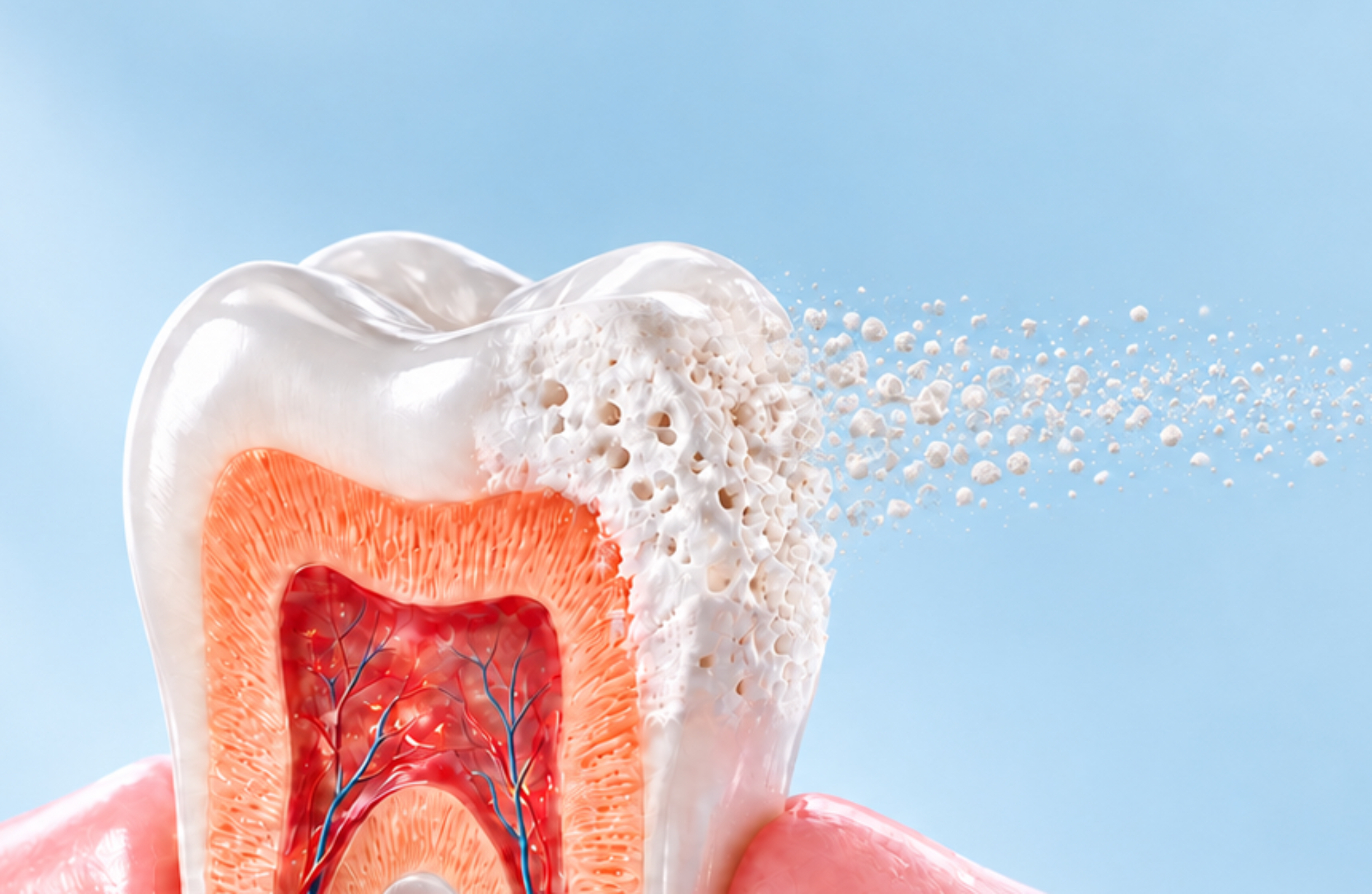
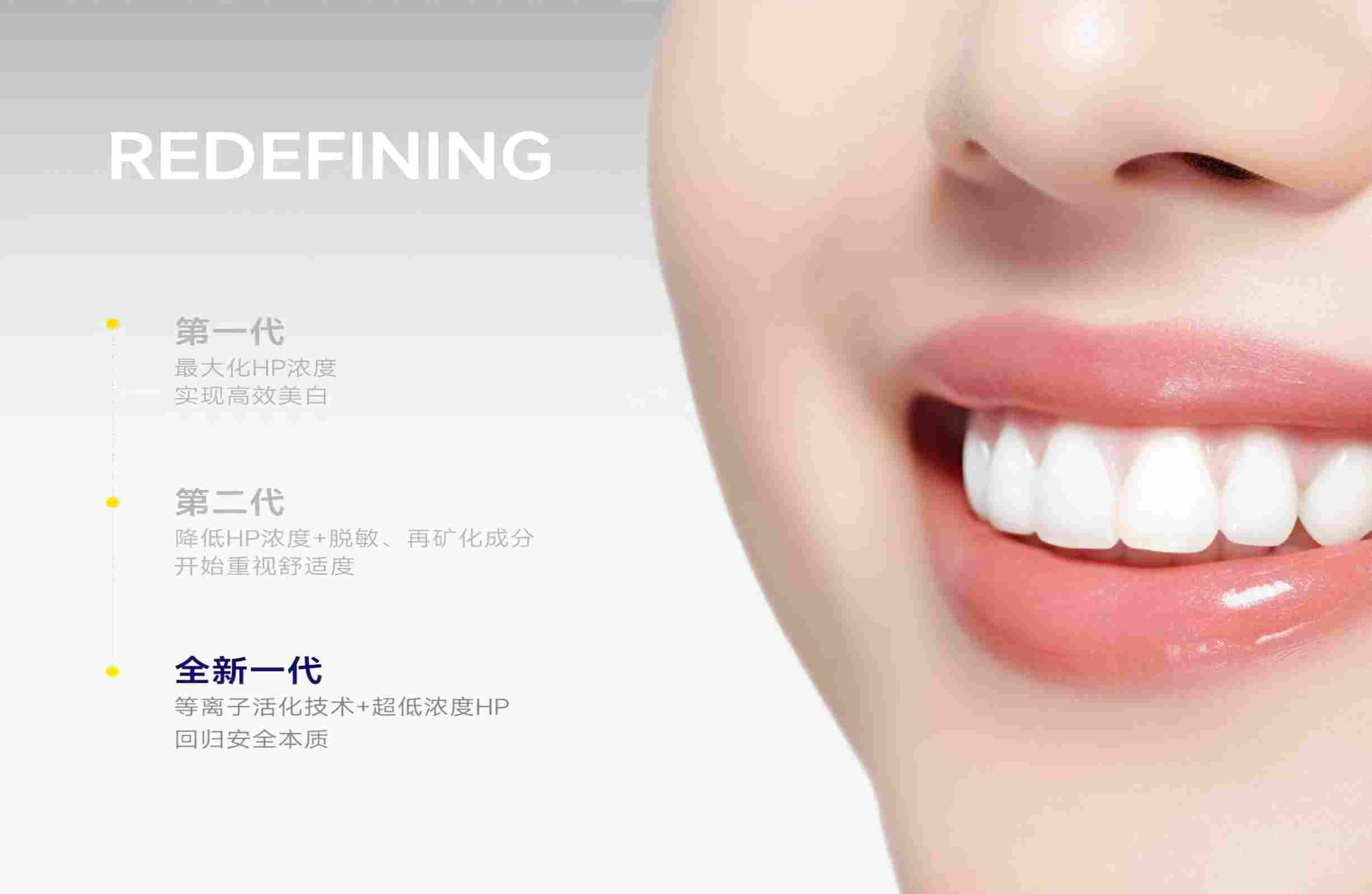
In the development of teeth whitening technologies, hydrogen peroxide (HP) has always been the primary active ingredient. Traditionally, the industry has widely believed that higher concentrations of hydrogen peroxide lead to better whitening results, which has made high-concentration HP the dominant approach in professional whitening treatments for many years.
However, as consumers place increasing emphasis on safety, comfort, and long-term oral health, the industry has begun to explore alternative technological pathways.Rather than simply increasing hydrogen peroxide concentration, emerging technologies are increasingly focused on improving the efficiency of the whitening reaction, aiming to achieve optimal results while maintaining a stronger safety profile and better treatment experience.
Traditional high-concentration hydrogen peroxide whitening systems often place higher demands on enamel integrity and individual tolerance. As a result, individuals with sensitive teeth may have concerns when considering professional whitening treatments.
Market feedback shows that consumers typically prioritize the following considerations when choosing a teeth whitening treatment:
·Will it cause tooth sensitivity or discomfort?
·Will it affect enamel health or integrity?
·Is it suitable for sensitive teeth?
·Is the treatment process comfortable and easy to undergo?
·Can it deliver both effective results and a strong safety profile?
This shift in consumer priorities is also reshaping how teeth whitening treatments are evaluated within the industry.Teeth whitening is no longer judged solely by whitening results. Instead, it is increasingly evaluated based on a combination of efficacy, comfort, safety, and overall treatment experience.
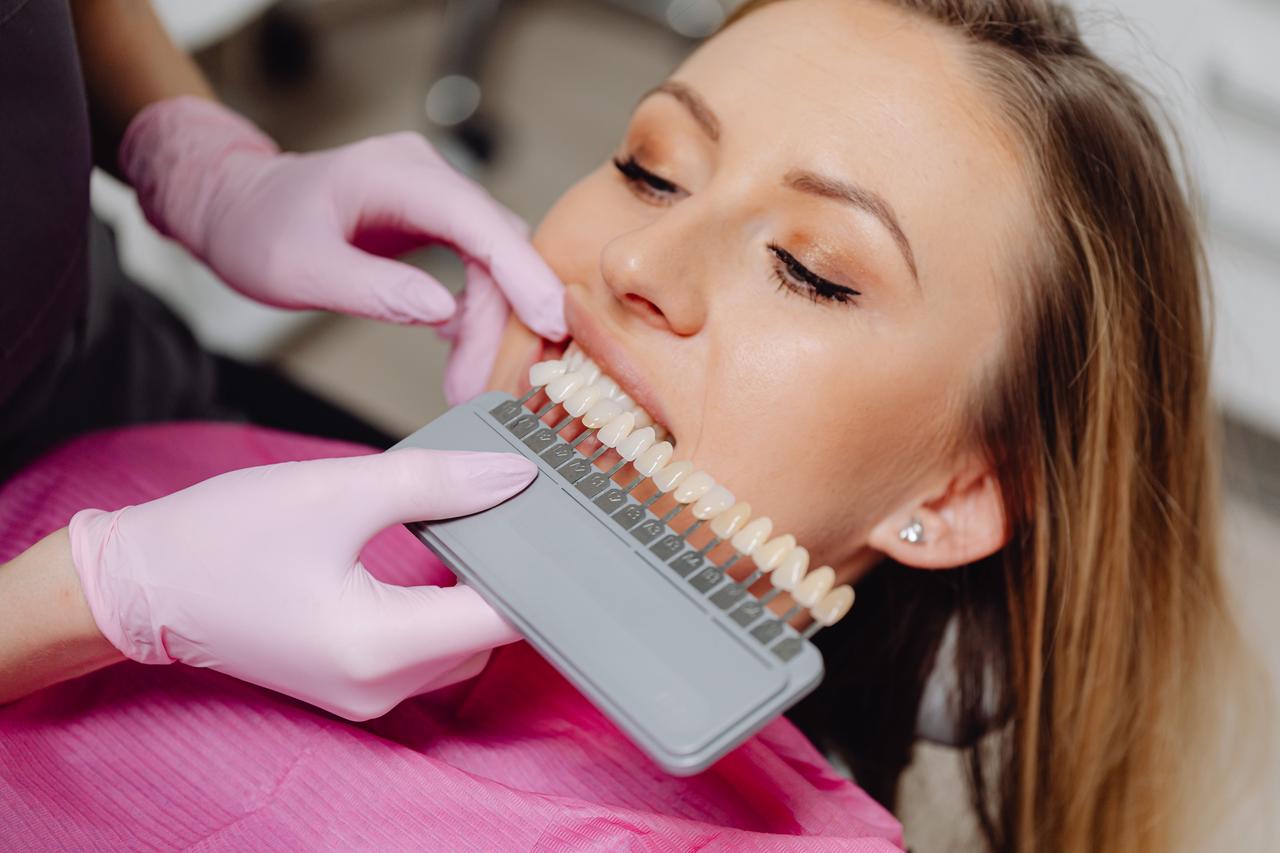
Traditional high-concentration whitening systems often require relatively high standards for enamel integrity and individual tolerance. As a result, individuals with sensitive teeth may be more cautious when considering whitening treatments.
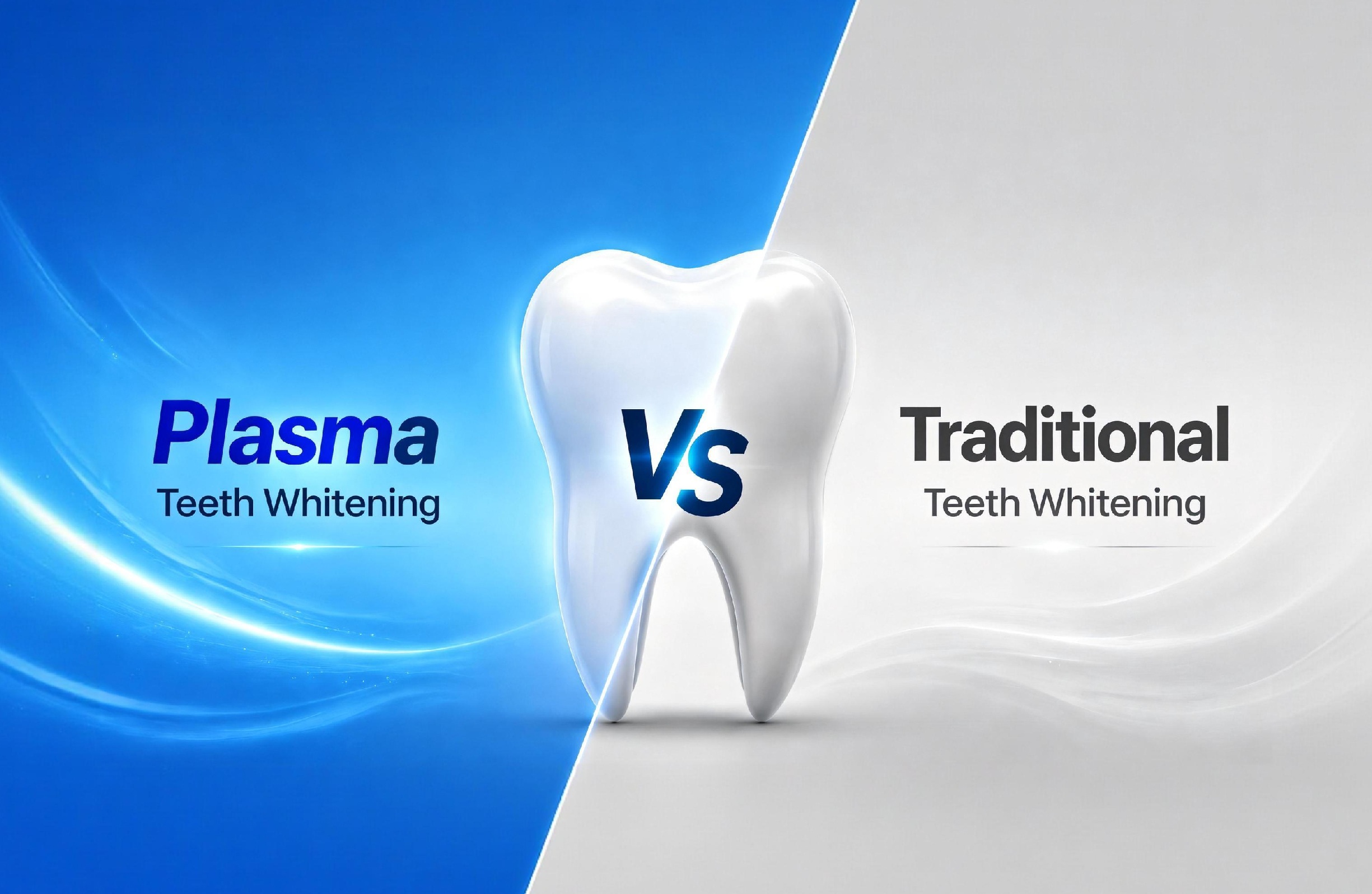
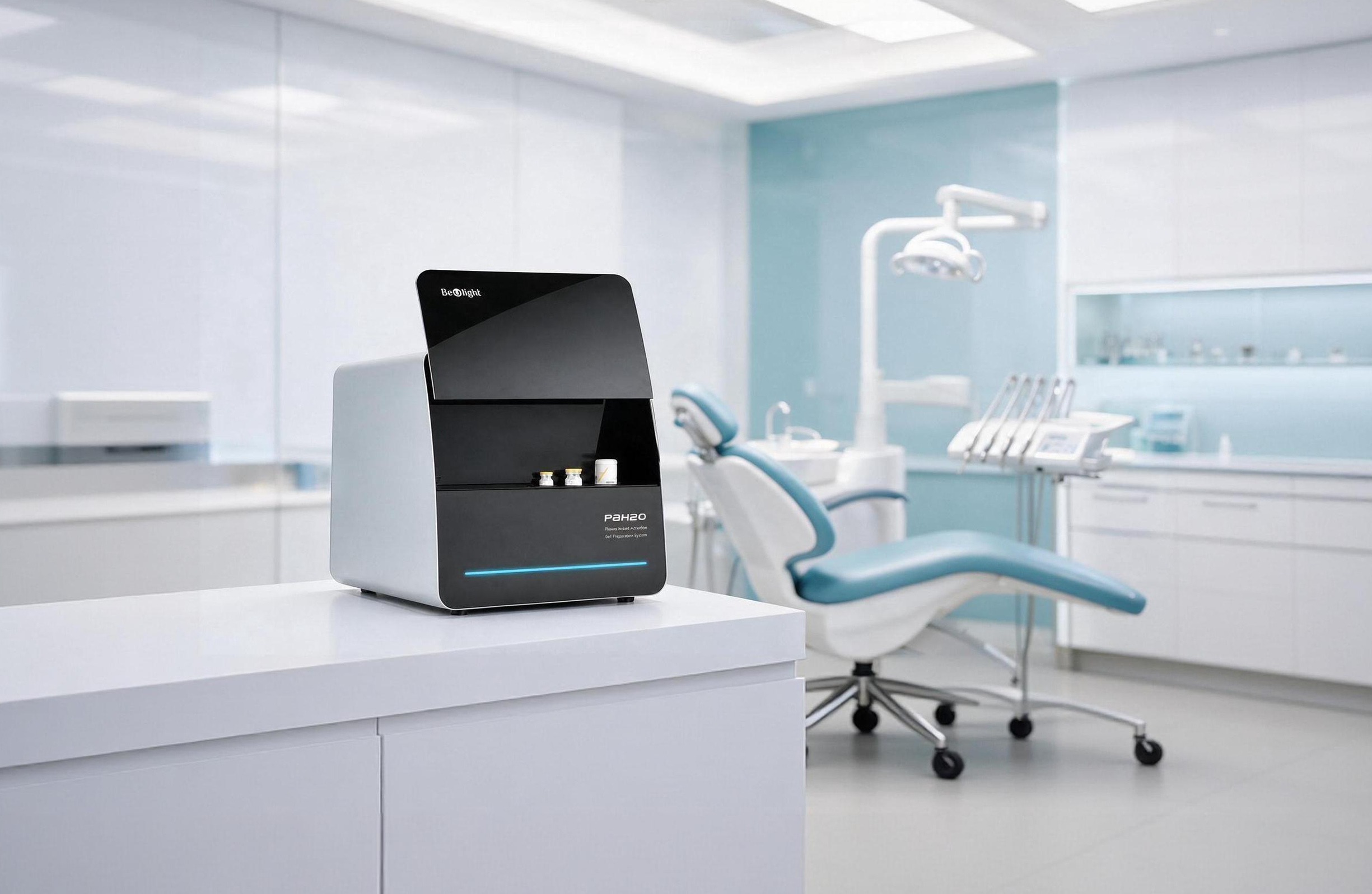
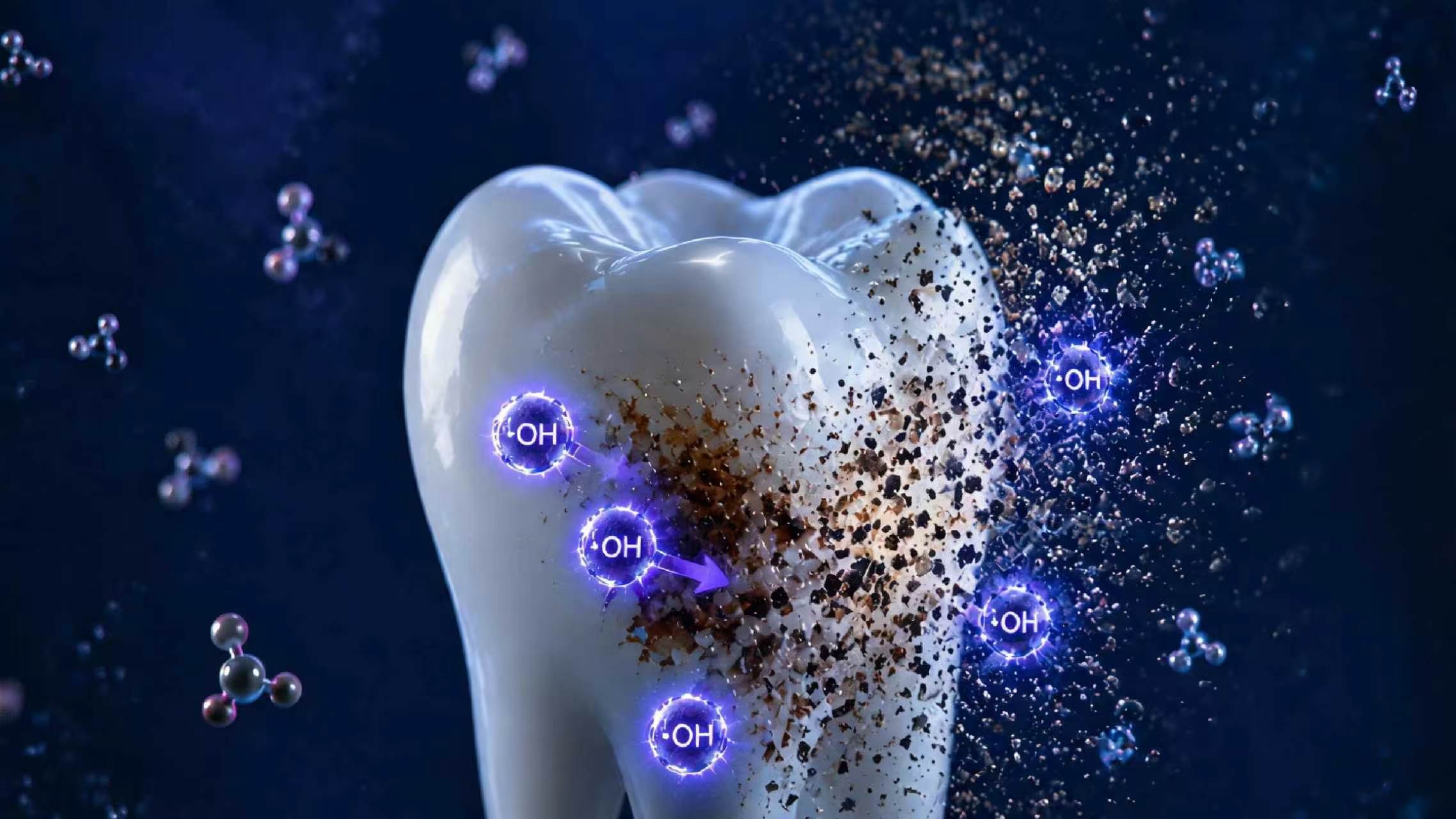
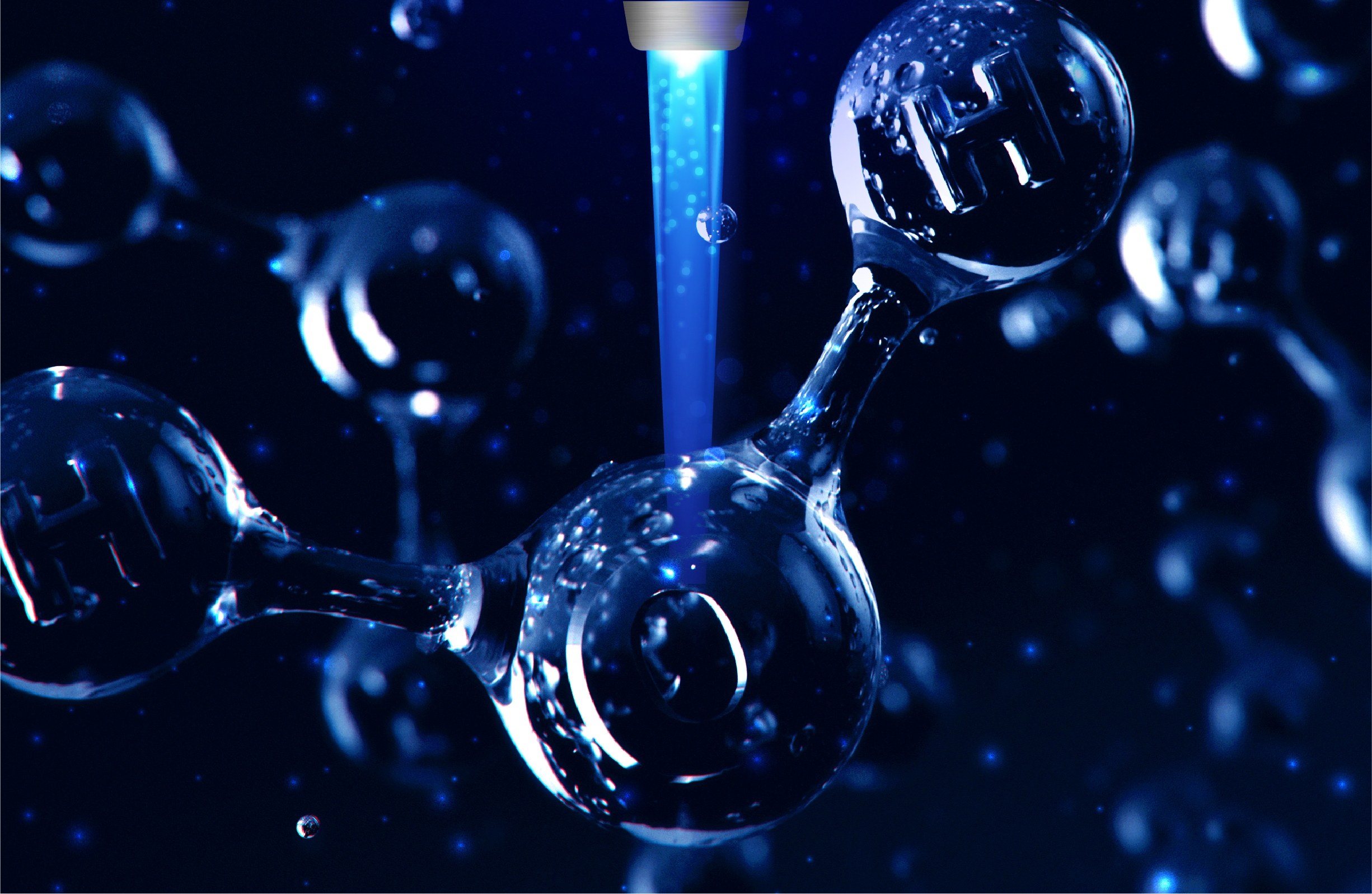
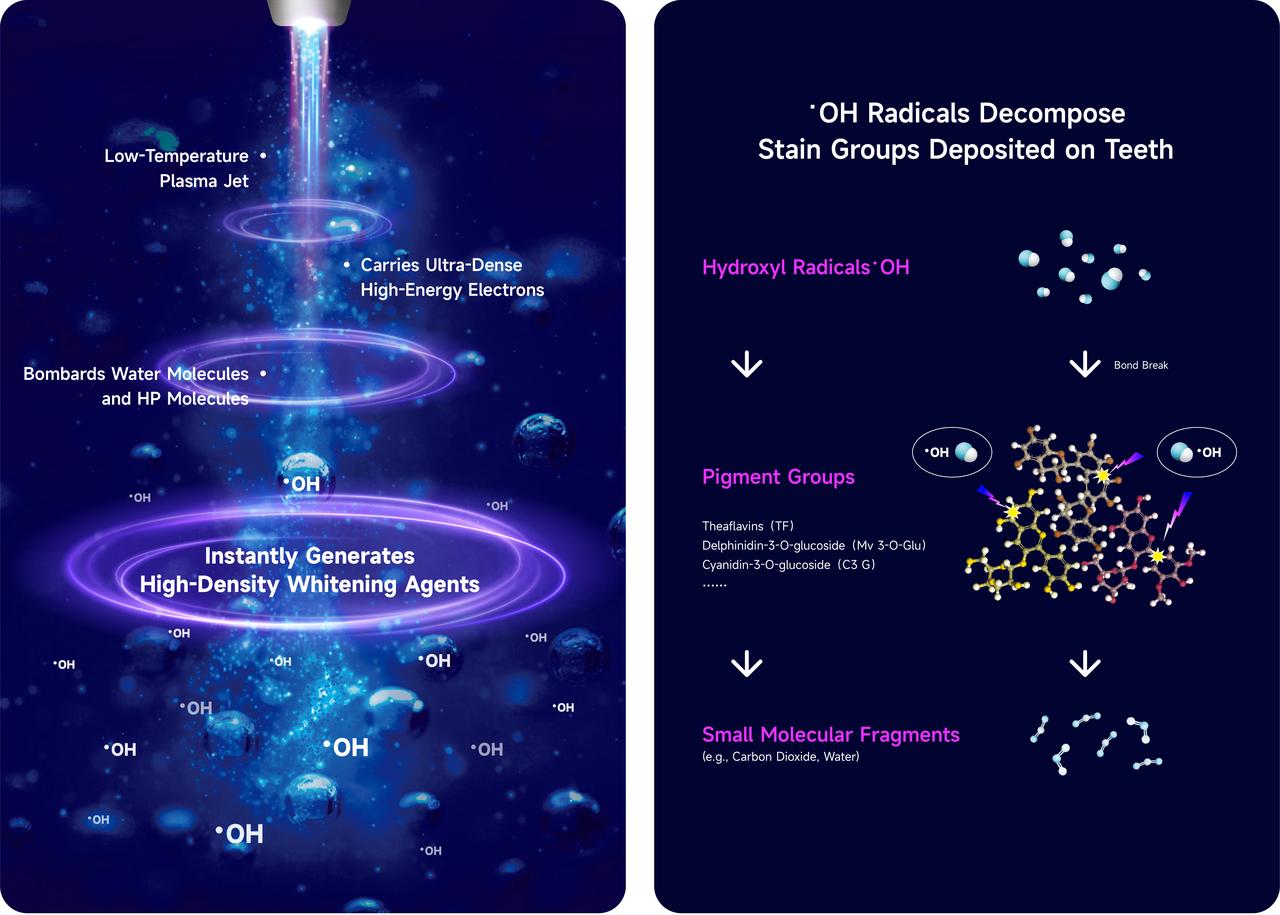
With the development of Plasma Activation Technology, a new “low-concentration, high-activity” approach represented by Plasma Teeth Whitening has gained increasing attention.By enhancing the generation efficiency of reactive oxygen species, this approach enables effective stain breakdown under low hydrogen peroxide concentrations, offering consumers a solution that balances whitening performance and treatment safety.
For individuals with sensitive teeth, this approach reduces reliance on high-concentration hydrogen peroxide and expands the applicability of professional whitening treatments, allowing a broader range of patients to access clinically guided whitening procedures.
As oral health awareness continues to grow, consumer perceptions of teeth whitening are also evolving.
In the past, teeth whitening was often viewed as a one-time cosmetic procedure.Today, more consumers are focusing on the long-term maintenance of smile aesthetics, aiming to maintain a naturally clean and healthy-looking tooth appearance while preserving overall oral health.For individuals with noticeable extrinsic staining caused by coffee, tea, or red wine, regular whitening maintenance is increasingly becoming part of their oral aesthetic care routine.

This means that modern teeth whitening technologies are no longer evaluated solely by their immediate whitening results, but also by their safety profile and repeatable clinical value for ongoing management.Traditional high-concentration whitening systems typically require more stringent treatment intervals and cycle control. In contrast, the “low-concentration, high-activity” approach represented by Plasma Activation Technology offers greater flexibility for long-term maintenance strategies.
For dental clinics, teeth whitening is increasingly becoming integrated into broader frameworks of oral health management and smile aesthetics management.Under professional guidance, patients can adopt more structured and continuous whitening maintenance plans based on their lifestyle habits and the extent of extrinsic staining.This balanced approach—combining efficacy with safety—is becoming an important direction in the evolution of the dental aesthetics industry.
At its core, the emergence of Plasma Teeth Whitening is not only a technological innovation, but also a reflection of an evolution in the underlying philosophy of teeth whitening.
In the past, the industry primarily relied on increasing hydrogen peroxide concentration to enhance whitening performance. In contrast, next-generation whitening technologies place greater emphasis on improving the efficiency of the whitening reaction, aiming to achieve optimal results under low hydrogen peroxide concentrations.
The teeth whitening industry is undergoing a fundamental shift—from pursuing higher concentrations to pursuing higher efficiency; from focusing on immediate results to prioritizing long-term oral health; and from emphasizing rapid whitening outcomes to balancing safety, efficacy, and patient experience.
Looking ahead, as innovations such as Plasma Activation Technology continue to advance, teeth whitening is expected to evolve toward greater safety, comfort, precision, and sustainability, delivering more science-based solutions for modern smile aesthetics.