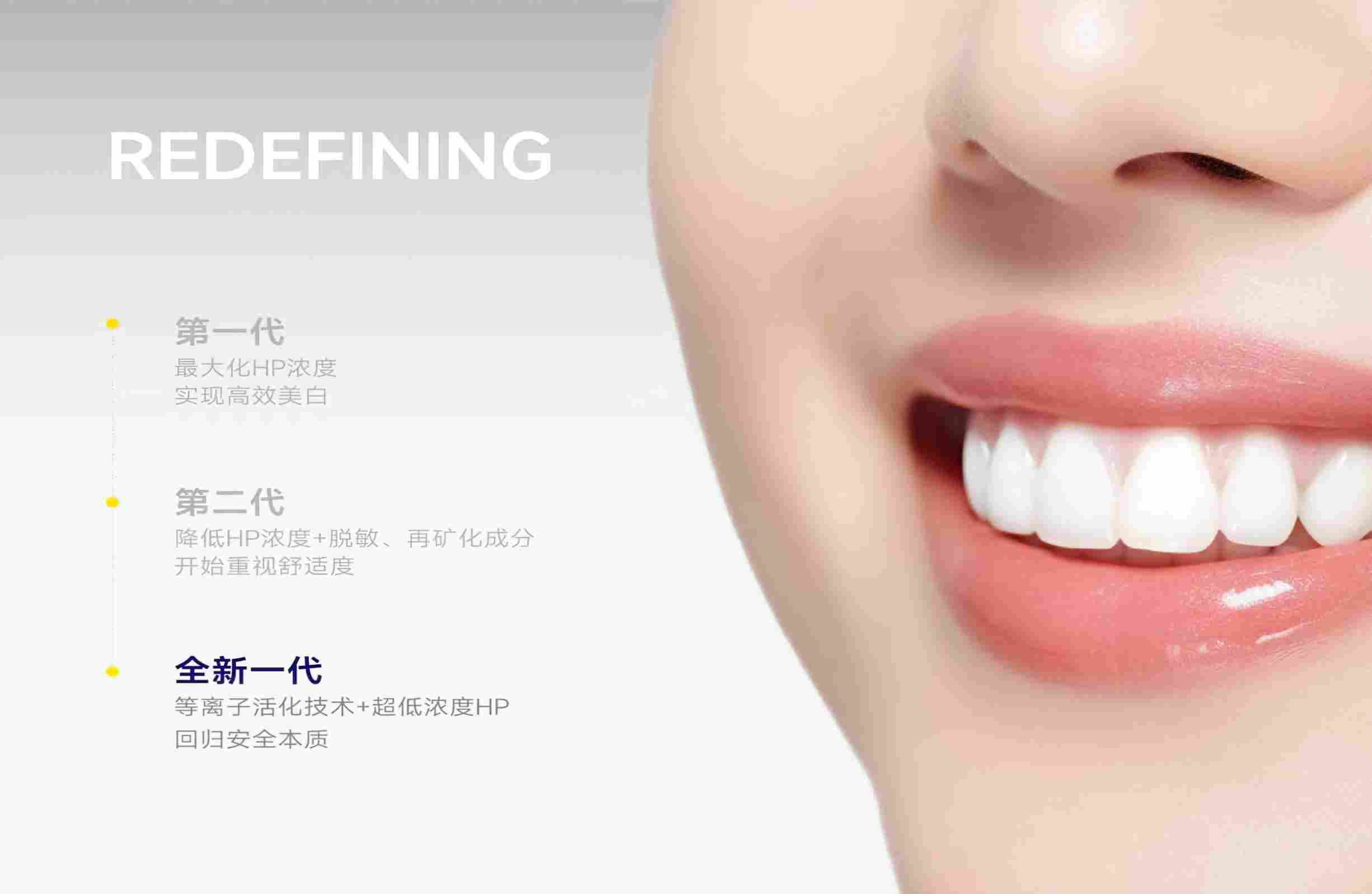
Post-whitening soreness is a long-standing comfort concern in professional teeth whitening. Some people feel almost nothing during the process, while others experience brief soreness, pressure, stinging, or hot-and-cold sensitivity. What seems like a difference in subjective feeling is, in fact, rooted in the biological responses triggered when teeth are exposed to whitening stimuli.
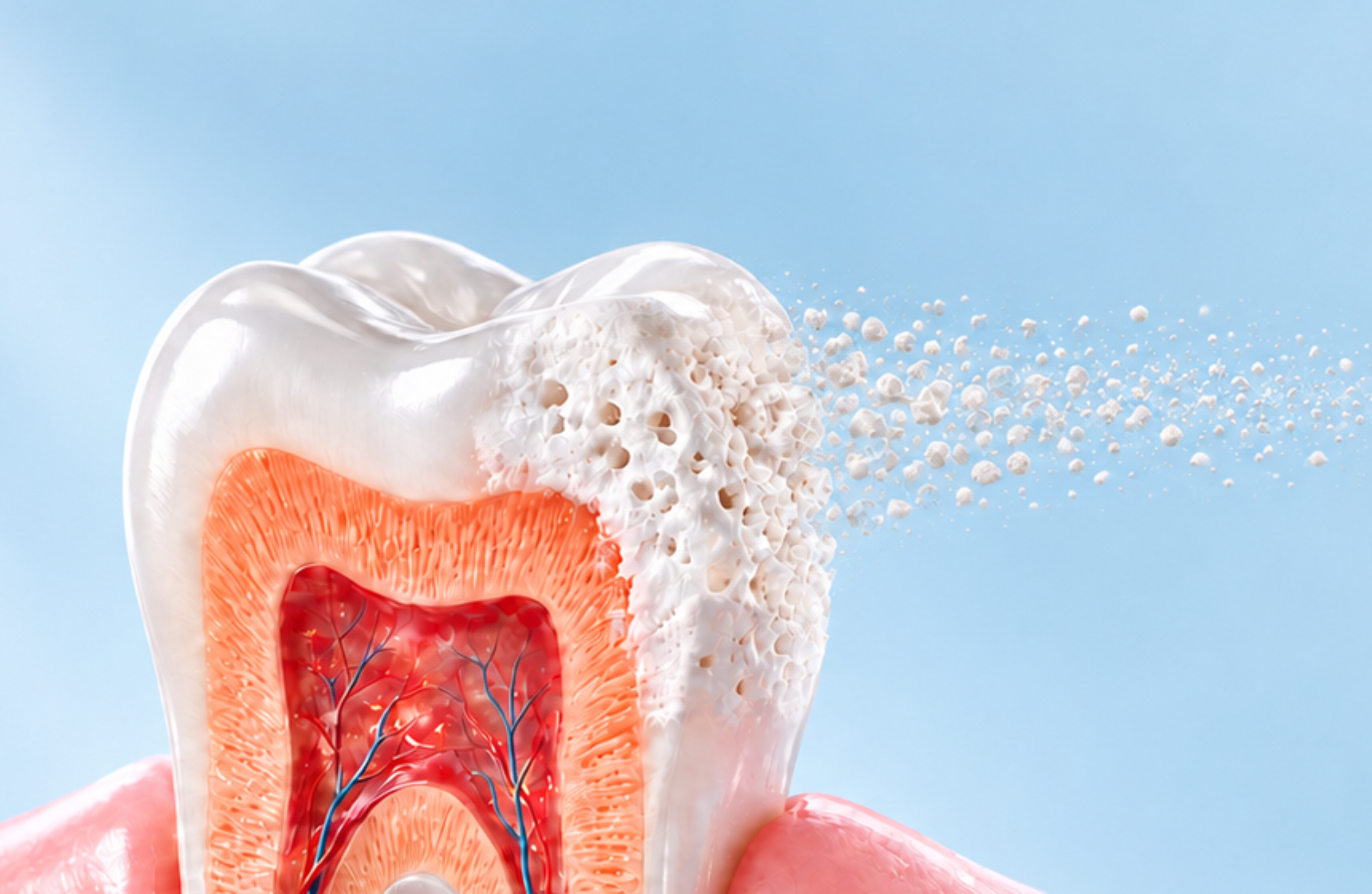
Although teeth have a hard outer structure, enamel and dentin are not completely sealed barriers. During whitening, hydrogen peroxide (HP) can diffuse into the dental tissues and further affect the pulp. In vivo studies have observed that bleaching can induce varying degrees of inflammatory response and related biological changes in the pulp, and this response becomes more pronounced at higher HP concentrations [1].
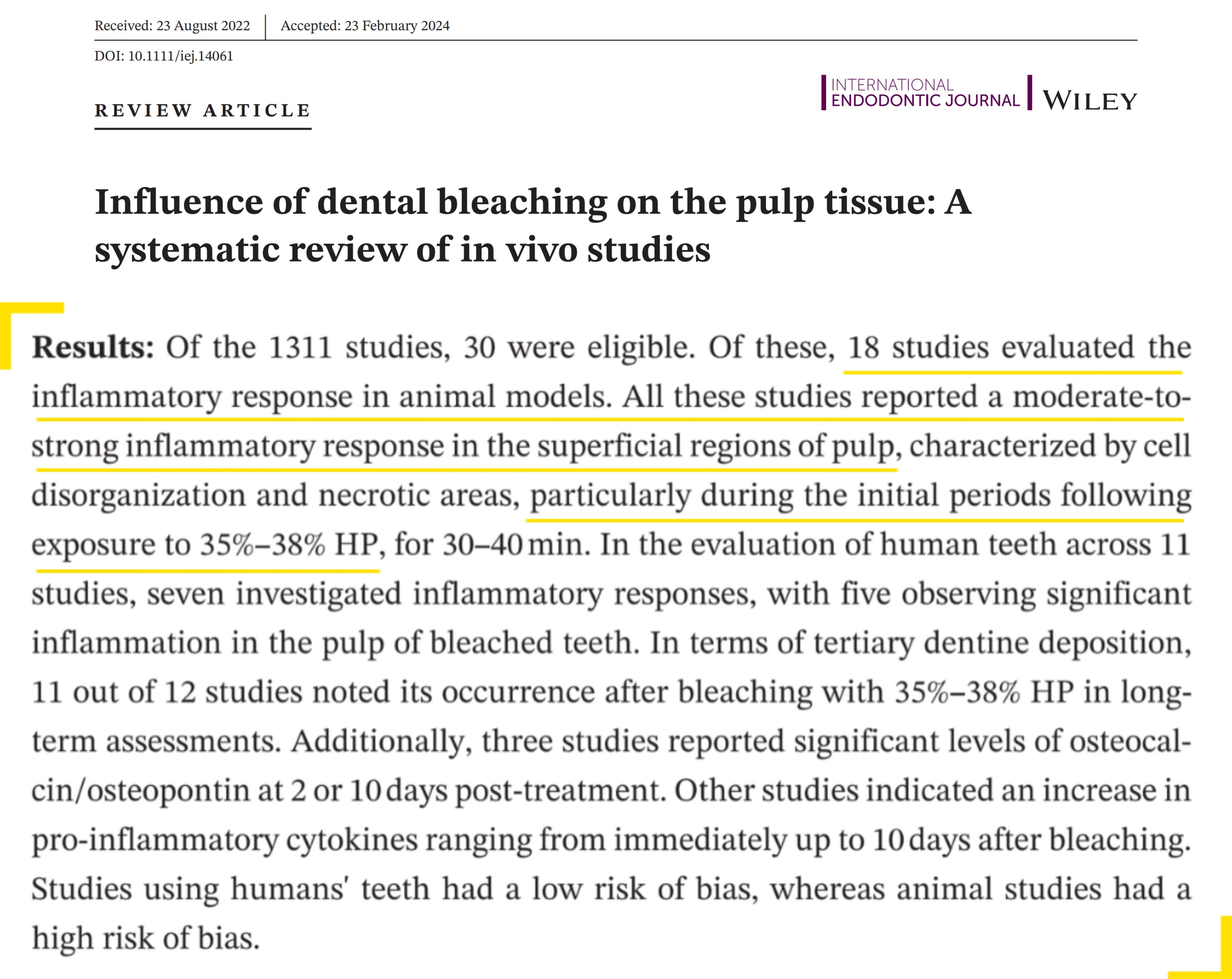
Image source: Donato M, et al. Int Endod J. 2024.
This means that post-whitening soreness, pressure, or stinging is not an isolated sensation, but is linked to the stress response triggered when teeth are stimulated by peroxides [1]. Soreness can be understood as how this response is perceived by the body, and its intensity is influenced by multiple factors — HP concentration, exposure time, and the baseline condition of the teeth.
Of course, brief sensitivity should not be simply equated with serious tooth damage. A more accurate understanding is that soreness reflects the teeth reacting to external stimuli, and the degree of this reaction is shaped by factors such as whitening-agent concentration, exposure time, and the baseline state of the teeth.
Raising HP concentration is a direct way traditional professional whitening achieves reaction efficiency. But when more peroxide participates in the whitening reaction, the teeth's response to that stimulus also needs to be taken into account.
A systematic analysis of 77 related studies shows that HP concentration is an important variable affecting tooth-whitening sensitivity; higher-concentration at-home whitening agents are generally associated with higher sensitivity risk and greater sensitivity intensity [2]. Combined with pulp-tissue research, the clinically common experience of "being more prone to soreness" is not merely an isolated subjective feeling, but echoes the biological responses teeth produce under different peroxide conditions [1].
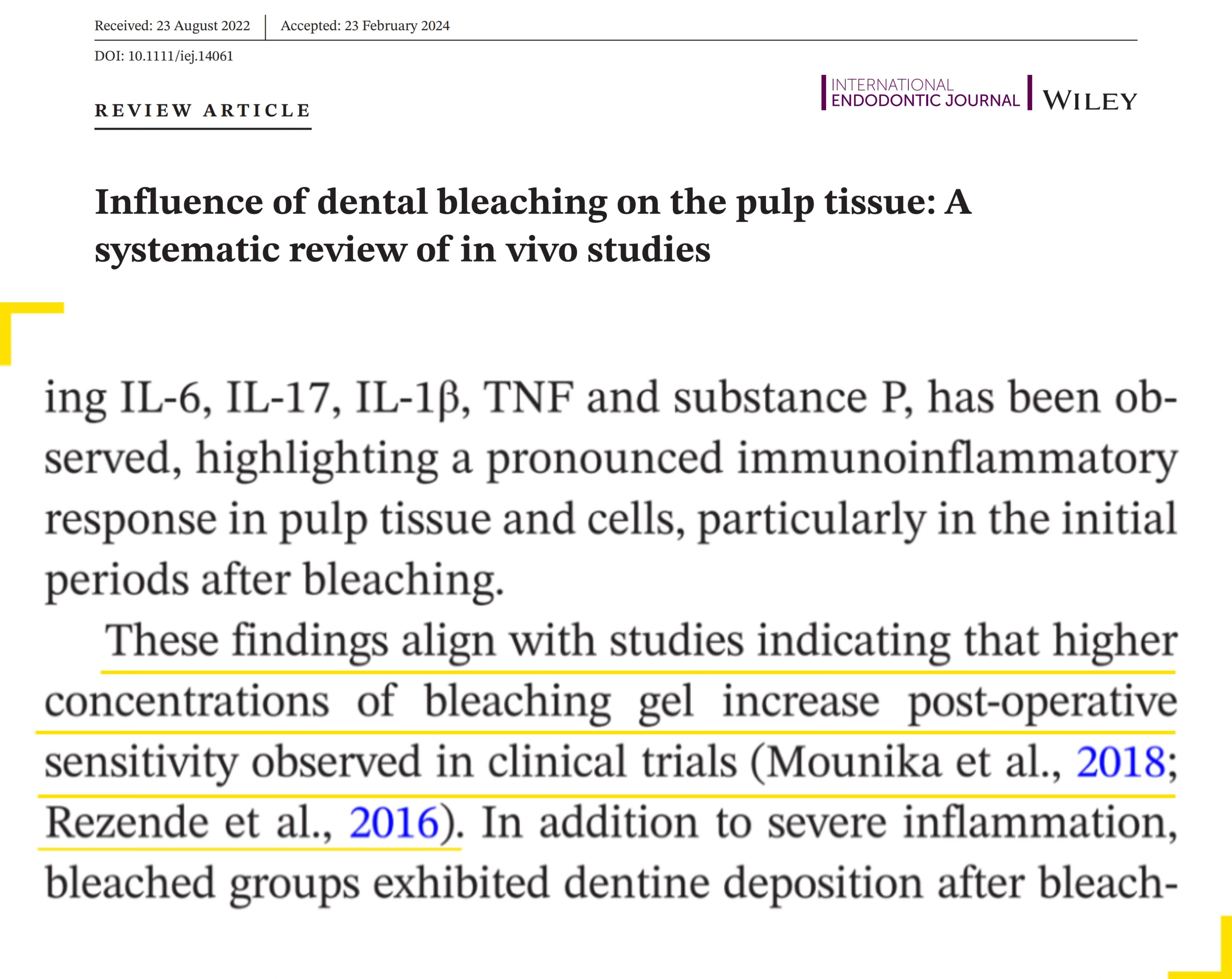
Image source: Donato M, et al. Int Endod J. 2024.
Therefore, professional whitening should not focus solely on stronger oxidizing conditions; it must also strike a reasonable balance among color improvement, reaction efficiency, and the stimulus the teeth receive. Reducing reliance on high-concentration HP has thus become a technological direction worth attention for improving the whitening experience.
But concentration is not the only factor influencing stimulus intensity. Even if HP concentration is lowered, if a noticeable extension of exposure time is required to achieve results, the entire whitening process the teeth go through still needs to be considered.
At-home whitening typically uses relatively low-concentration peroxides and achieves gradual color improvement through longer single-use durations or consecutive daily use. Therefore, simply seeing "low concentration" does not give a complete picture of the stimulus the teeth receive throughout the process.
Systematic research on at-home whitening found that shortening the contact time between the whitening gel and the teeth can significantly reduce tooth-sensitivity events; at the same time, some tooth-color metrics are better supported by the recommended longer use [3]. This shows that concentration and time are not two independent numbers, but jointly important conditions that affect the whitening experience.
Viewed through the lens of the teeth's stress response, this relationship becomes clearer: when evaluating a whitening method, besides looking at HP concentration, one must also consider how long the stimulus lasts. In-office and at-home whitening use different modes of action — the former emphasizes relatively concentrated professional operation, while the latter relies more on sustained action — so gentleness cannot be judged by concentration numbers alone.
What truly matters is the concentration and duration used to achieve tooth-color improvement, and what kind of tooth response those conditions may bring.
The same HP concentration and exposure time do not mean everyone will experience the same degree of sensitivity. The reason is that while the action conditions of the whitening agent are one side of the equation, the teeth's own ability to withstand and respond to stimuli is the other.
In actual professional practice, dentin exposure, gingival recession, and the condition of the dental tissues themselves all need attention before whitening. When there are untreated caries, obvious cracks, enamel defects, or dentin exposure, the relevant issues usually need to be addressed first before considering whitening. For teeth that already show obvious sensitivity, the choice of protocol also requires greater caution.
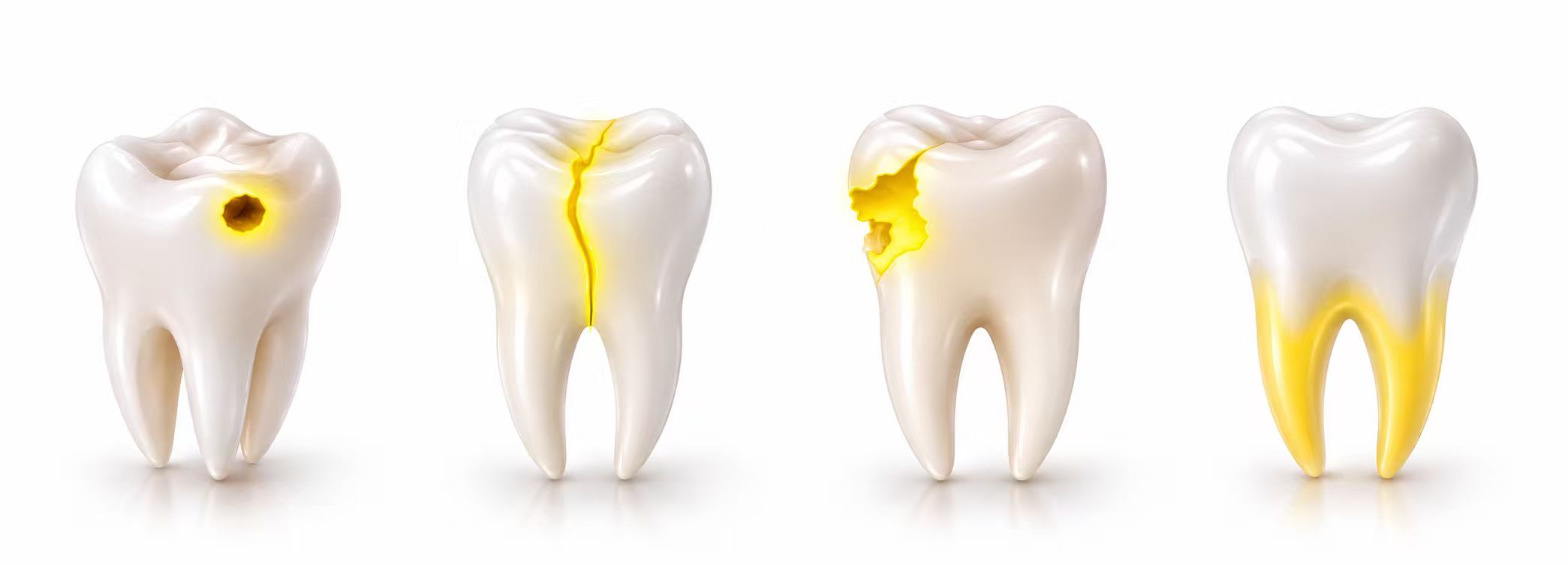
Therefore, post-whitening soreness cannot be simply attributed to a particular product or a particular concentration. It is actually the result of the combined influence of "whitening action conditions" and "individual tooth state." Understanding the baseline tooth condition and ruling out cases temporarily unsuitable for direct whitening is also an important prerequisite for professional whitening to reduce unnecessary stimulation.
Since soreness is related to the stress response triggered when teeth are stimulated by whitening, reducing this sensation naturally becomes an important way for traditional whitening to improve the experience. Potassium nitrate (KNO₃), fluoride, and related desensitizing products are therefore applied in different whitening protocols, and existing research supports that some desensitizing interventions can reduce sensitivity intensity [4].
But a distinction must be made: reducing the sensation of soreness and reducing the stimulus conditions that trigger a strong stress response are not the same level of problem. Take potassium nitrate as an example — its effect is more about lowering the nerves' response to the stimulus, thereby easing the soreness; this improvement does not simultaneously lower the HP concentration in the whitening agent, nor does it shorten the original peroxide exposure time.
In other words, "the teeth don't feel as sore" does not mean the front-end whitening action conditions have also changed. Desensitization can improve comfort during whitening, but the original concentration, exposure time, and stimulus conditions the teeth go through remain. Therefore, reducing soreness should not focus only on how to lower the sensation, but also on how to reduce the action conditions that trigger a strong stress response.
This is not to deny the value of desensitization. Desensitization provides an effective comfort-management approach for teeth whitening, but if one hopes to further optimize the whitening experience, the focus can keep moving forward: reducing reliance on high-concentration or prolonged peroxide action from the whitening system itself.
Desensitization can help ease soreness, but if we look further upstream — before sensitivity even arises — HP concentration and exposure time are also worth reconsidering. Existing research has suggested that higher HP concentration is associated with higher sensitivity risk, and that in at-home whitening, shortening the gel's contact time with teeth can reduce sensitivity events [2][3]. This means improving the whitening experience is not limited to "adding desensitization"; reducing the relevant stimulus factors from the whitening system itself is also meaningful.
But there is a real balance between concentration, time, and whitening effect. Traditional professional whitening can obtain strong reaction conditions through higher-concentration HP; low-concentration at-home whitening often requires longer exposure time or continuous use. If one wishes to lower HP concentration without relying on extended exposure time, the low-concentration whitening system needs higher reaction activity.
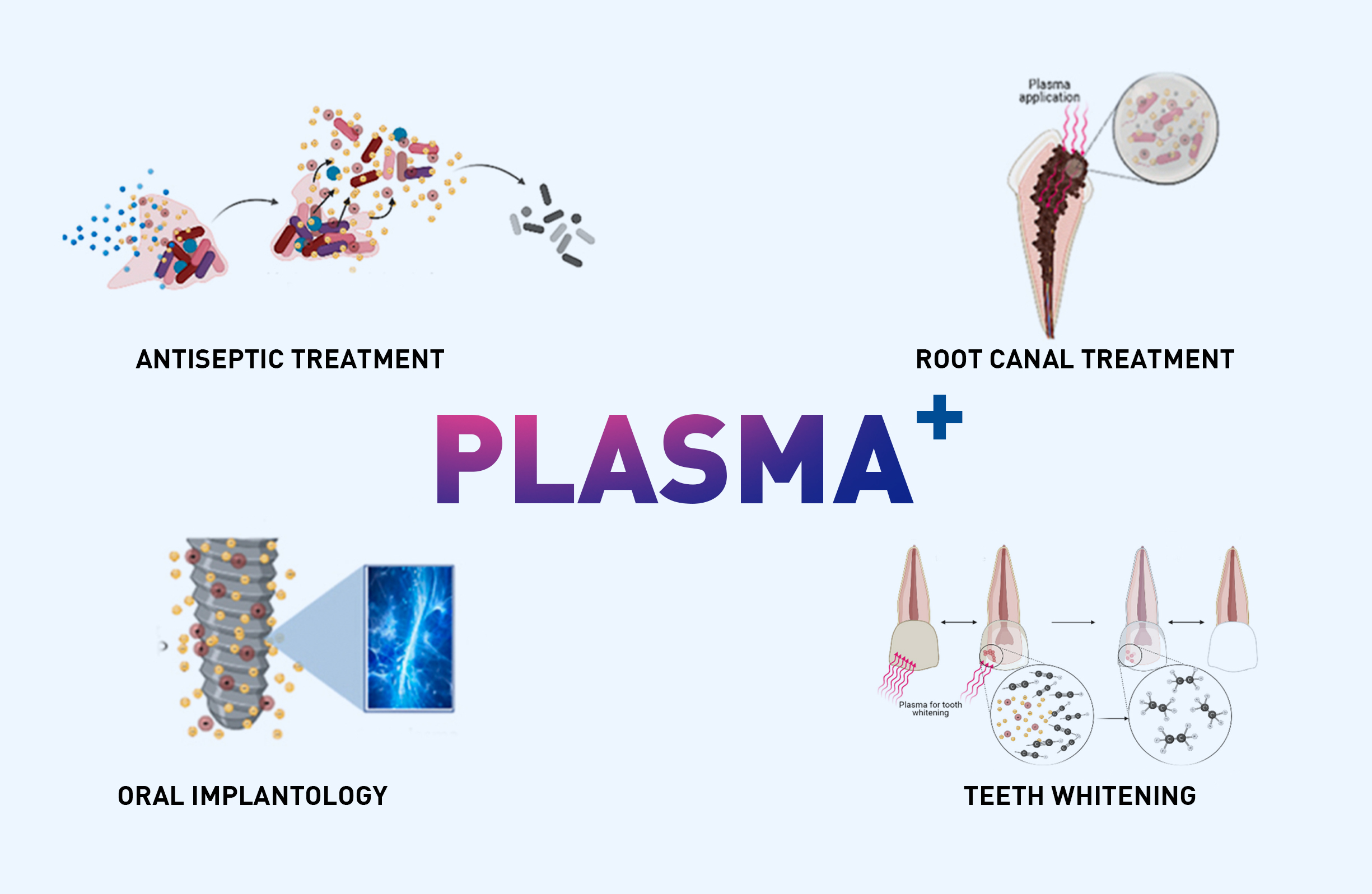
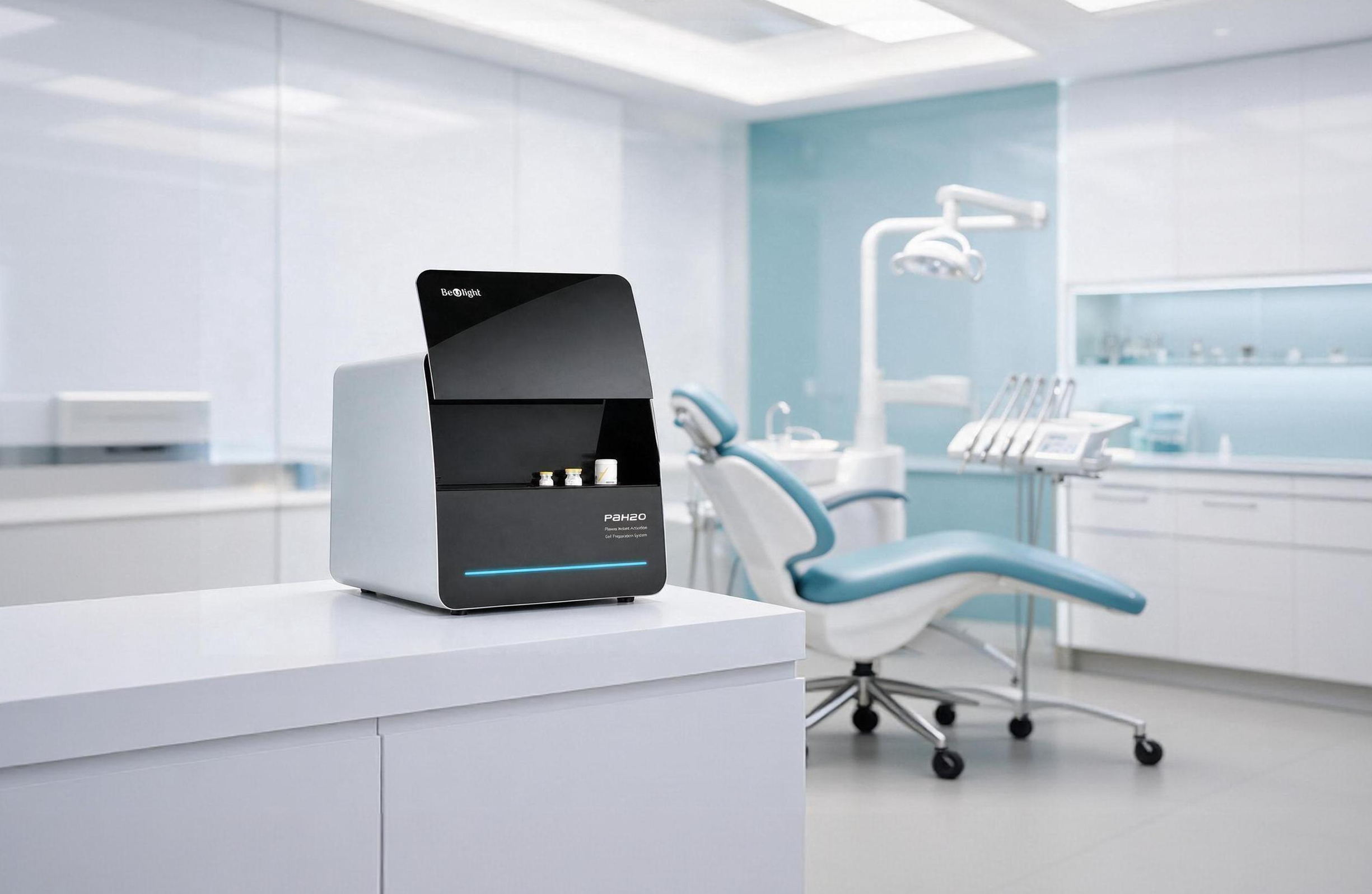
This is also the starting point of BeUlight's Plasma-Activated Technology. BeUlight keeps HP at ≤3%, and uses low-temperature plasma to activate water and hydrogen peroxide on-site, promoting the generation of reactive oxygen species such as hydroxyl radicals (·OH) and building a highly active whitening system. Plasma activation does not raise the HP concentration; rather, it enhances the system's reaction activity on the basis of low concentration.
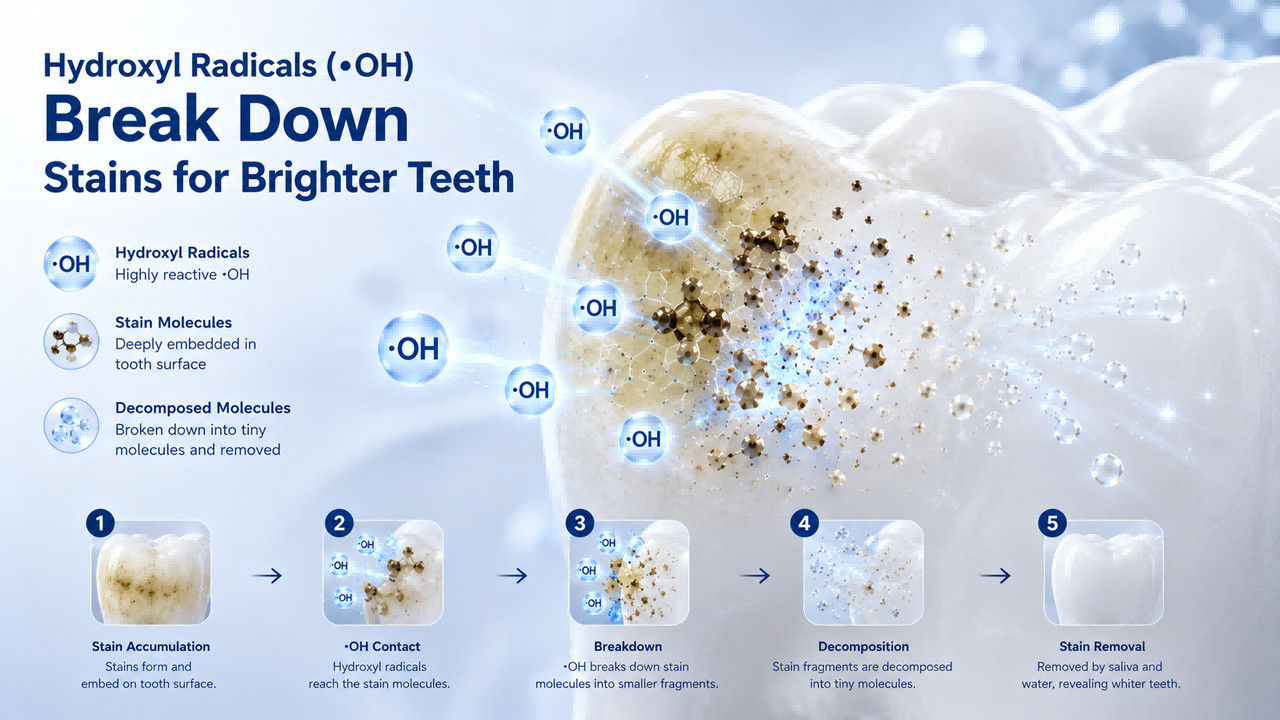
Therefore, ≤3% HP and Plasma Activation are not two independent product features, but a complete technological logic: reduce reliance on high-concentration HP while obtaining sufficient reaction activity through on-site activation, thereby avoiding the sole reliance on raising concentration or extending exposure time to achieve tooth-color improvement.
From this perspective, the comfort experience after teeth whitening depends not only on what desensitizing method is used after soreness appears, but also on what action conditions the whitening process itself adopts. Reducing factors that easily trigger strong stress responses while maintaining effective tooth-color improvement is a direction worth continuous exploration in teeth-whitening technology.
References
[1] Donato M, et al. Influence of dental bleaching on the pulp tissue: A systematic review of in vivo studies. International Endodontic Journal. 2024;57(6):630–654. PMID: 38470103.
[2] Terra RMO, et al. Effect of at-home bleaching agents and concentrations on tooth sensitivity: A systematic review and network meta-analysis. Journal of Dentistry. 2025;160:105891. PMID: 40484311.
[3] Melo PBG, et al. Effect of the reduction in the exposure time to at-home bleaching gel on color change and tooth sensitivity: A systematic review and meta-analysis. Clinical Oral Investigations. 2024;28(12):679. PMID: 39623180.
[4] Messova AM, et al. Interventions for Bleaching-Induced Tooth Sensitivity: An Umbrella Review. Frontiers in Oral Health. 2026.