During a professional teeth cleaning, patients often ask a familiar question: “Will cleaning make my teeth whiter?”
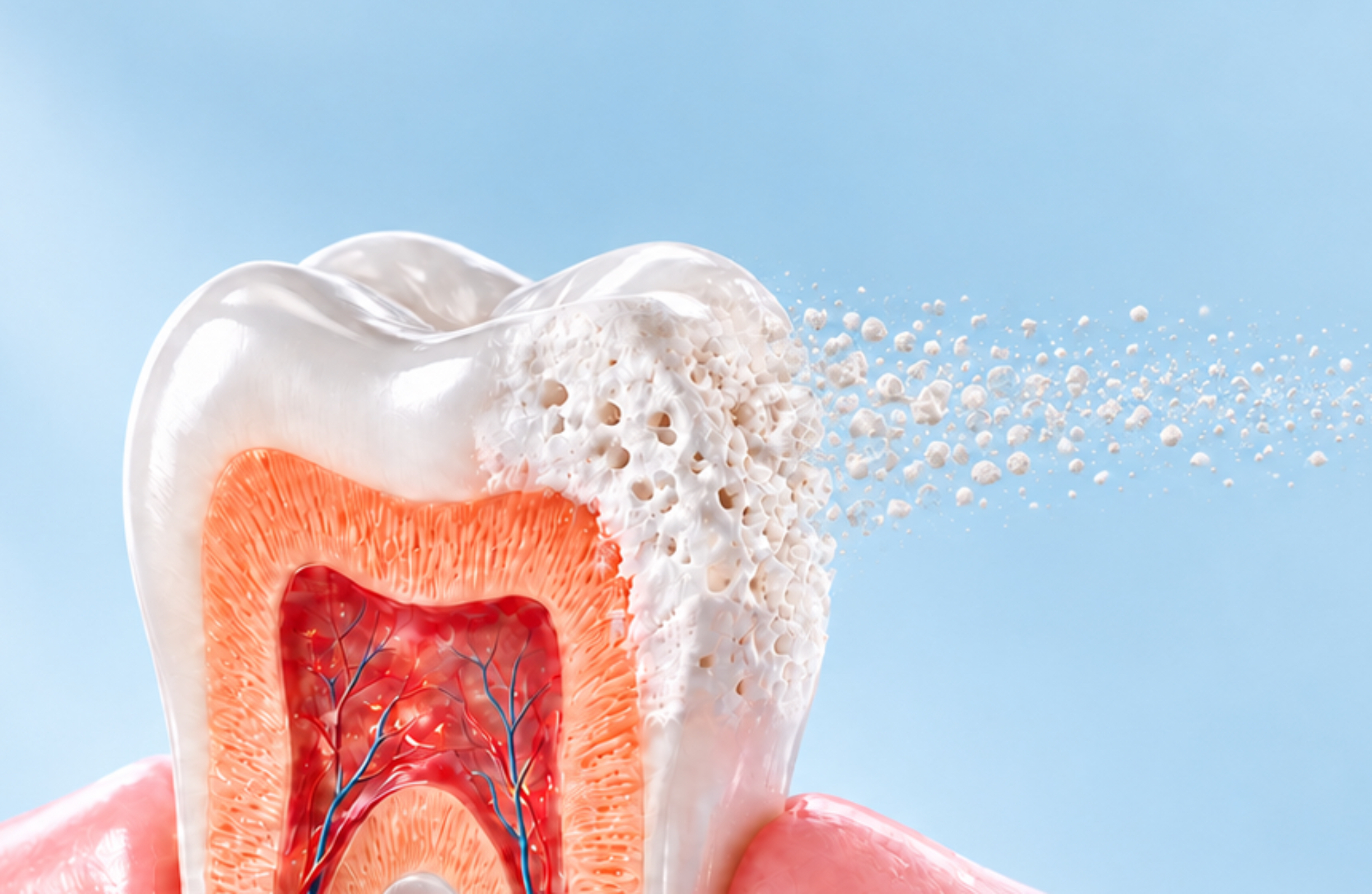
This question reflects two different needs. Professional cleaning primarily removes plaque, calculus, and surface deposits, while teeth whitening is intended to improve the intrinsic color of natural teeth.
For dental practices, questions like this can reveal an aesthetic concern that might otherwise go unnoticed. While practices continue to invest in attracting new patients, there is equal value in recognizing and appropriately addressing the needs of patients who are already receiving care.
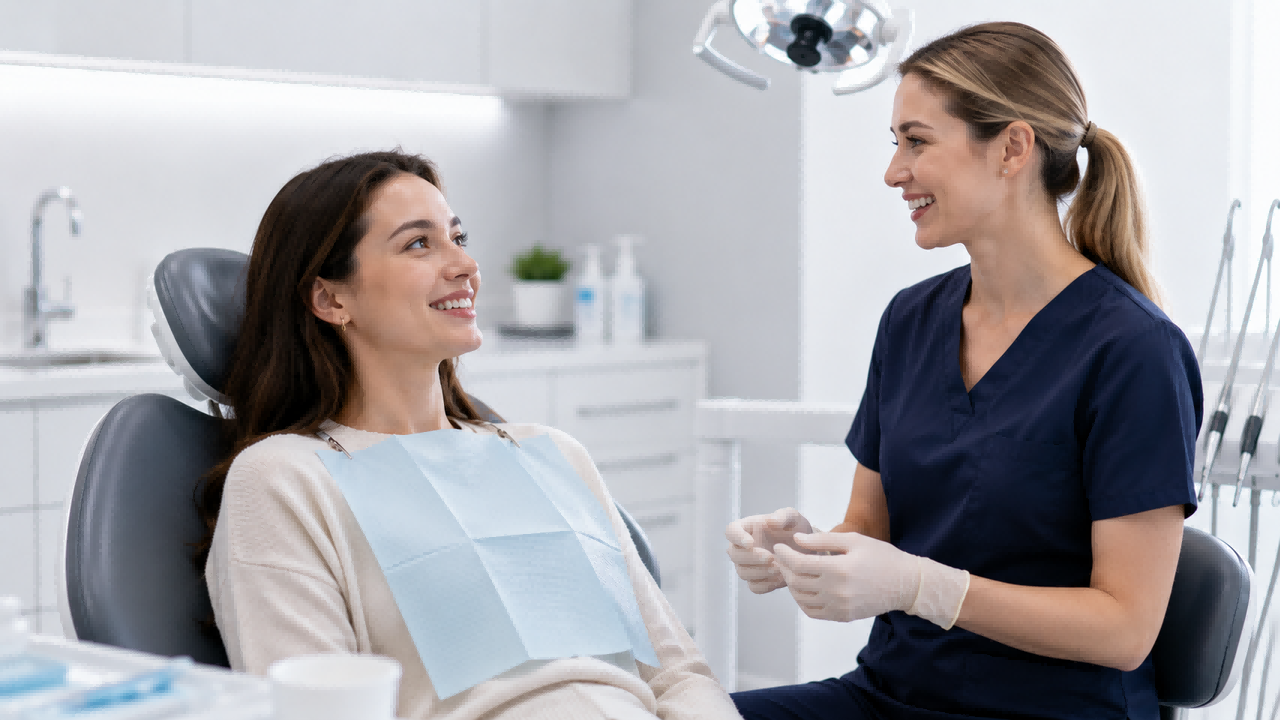
A professional cleaning is one of the occasions when patients tend to look more closely at their teeth. As plaque, calculus, and surface deposits are removed, the natural tooth color becomes easier to see.
This is often when questions arise: “Why do my teeth still look a little yellow after cleaning?” or “Can cleaning actually make my teeth whiter?”
These questions should not automatically lead to a whitening recommendation. They simply show that the patient has started paying attention to tooth color. For the dental team, this creates a natural opportunity to explain the difference between cleaning and whitening, understand whether the patient has an aesthetic concern, and provide professional guidance when appropriate.
Many dental practices focus heavily on acquiring new patients through advertising, promotions, and other outreach. Yet patients who already visit the practice may have needs that become apparent only during care.
Patients attending regular cleanings have already established contact with the practice, show awareness of their oral health, and are actively observing changes in their teeth. This makes the cleaning appointment a natural setting for conversations about tooth color and dental aesthetics.
Instead of looking only at the number of cleaning appointments, practices can also consider whether patients’ genuine aesthetic concerns are being recognized and appropriately addressed. Growth can come from attracting new patients, but also from making each existing patient visit more complete.
Recognizing an aesthetic concern is only the beginning. A smooth transition from cleaning to whitening depends on four areas: identification, communication, service delivery, and review.

1.Identification: Recognize genuine interest
There is no need to wait until a patient asks, “How much does whitening cost?” A patient who pays particular attention to tooth color after cleaning or asks why the teeth still appear yellow may already be showing an interest in shade improvement.
The conversation can begin objectively: “Now that the calculus and surface deposits have been removed, what you are seeing is closer to your natural tooth color. If the color is something you would like to improve, we can discuss professional whitening options.”
The purpose is to understand whether the patient actually wants a change, rather than immediately recommending treatment.
2.Communication: Explain the difference between cleaning and whitening
“Why aren’t my teeth whiter after cleaning?” reflects a common misunderstanding.
Professional cleaning removes plaque, calculus, and surface deposits. Teeth whitening addresses the color of the natural tooth itself. Explaining this distinction helps patients understand why cleaning and whitening serve different purposes, even though both may influence how the smile looks.
3.Service Delivery: Make the next step simple
Once a patient expresses an interest in whitening, an unnecessarily complicated process can become a barrier. Repeating the consultation, making another appointment, and returning on a different day all add extra steps.
A clear pathway from identifying the concern to discussing suitable options and providing care makes the experience easier for both the patient and the dental team. Where appropriate, keeping a record of the patient’s tooth color and aesthetic concerns can also support future care.
4.Review: Understand what is happening in practice
Practices can review a few simple indicators, such as the number of cleaning visits, patients who express an interest in shade improvement, those who proceed to a professional assessment, and those who ultimately receive whitening treatment.
The purpose is not to turn every cleaning patient into a whitening patient. It is to understand whether genuine needs are being recognized and whether the practice has an effective way to respond to them.
When a patient expresses an interest in improving tooth color immediately after cleaning, the practical question becomes whether whitening can fit smoothly into the existing visit.
If whitening requires a separate appointment, additional preparation, or a complicated pre- and post-treatment process, the patient has to make another decision and return to the practice again. For this reason, practices may want to consider more than whitening efficacy alone. Patient comfort, treatment time, workflow, and compatibility with other chairside services also matter.
When clinically appropriate, a whitening system that can follow professional cleaning within the same visit can create a more convenient and coherent experience for the patient.
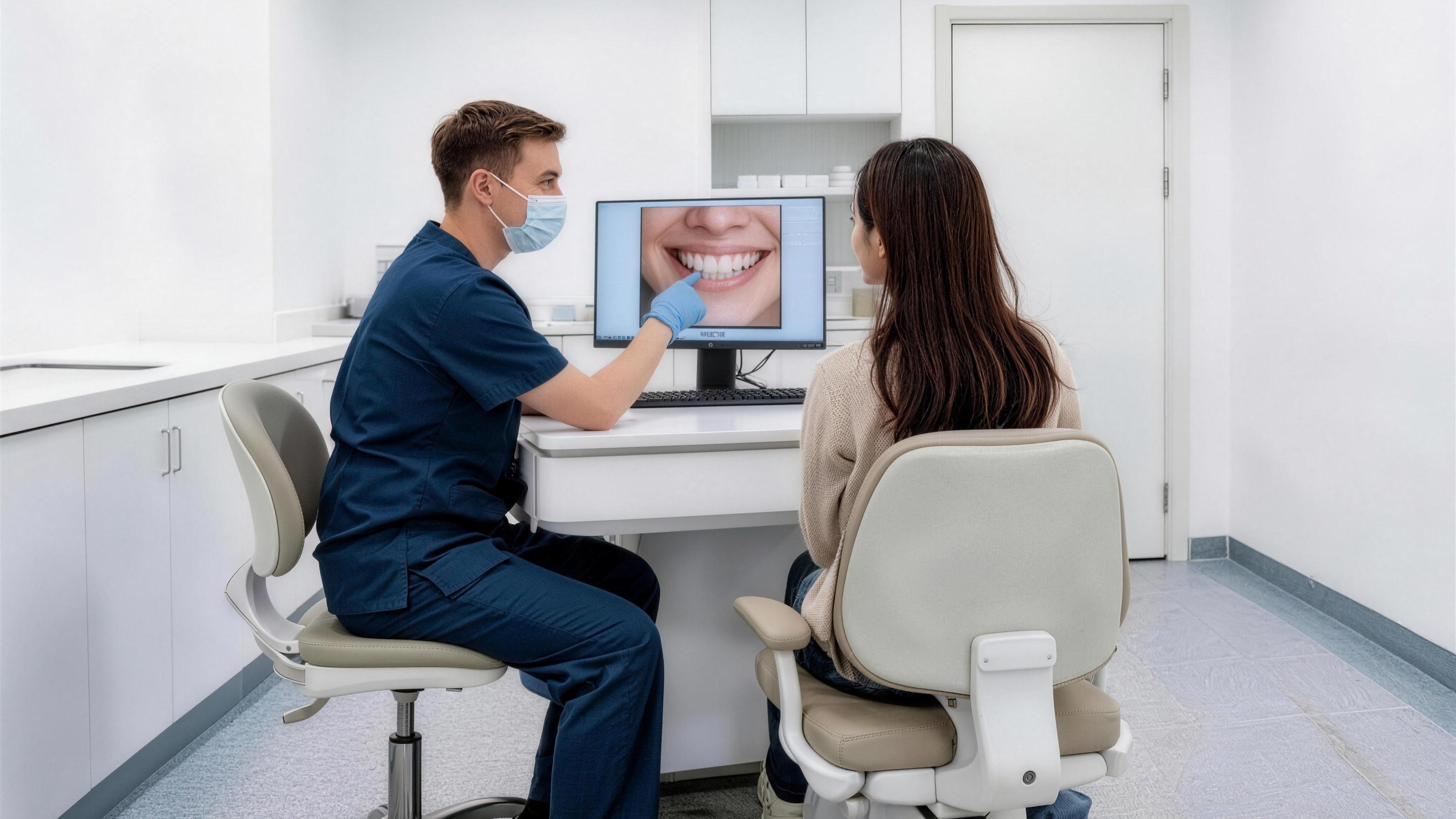
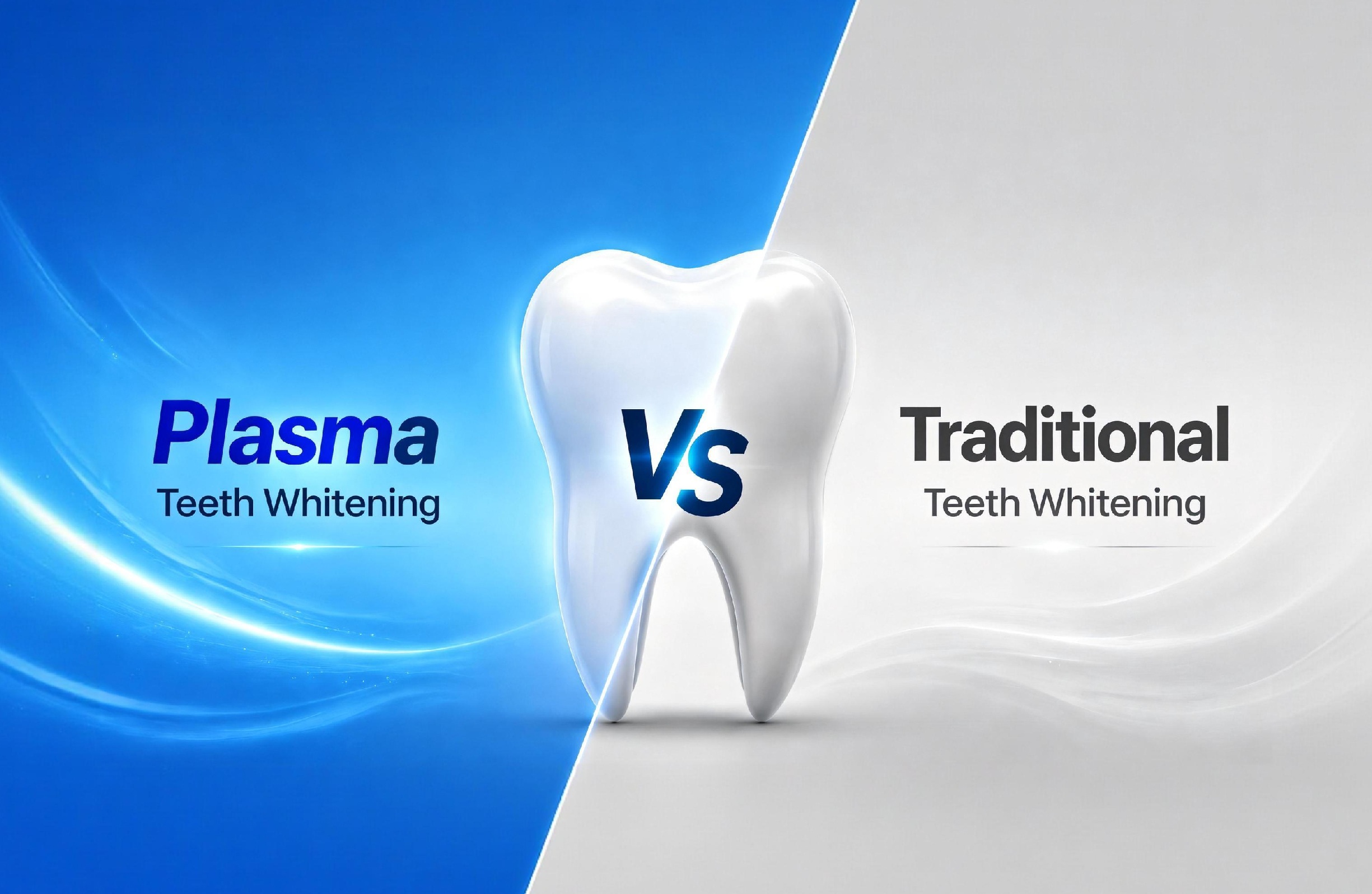
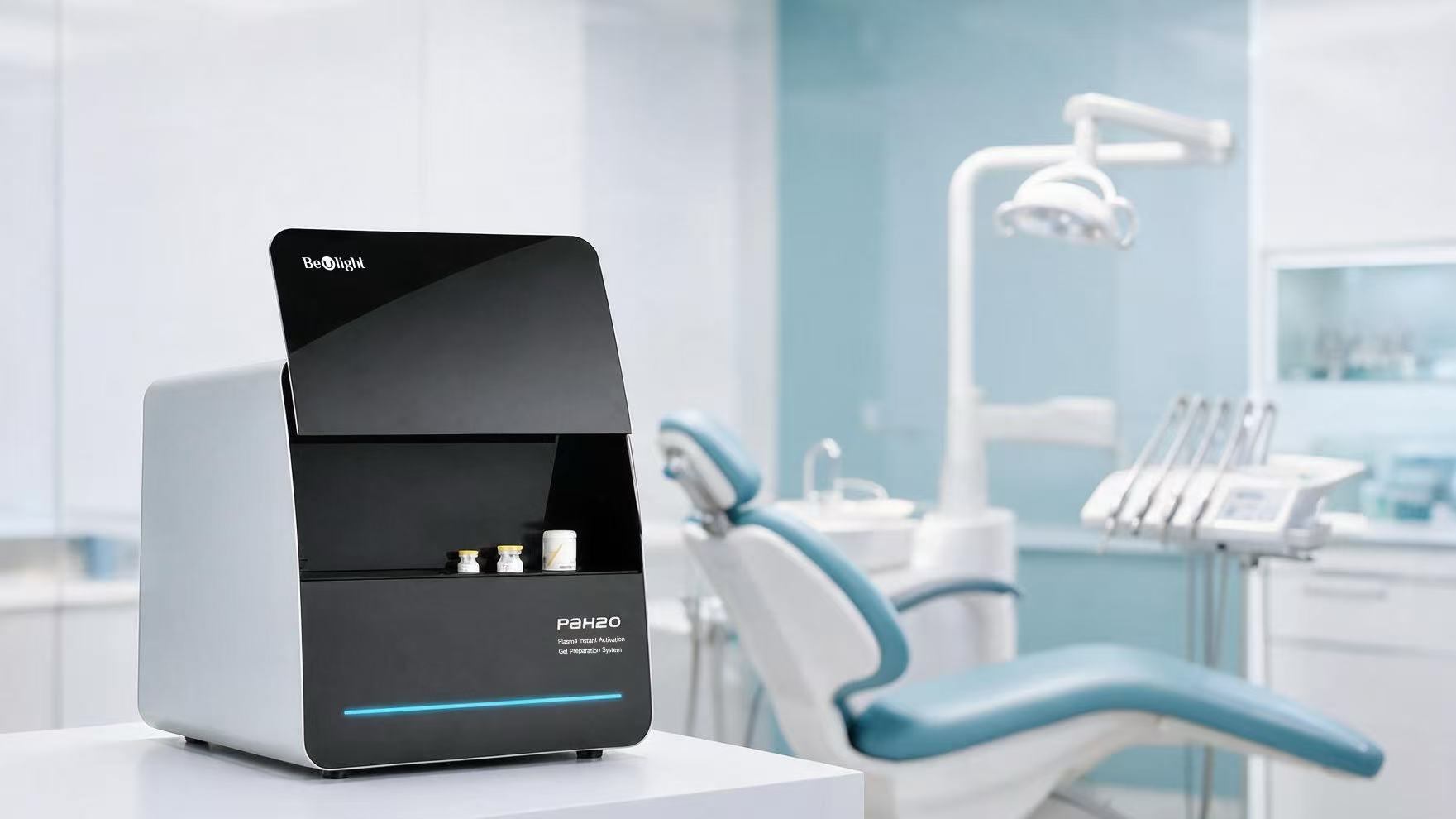
Plasma Teeth Whitening offers a different technical approach for patients who wish to improve tooth color after cleaning.
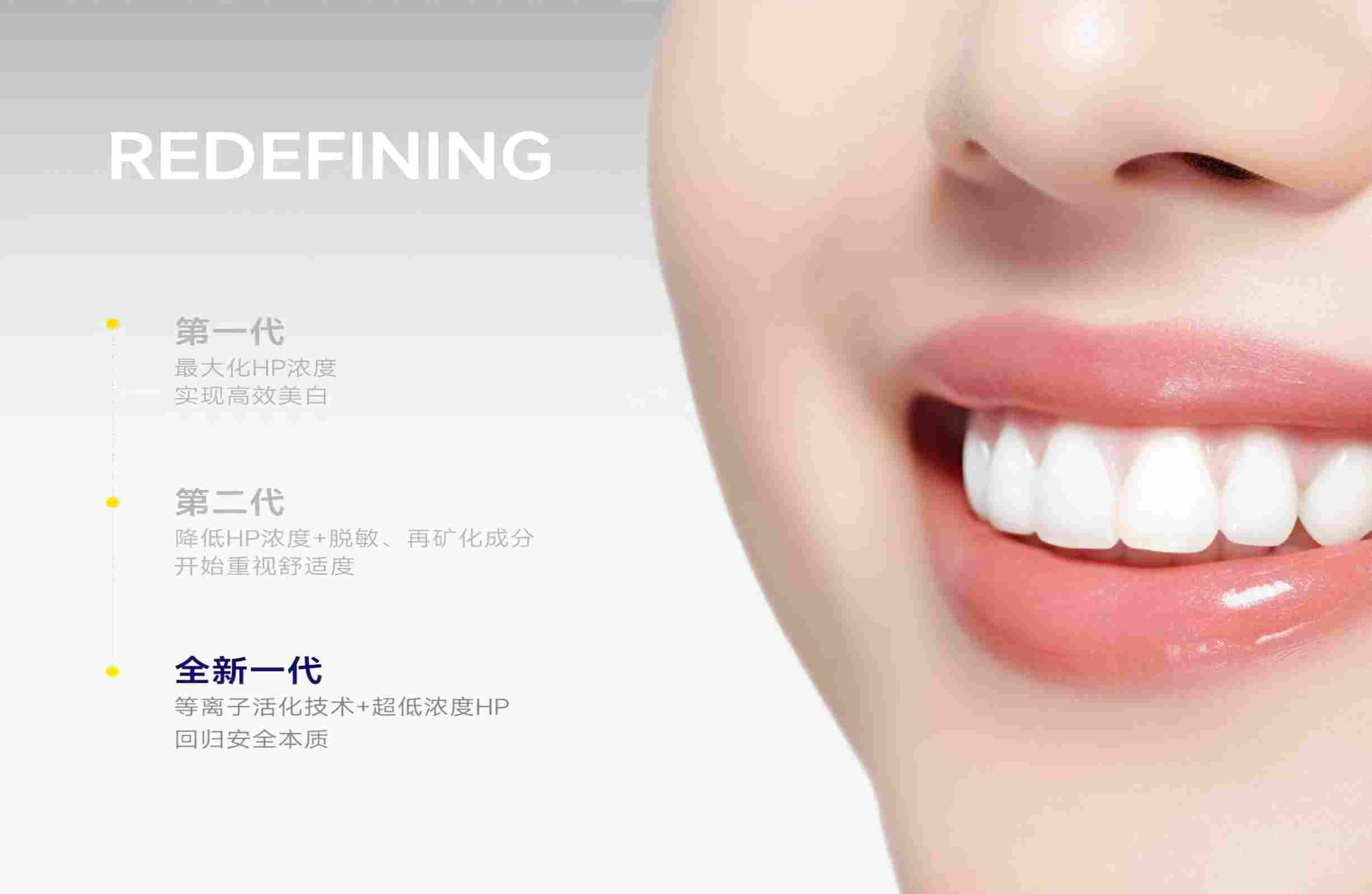
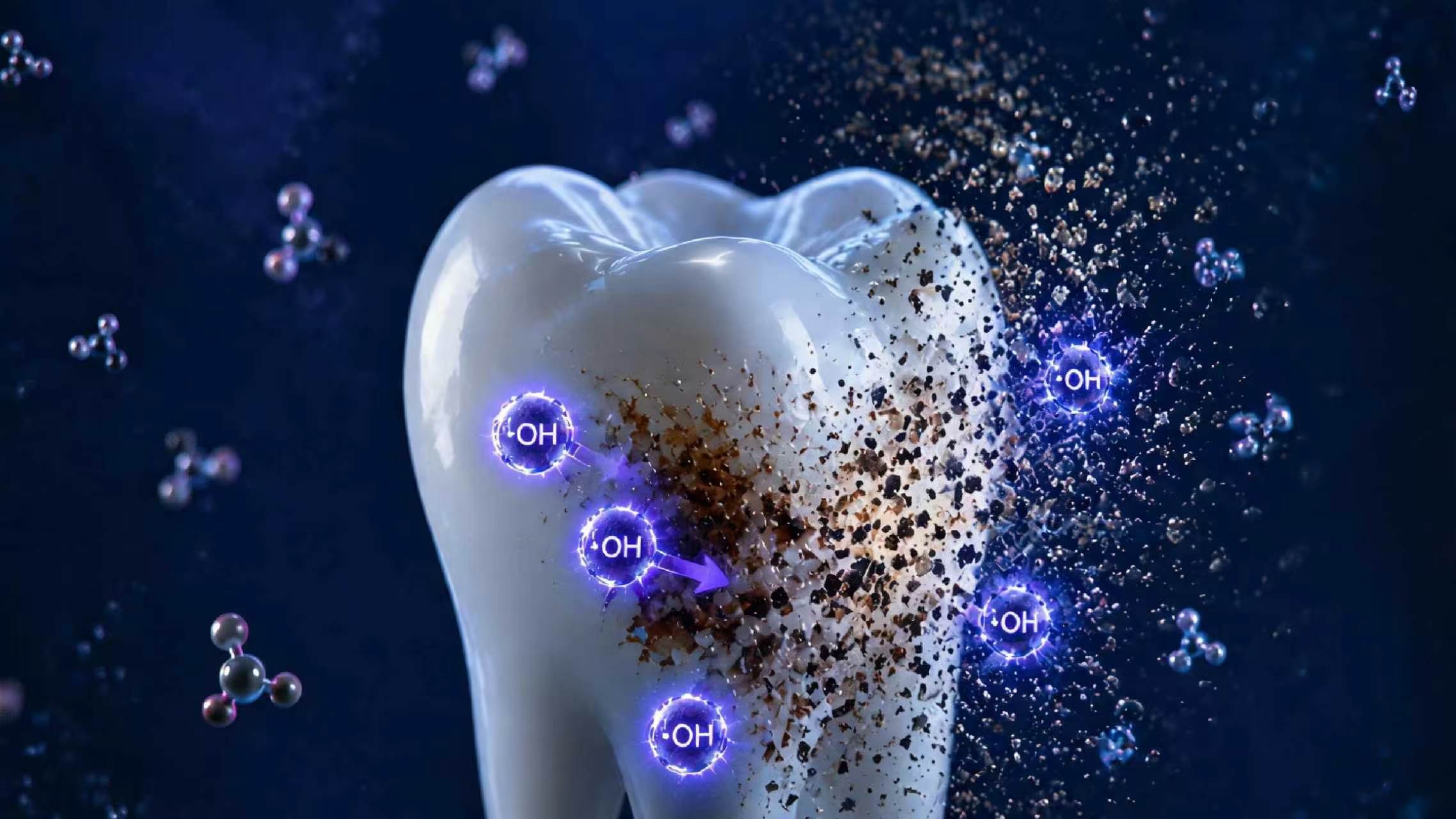
The BeUlight Plasma-Activated Teeth Whitening System uses a “low concentration, high activity” approach. Low-temperature plasma activates a ≤3% hydrogen peroxide (HP) system, increasing its reactive activity and reducing reliance on high-concentration peroxide for whitening efficiency.
This technical approach also has practical implications for chairside care. When professionally indicated, BeUlight Plasma Teeth Whitening can follow professional cleaning as part of a continuous visit, allowing the patient to move from oral cleaning to tooth color improvement without arranging a separate appointment.
For patients, this can mean fewer appointments and less time spent returning to the practice. For dental practices, cleaning and whitening can work as complementary services addressing oral hygiene and dental aesthetics within a more integrated workflow.
This does not mean that every patient should receive whitening after a cleaning. The value lies in having an appropriate option available when a genuine desire for tooth color improvement has already emerged.
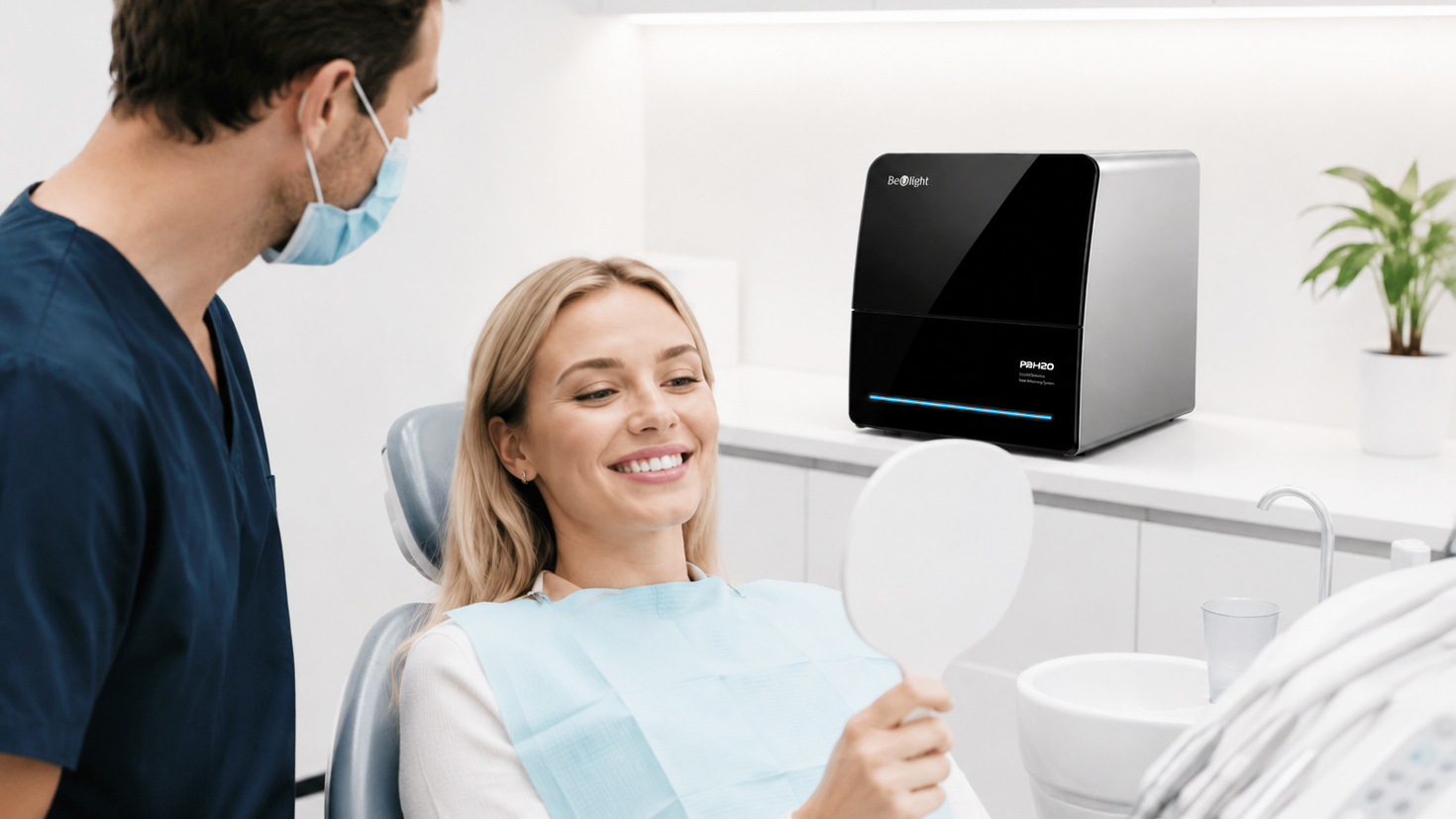
Serving patients after a cleaning is not about adding another treatment to every appointment. For a patient with no interest in whitening, a high-quality professional cleaning may be all that is needed. When a patient begins to express concerns about tooth color, the practice can provide further guidance and, where appropriate, discuss professional whitening options.
BeUlight is bringing Plasma Teeth Whitening into a broader range of dental care scenarios. “Professional Cleaning + Teeth Whitening” is one example: connecting oral hygiene and tooth color improvement in a way that can fit naturally into everyday dental practice.
For dental practices, growth does not always require more appointments from more new patients. Sometimes, it begins with responding more completely to the needs that are already present in the appointments taking place today.