In the field of teeth whitening, hydrogen peroxide (HP) is a commonly used foundational whitening agent — but it is not the core ingredient responsible for the whitening effect. In fact, whether in traditional high-concentration teeth whitening or the more recently explored plasma teeth whitening, it is not hydrogen peroxide itself that participates in pigment breakdown. Rather, it is the Reactive Oxygen Species (ROS) generated during its reaction process that do the real work. In a meaningful sense, hydrogen peroxide serves merely as the "raw material," while reactive oxygen is the decisive factor in achieving effective teeth whitening.
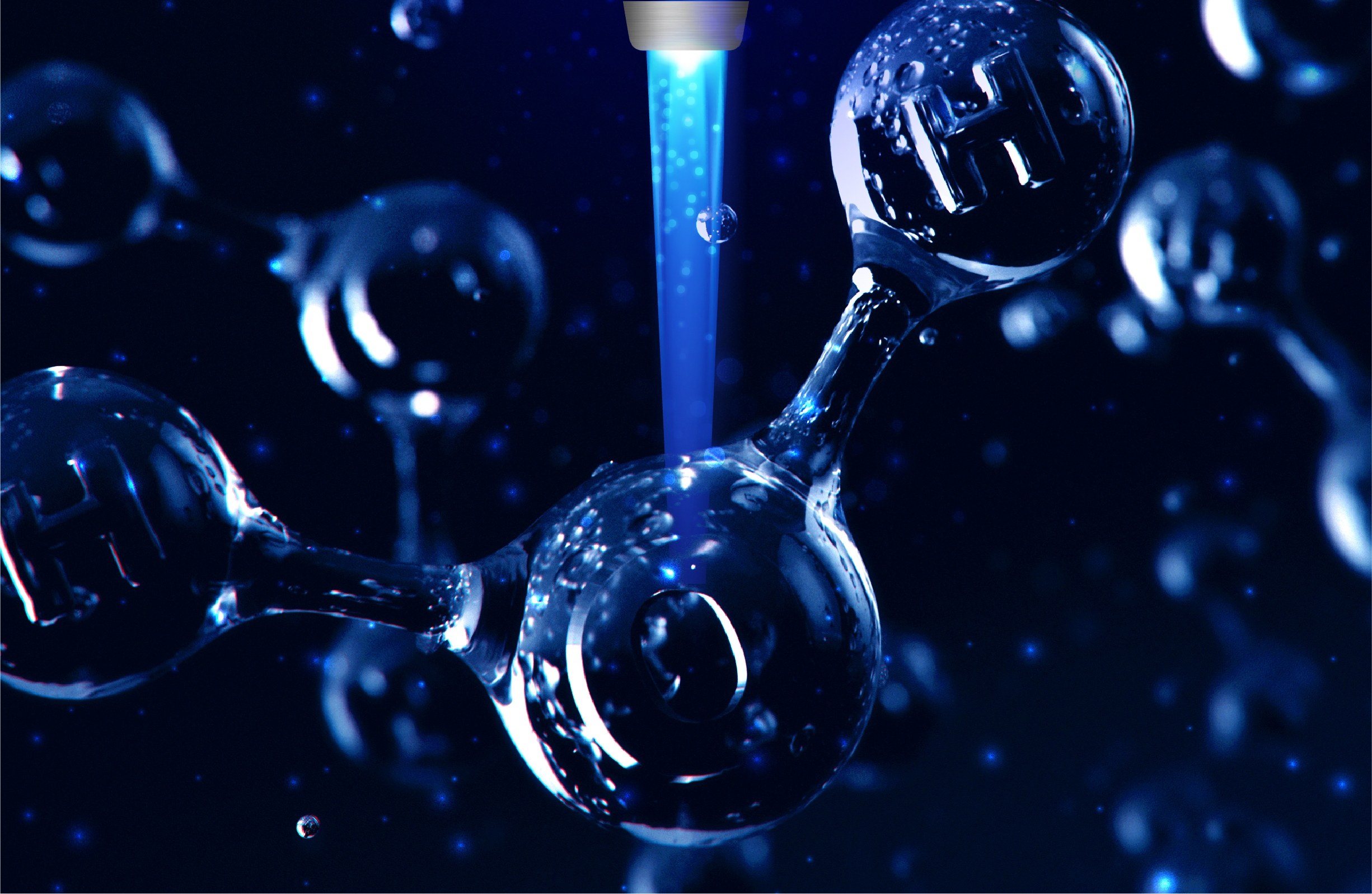
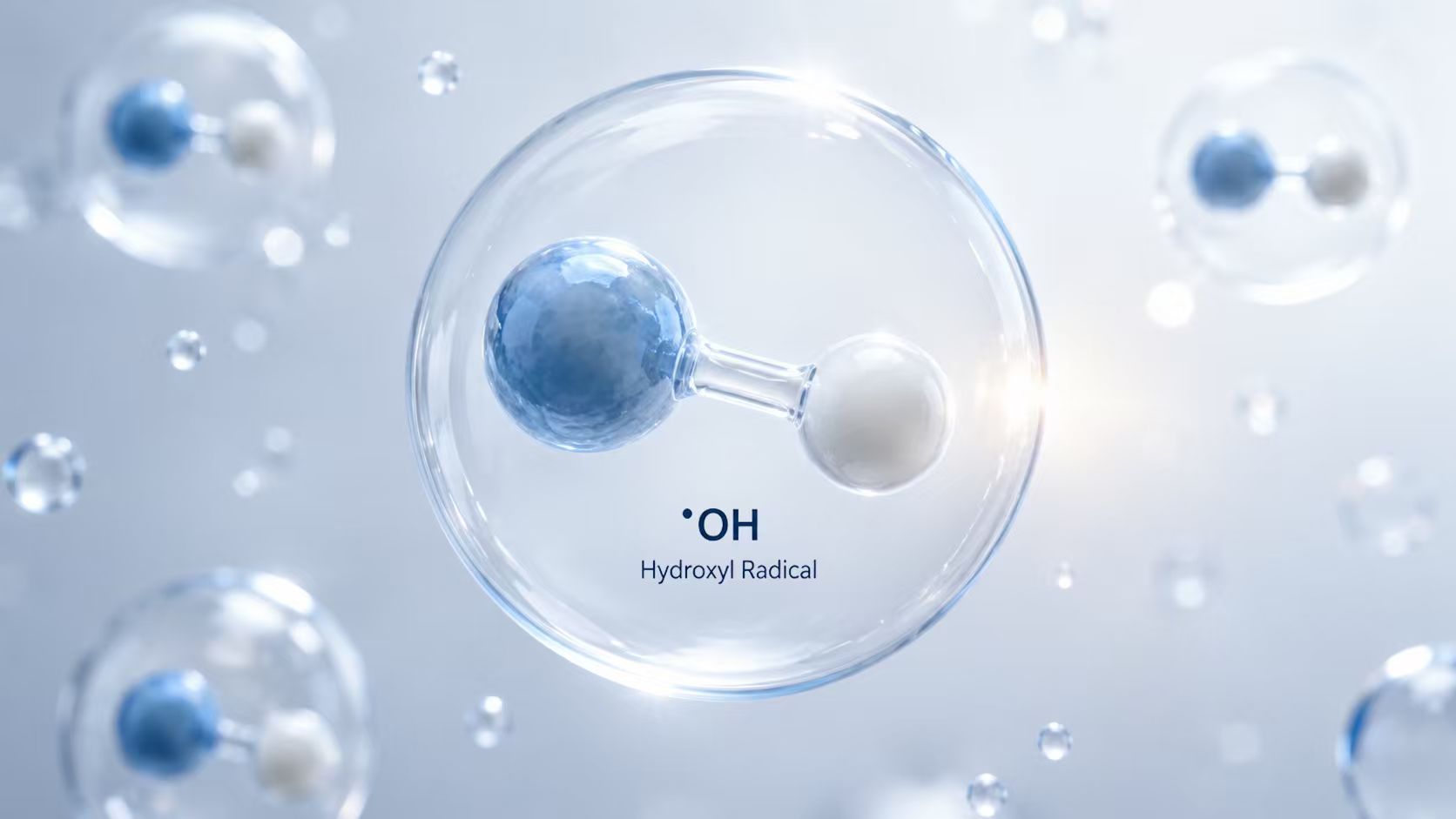
Reactive Oxygen Species (ROS) are a class of highly chemically active oxygen-containing molecular species. They primarily include the hydroxyl radical (·OH), the superoxide anion (O₂⁻), and other components, collectively exhibiting exceptionally strong oxidative reactivity. These species can rapidly undergo chemical reactions with organic molecules, altering their chemical structure. During the teeth whitening process, the hydroxyl radical is the key member within the ROS family that truly drives the oxidation, degradation, and decolorization of tooth pigments. Compared to other reactive oxygen species, the hydroxyl radical offers superior oxidizing power and pigment-decomposition capability, enabling precise and efficient disruption of the stable molecular structures of tooth pigments. It is the core mediator for achieving safe tooth brightening and optimal color refinement.
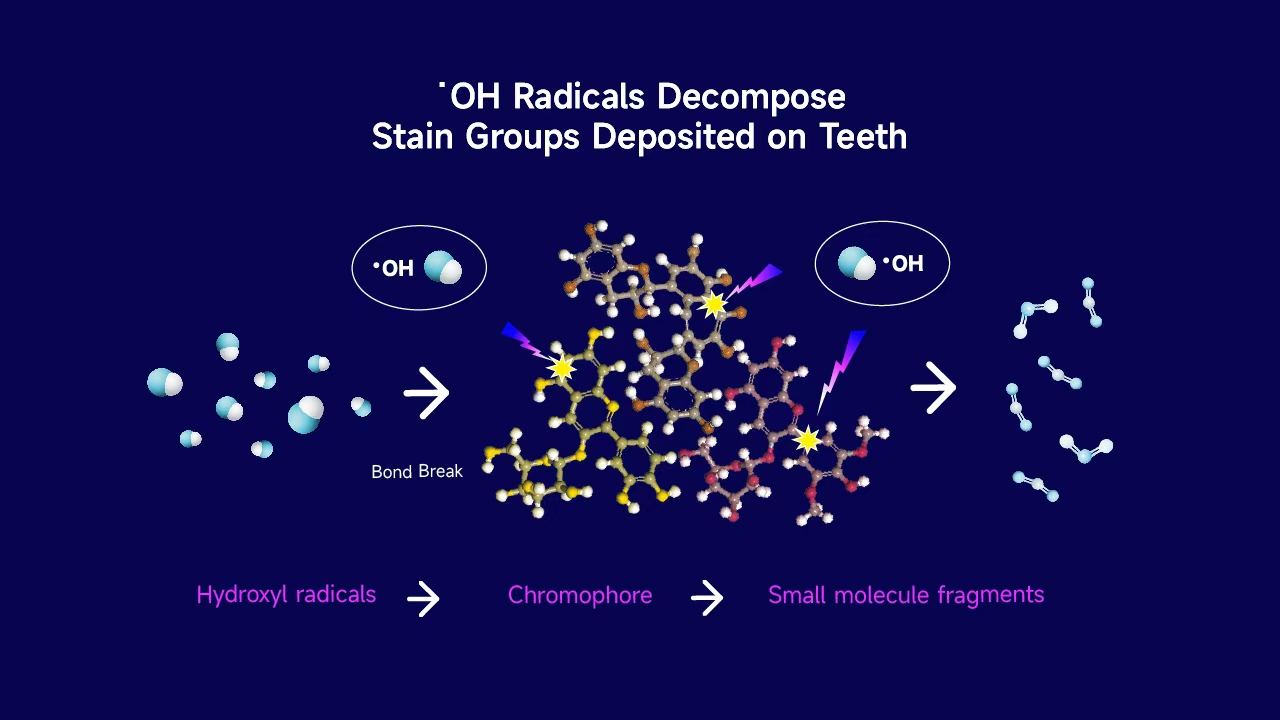
The yellowing or darkening of teeth is closely linked to pigment deposition within the teeth. These pigments typically contain special structures capable of absorbing visible light, known as chromophores. Extrinsic pigments from coffee, tea, red wine, and tobacco — along with intrinsic pigments that form naturally with age — can gradually accumulate on the tooth surface or within the tooth body, causing teeth to darken over time. To achieve teeth whitening, the essential goal is to break down the chromophore structures within these pigment molecules.
The whitening process is essentially a "targeted oxidation" reaction driven by reactive oxygen, in which the hydroxyl radical plays the central role. Reactive oxygen acts on pigment chromophores, cleaving the conjugated double-bond systems within the molecules. Large, dark-colored pigment molecules are oxidatively broken down into small, colorless molecules. These oxidized byproducts can then be naturally eliminated through saliva metabolism and routine oral hygiene, resulting in a visibly brighter smile. It is clear, then, that whitening efficiency does not depend on hydrogen peroxide concentration. The core determinant is the generation rate of effective reactive oxygen (hydroxyl radicals) per unit of time.
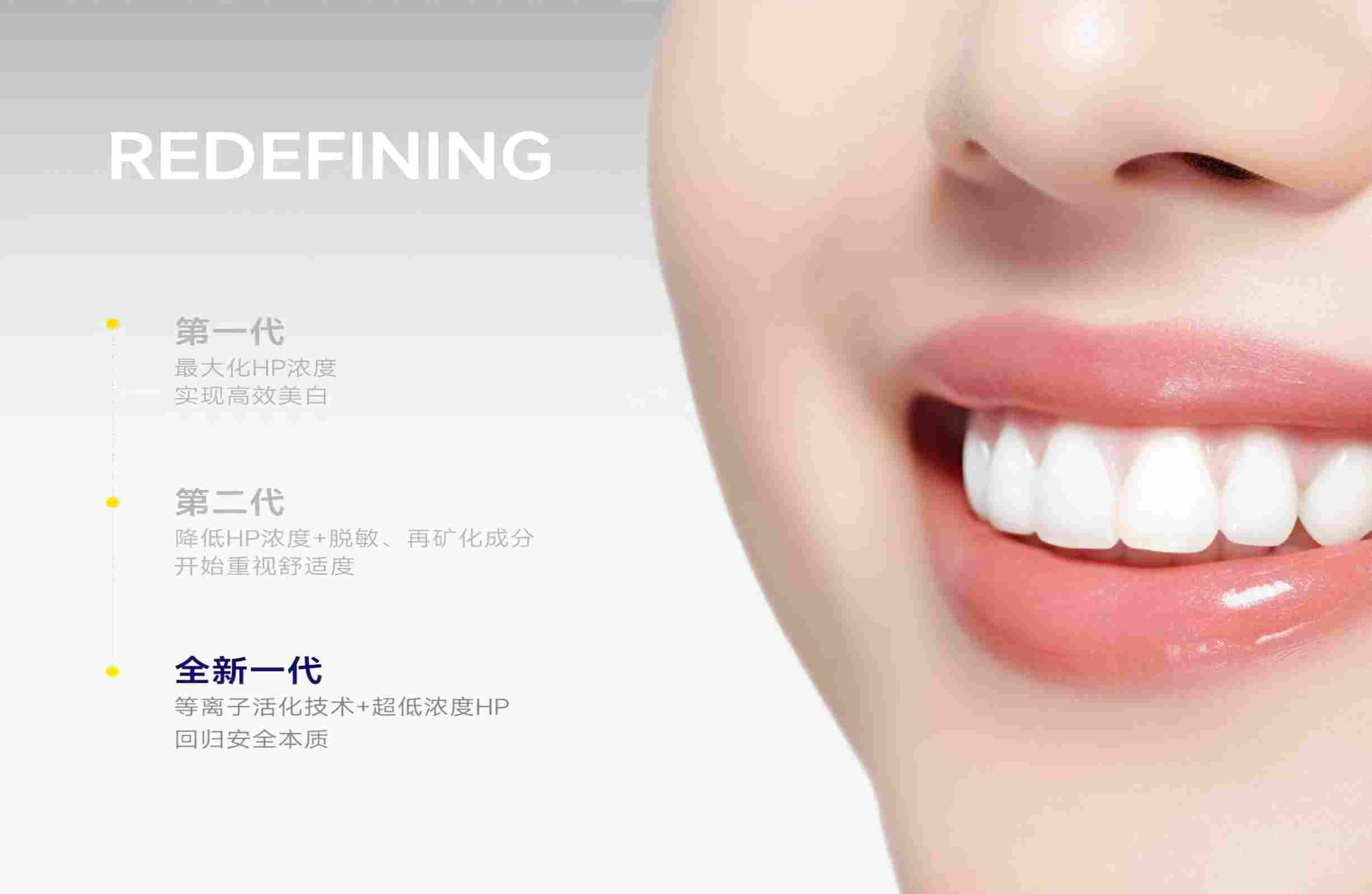
Reactive oxygen is the core mediator for breaking down tooth pigments. However, traditional whitening relies solely on the natural generation of reactive oxygen from hydrogen peroxide — a reaction that proceeds slowly and produces reactive oxygen at a low density per unit of time. To achieve the desired whitening effect, clinical practice commonly employs 15%–40% high-concentration hydrogen peroxide, using elevated concentration to compensate for the shortfall in reactive oxygen generation efficiency. While high-concentration systems can boost reaction efficiency, they also significantly increase the risk of oxidative irritation to the teeth and surrounding gingival soft tissues, readily leading to issues such as dentin sensitivity and gingival burns. As a result, whitening procedures must be accompanied by protective measures including gingival isolation and protection, post-treatment desensitization, and tooth remineralization. In short, traditional whitening uses high-concentration formulations not because high concentration directly produces whitening, but as a compensatory compromise to offset the low reactive oxygen generation efficiency inherent in the traditional whitening reaction mechanism.
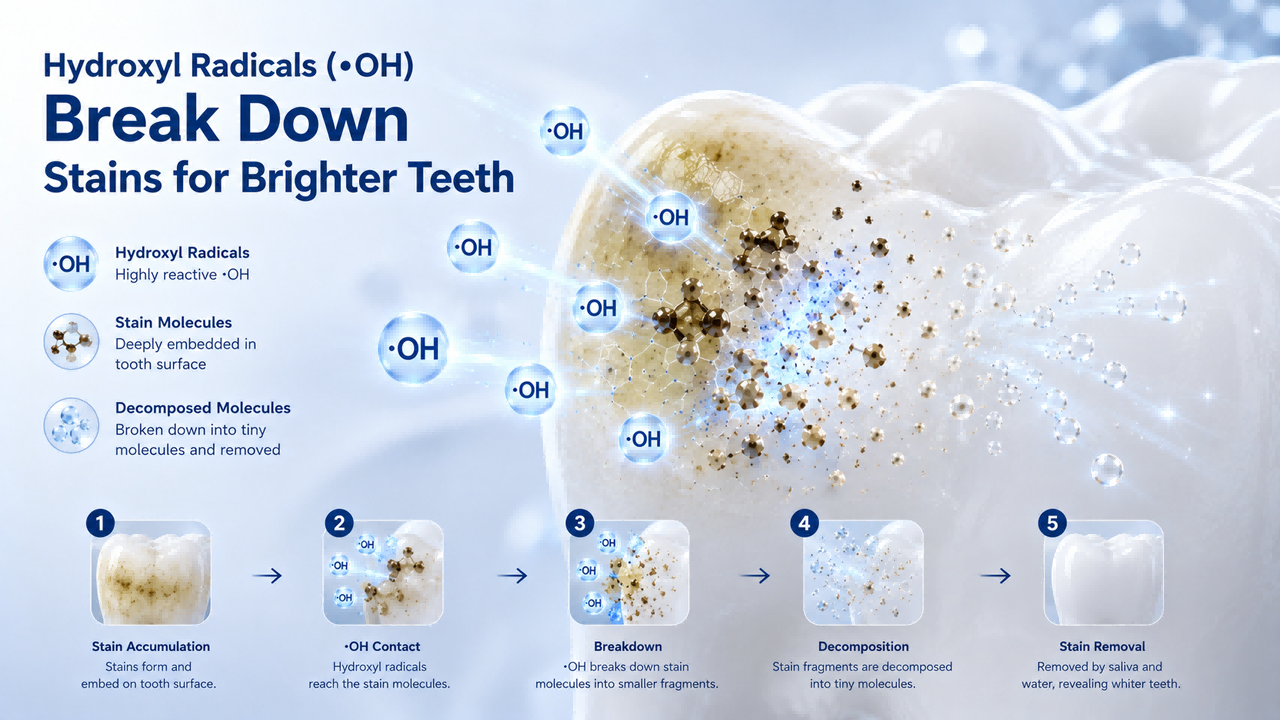
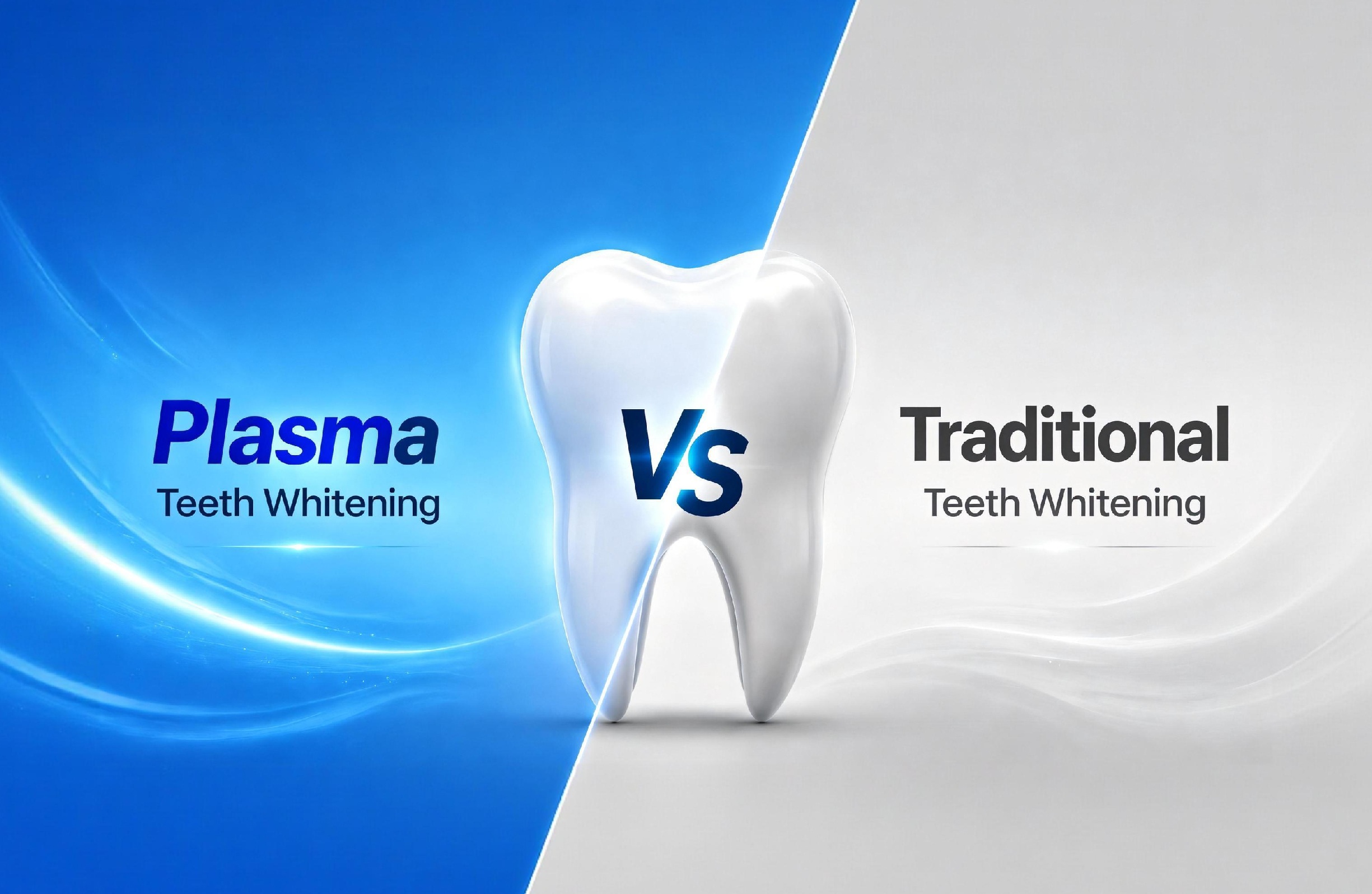
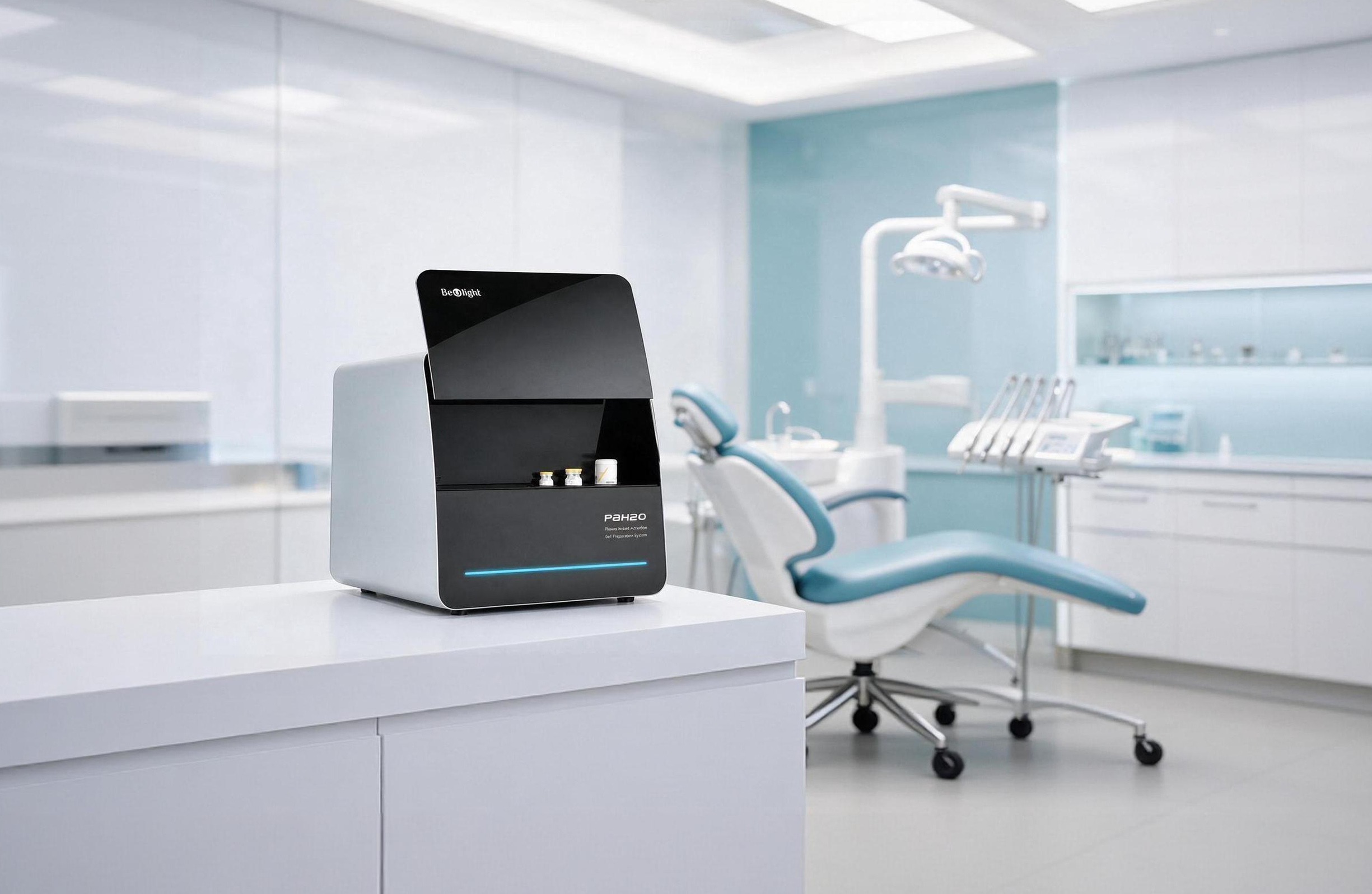
In contrast to the "concentration-driven" logic of traditional whitening, plasma teeth whitening opens up an entirely new activation pathway. By using a low-temperature plasma jet to activate a "water + ≤3% hydrogen peroxide" system, it can instantaneously generate high-density hydroxyl radicals and various reactive oxygen species (ROS). At lower concentrations, it achieves rapid decomposition of pigment molecules by producing a greater quantity and higher reactivity of oxidizing species. This technological logic is, in essence, a paradigm shift from "concentration-driven" to "activity-driven." Traditional whitening focuses on the dosage of hydrogen peroxide used, whereas plasma whitening focuses on the output efficiency of effective hydroxyl radicals and reactive oxygen.
| Dimension | Traditional High-Concentration Whitening | Plasma Teeth Whitening |
| Source of Reactive Oxygen | Released through natural decomposition of high-concentration HP | Generated by excitation via low-temperature plasma jet |
| Reactive Oxygen Density | Relatively low at equivalent concentrations | Extremely high density at equivalent concentrations |
As oral whitening technology continues to evolve, the industry's evaluation standard has shifted from hydrogen peroxide concentration toward the generation efficiency of effective reactive oxygen within the system. The future core competitive advantage of whitening technology will no longer rely on increasing hydrogen peroxide concentration, but on achieving higher reactivity and higher-efficiency pigment degradation under low-concentration HP conditions. The technological pathway of low concentration and high reactivity will become the mainstream development direction in the field of oral whitening — one that balances whitening efficacy, biological safety, and treatment comfort.