In dental clinics, one of the most common concerns during teeth whitening consultations is: “I want whiter teeth, but I’m worried about experiencing sensitivity or pain.” Due to previous experiences or concerns about sensitivity reactions, some individuals tend to have lower acceptance of whitening treatments.
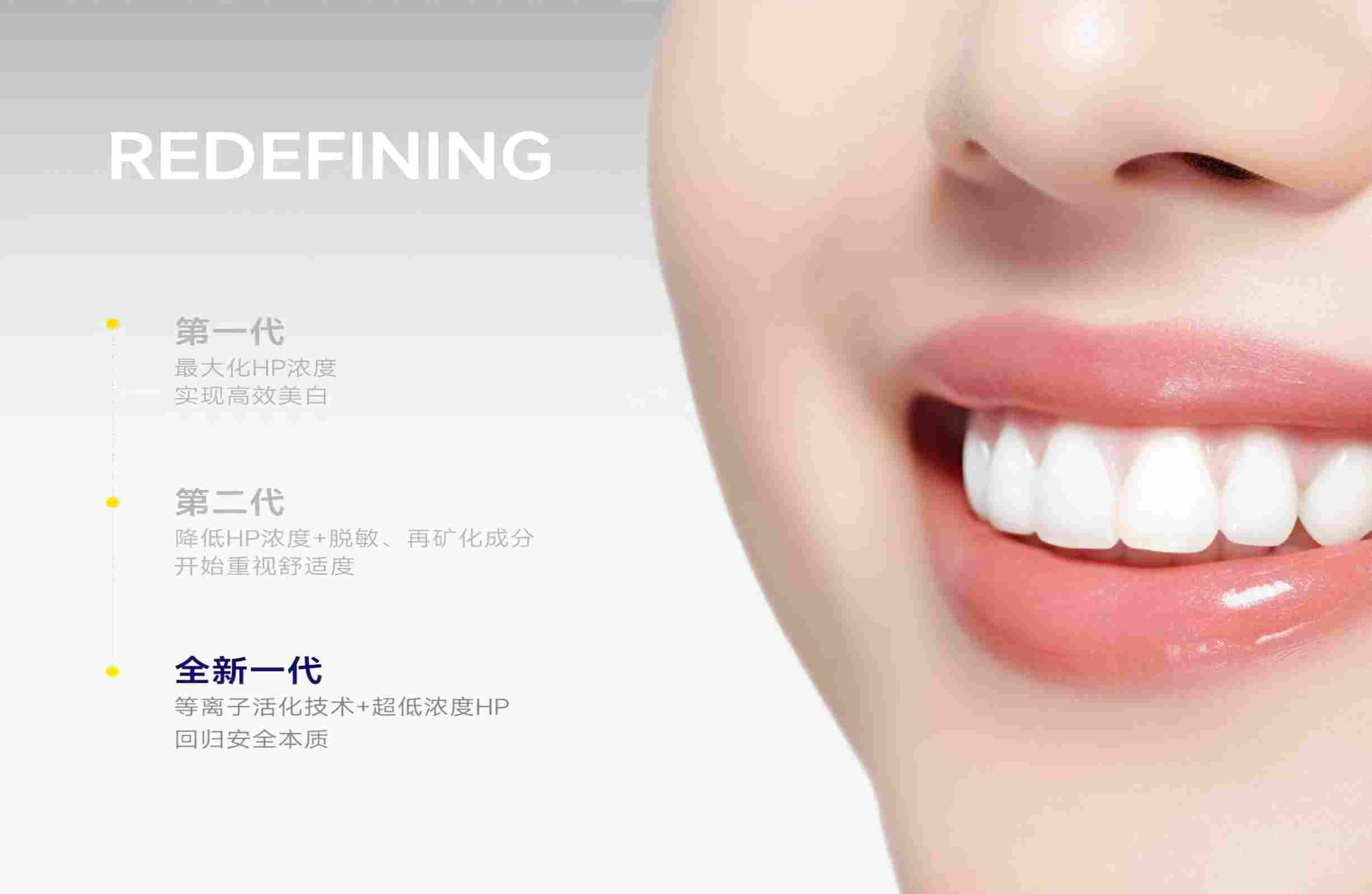
As the application of Plasma Teeth Whitening in dental practices continues to grow, the technological approach to whitening is also evolving. Instead of relying solely on increasing hydrogen peroxide (HP) concentration, this method uses plasma activation technology to enhance whitening performance at lower HP concentrations, enabling a more comfortable and safer improvement in tooth color. So, who exactly is Plasma Teeth Whitening suitable for?
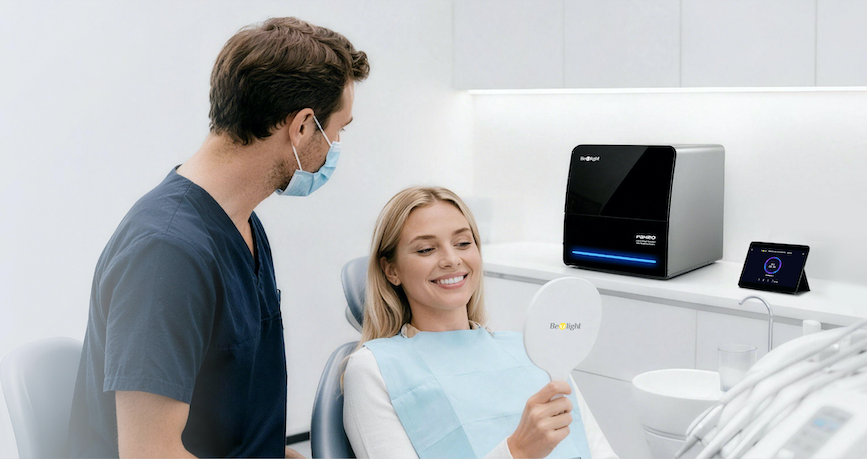
The key characteristics of Plasma Teeth Whitening include low concentration, high reactivity, and reduced irritation potential. Based on these features, it is primarily suitable for the following three groups:
1. Extrinsic Staining Cases (Coffee, Tea, and Smoking-Related Stains)
Individuals with long-term coffee or tea consumption habits, or those who smoke, often develop extrinsic staining on tooth surfaces, primarily in the form of coffee stains, tea stains, or tobacco stains.
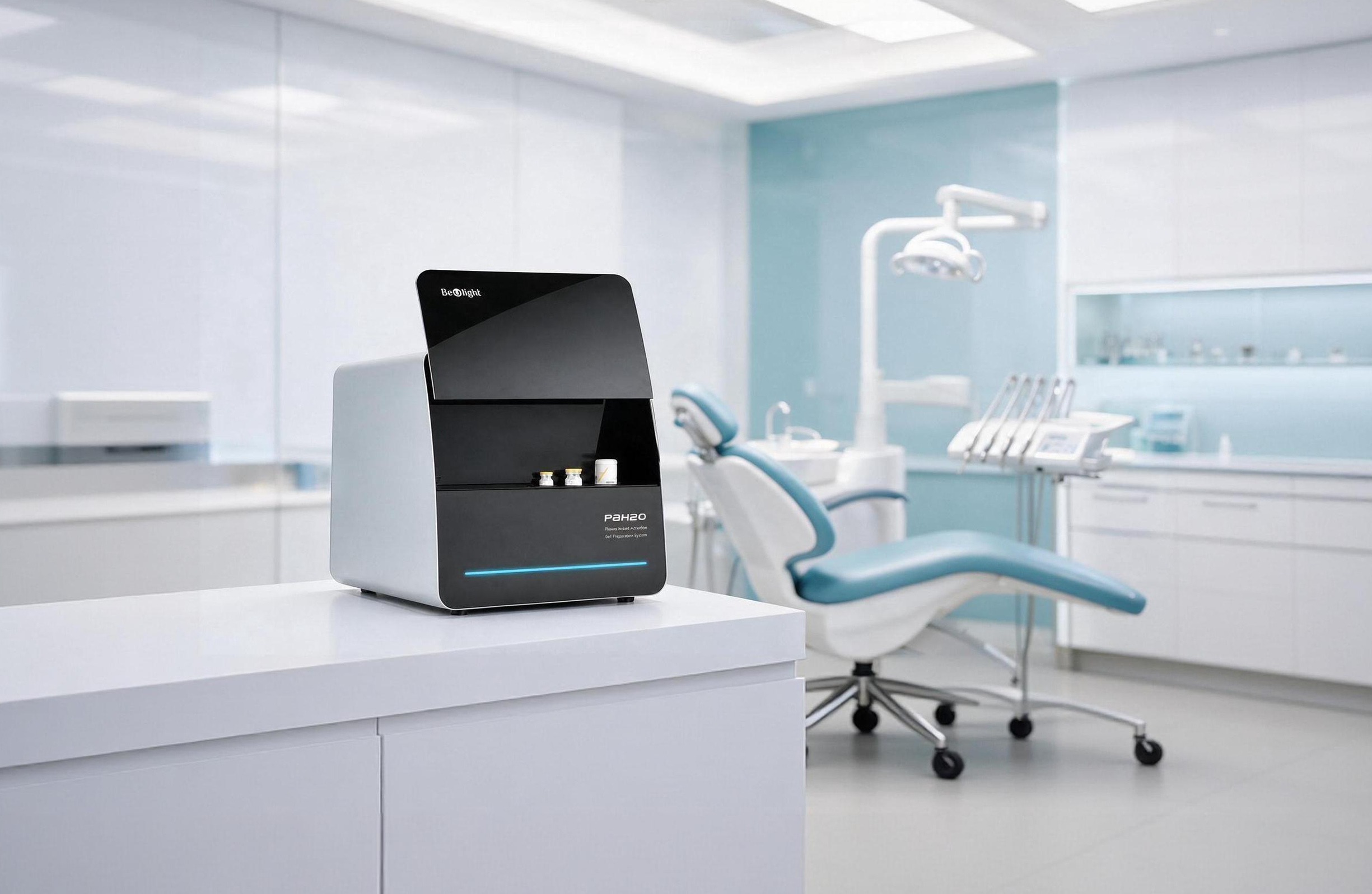
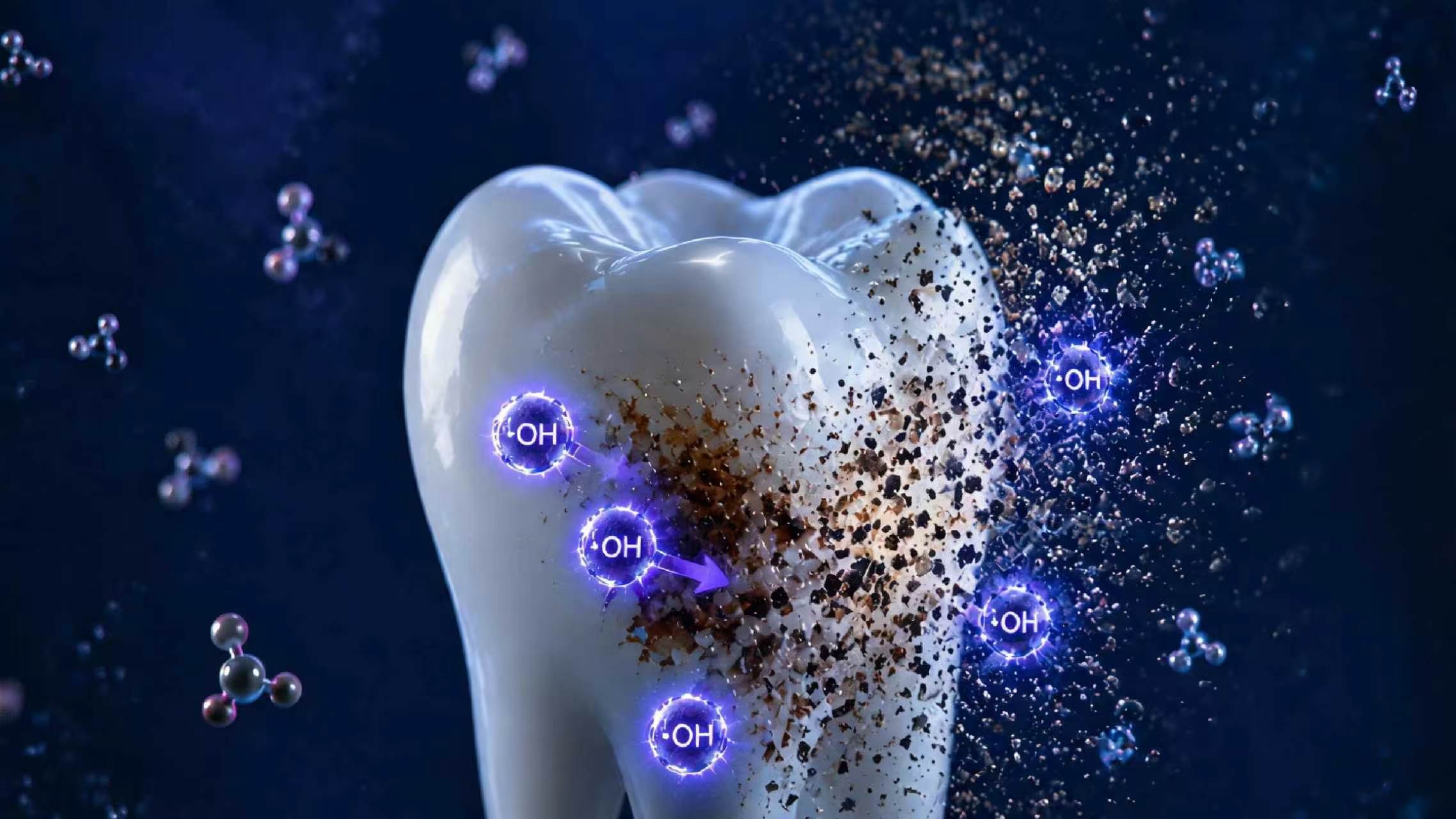
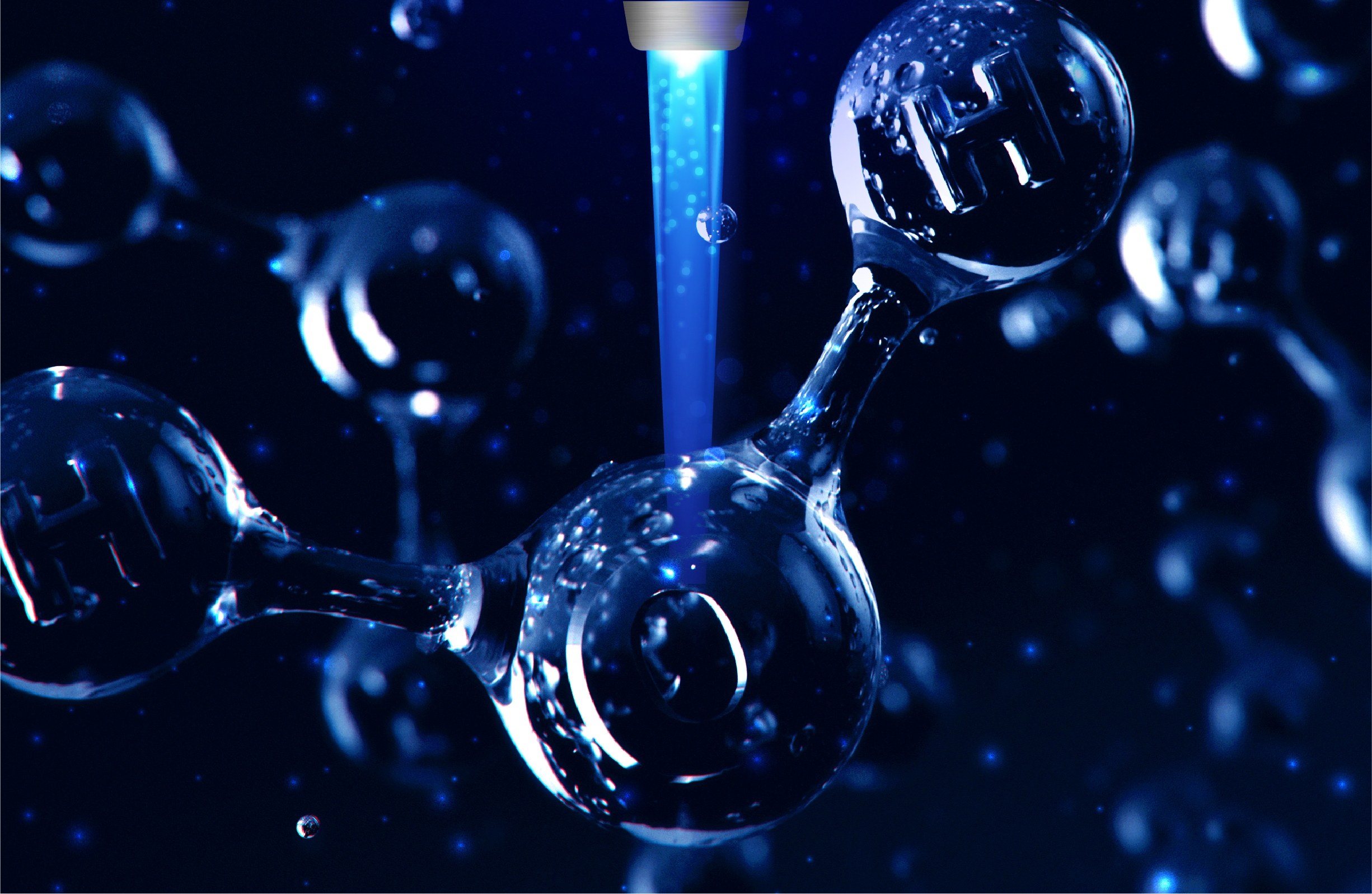
While traditional high-concentration whitening is effective, it is often associated with pronounced post-treatment sensitivity and soreness.Plasma Teeth Whitening uses low-temperature plasma jets to activate a ≤3% low-concentration hydrogen peroxide (HP) system, rapidly generating high-density hydroxyl radicals (•OH). This enables efficient breakdown of deposited stains without causing significant discomfort.
Suitability: Ideal for individuals seeking improvement of long-term extrinsic staining while being concerned about post-treatment sensitivity.
2. Tooth Sensitivity-Prone Individuals: A Gentler Whitening Option
This is one of the most breakthrough application scenarios for Plasma whitening.
Individuals with sensitive teeth often have difficulty tolerating the irritation caused by traditional high-concentration hydrogen peroxide (HP) systems.Plasma Teeth Whitening combines plasma activation technology with a ≤3% hydrogen peroxide formulation, helping reduce sensitivity risks by minimizing potential tooth irritation at the source.
Suitability: Suitable for individuals with tooth sensitivity, lower tolerance to traditional high-concentration whitening, and a need for tooth color improvement.
3. Mild to Moderate Fluorosis: Gentle Improvement of Intrinsic Staining
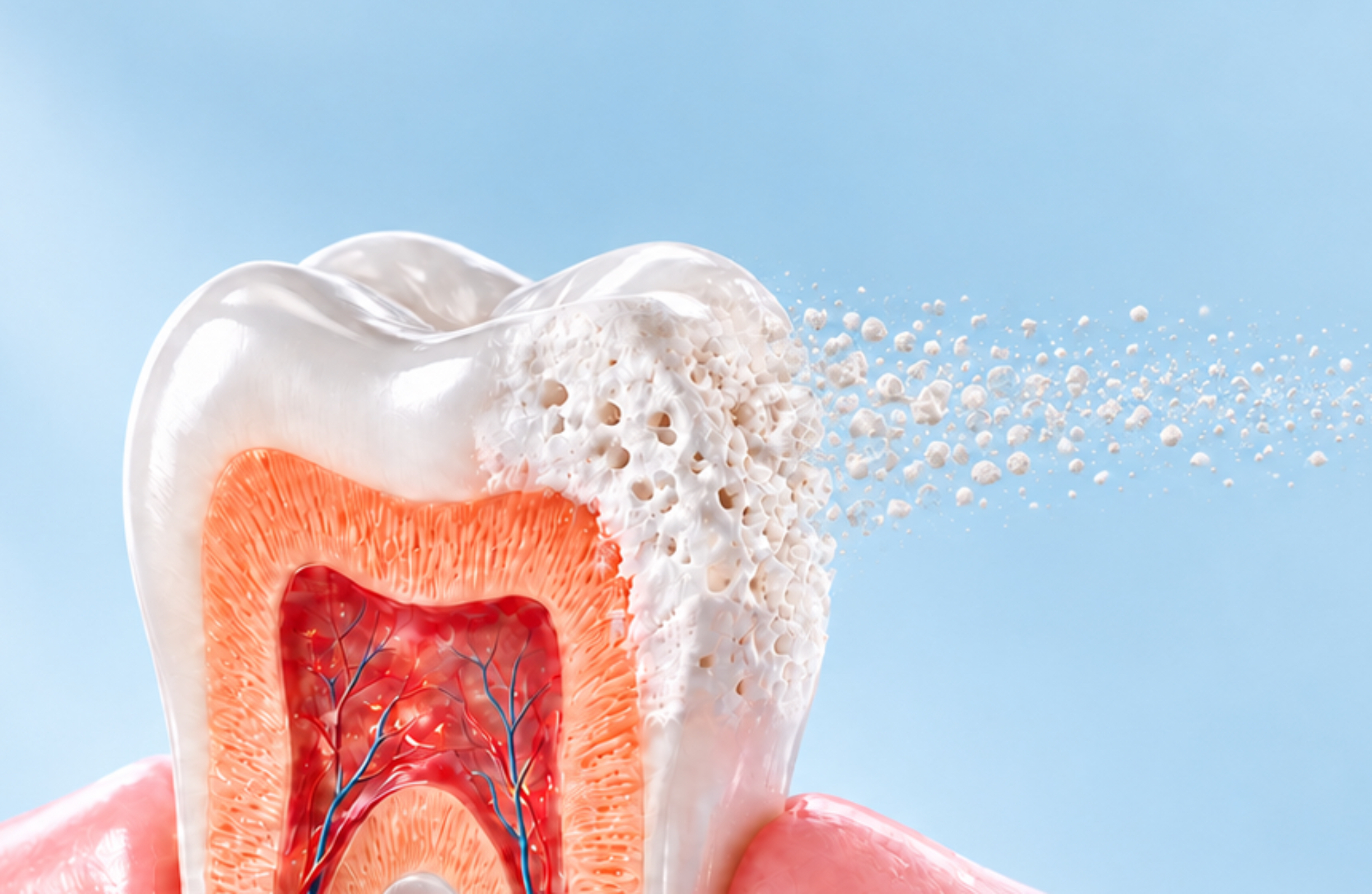
For dental fluorosis (characterized by chalky white or light brown enamel spots), traditional whitening often requires repeated high-concentration bleaching procedures, leading to cumulative risk.The safety profile of Plasma Teeth Whitening allows for repeated treatments over shorter intervals to improve discoloration, while helping preserve enamel integrity.
Suitability: Suitable for individuals seeking improvement of intrinsic discoloration while prioritizing tooth structure protection and treatment comfort.
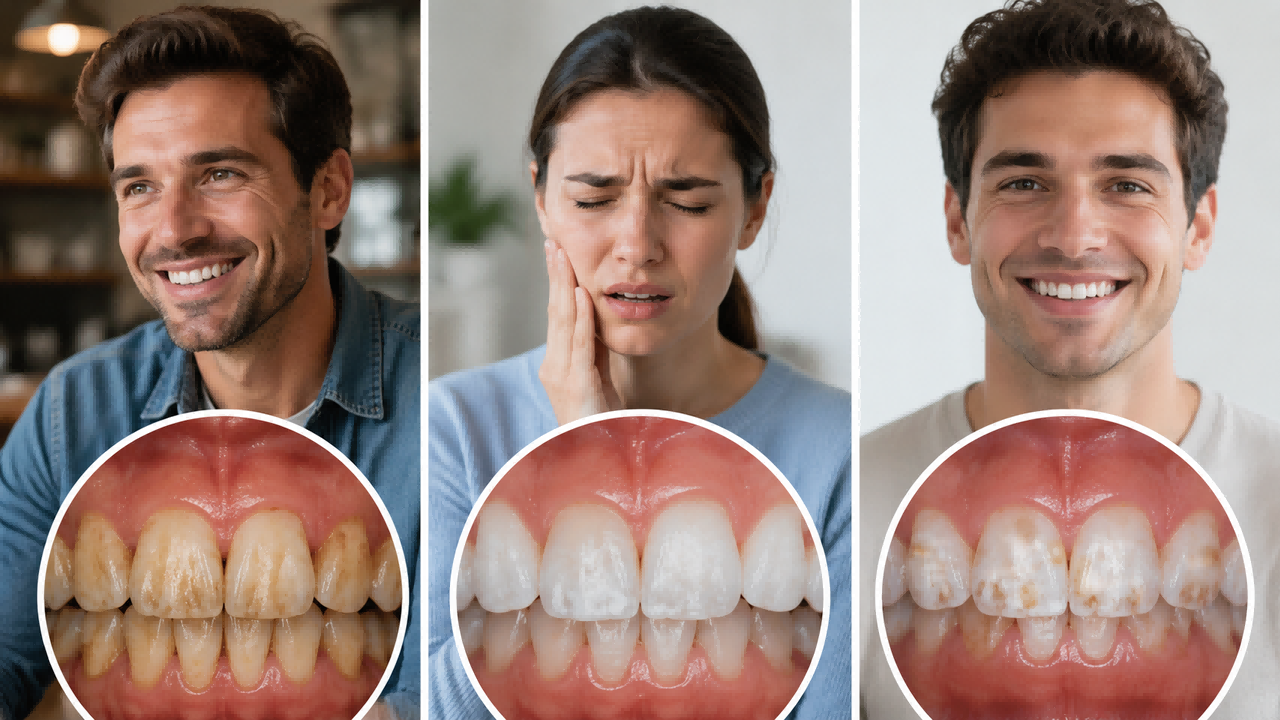
In addition to user characteristics, specific social and lifestyle scenarios are also important factors when determining whether this technology is suitable.
| Scenario Type | Recommendation Level | Scenario Analysis |
| Important occasions “quick fix” (weddings, interviews, photo shoots) | ★★★★★ | Due to the fact that post-treatment typically does not require complex desensitizing care and has a relatively short recovery period, it is suitable for individuals with short-term aesthetic enhancement needs. |
| Long-term maintenance (annual whitening routine) | ★★★★★ | The low-concentration system does not damage enamel and is suitable for periodic maintenance under professional evaluation and guidance, helping to maintain a bright tooth color. |
| Extreme whiteness pursuit (Hollywood white) | ★★★ | For individuals seeking a higher degree of whitening in a single session and who have good tolerance to high-concentration bleaching, appropriate whitening methods may be selected based on professional dental assessment. |
| Presence of multiple restorations (crowns / veneers) | ★★★ | Plasma Teeth Whitening only acts on natural teeth. If multiple restorations are present in the mouth, color mismatch may occur after whitening. It is recommended to first whiten natural teeth to their optimal shade, then adjust the color of restorative materials accordingly, followed by regular post-treatment maintenance of tooth color. |

Although Plasma Teeth Whitening is based on a low-concentration system with a favorable safety profile, it remains a professional dental procedure and should be performed in certified clinical settings under the guidance of a dentist.
1. Contraindications
·Pregnant and breastfeeding women (for safety considerations)
·Individuals with a known allergy to peroxide-based ingredients
2. Cautionary Cases
·Individuals with enamel defects or exposed dentin
In such cases, even low-concentration systems may still cause sensitivity. It is recommended to complete basic restorative treatment first before evaluating whitening suitability.
3. Patients with Dental Restorations
Teeth whitening only affects natural tooth structure and has no significant effect on full-ceramic crowns, veneers, or other restorative materials. Patients with restorations should evaluate potential color mismatch between natural teeth and prosthetic materials in advance.
The Plasma Teeth Whitening technology breaks through the safety limitations of traditional high-concentration whitening and challenges the long-standing assumption of “trading tolerance for effectiveness.” It enables patients who were previously hesitant due to concerns about dental damage to achieve aesthetic improvement in a safer way, driving the industry to shift from simply pursuing bleaching intensity toward a new standard that balances efficacy with safety and treatment experience.