When it comes to standardizing teeth whitening, many people first think of the operational workflow: how to apply the product, how long it should act, and how to document the procedure afterward. But for professional teeth whitening, what truly determines where a treatment begins is not the procedure itself, but the judgment made before it.
People differ in their baseline tooth shade, the causes of discoloration, and the condition of their tooth structure, periodontium, and soft tissues. Natural teeth and restorations also respond to whitening in distinctly different ways. At the same time, what a client understands by "whiter" may not fully align with the realistic improvement a professional can identify from the current state of their teeth.
If these questions are not properly addressed before whitening, even a procedure carried out exactly to standard may still fall short of the client's expectations. That is why the standardization of teeth whitening should not begin solely with the operational SOP — it should begin with a professional pre-treatment assessment.
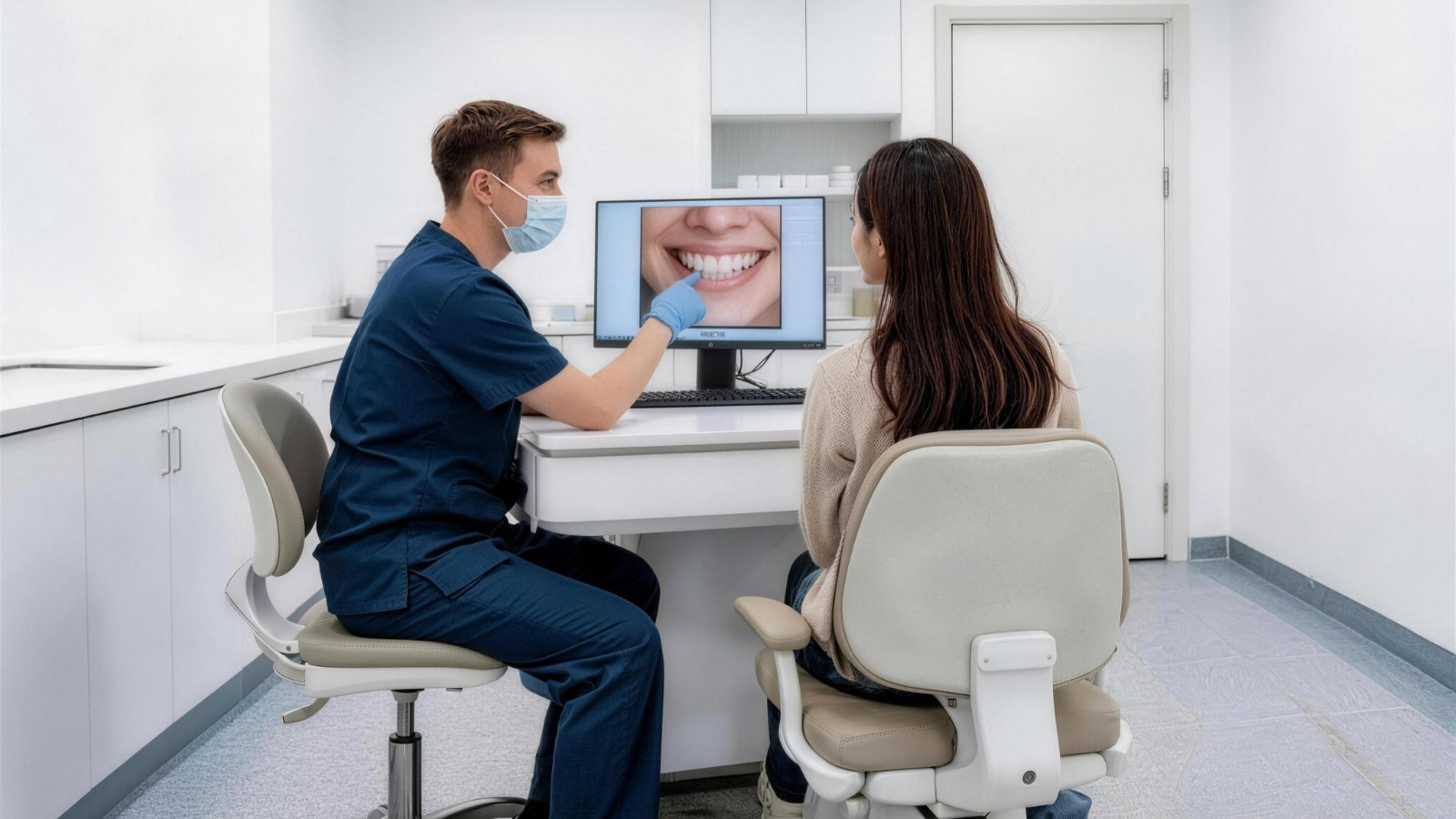
The value of a professional assessment is not simply to decide "whether to proceed or not," but to establish the basis for the whitening that follows. A complete pre-treatment assessment needs to answer at least four questions.
First: Is whitening appropriate right now? The professional must assess the condition of the tooth structure, periodontium, and soft tissues. Where caries, significant tooth defects, exposed dentin, or other conditions make whitening unsuitable for the time being, those issues should be addressed first rather than moving straight into a whitening procedure.
Second: Why does the tooth look the way it does? Tooth color is influenced by many factors. Beyond extrinsic sources such as tea, coffee, and smoking, it can also relate to age, tooth development, and pulp condition. Understanding the baseline shade and possible causes of discoloration helps the professional evaluate the current color issue and form a more realistic view of the improvement potential.
Third: Which teeth can actually be improved by whitening? Teeth whitening primarily acts on natural teeth; crowns, veneers, and resin restorations do not lighten in step with natural enamel. If restorations are present in the area to be treated, the possible shade discrepancy after the natural teeth lighten must be considered in advance and discussed thoroughly before the procedure.
Finally: How much improvement is desired? A client may arrive with an ideal shade in mind, but professional whitening is not simply about being "as white as possible." Because baseline shade, discoloration characteristics, and personal needs vary, so does the realistic improvement goal. Grounding the goal in the actual condition of the teeth is the essential foundation for treatment planning and expectation management.
These four questions all resolve the same thing: before any procedure begins, clarify whether whitening is suitable, what the starting point is, and what a realistic improvement goal looks like.
Teeth whitening is not a project that can be measured by a single uniform result. Even with the same technical approach, different baseline shades and discoloration patterns can lead to different visible changes. The pre-treatment assessment therefore affects not only "whether whitening is suitable" but also how the client understands the final outcome.
For instance, where crowns, veneers, or resin restorations are present, it must be explained in advance that whitening acts mainly on natural teeth and the restorations themselves will not lighten in step. Once the natural teeth improve in shade, a mismatch may appear between the original restoration and the surrounding teeth — a situation that should be fully discussed before treatment.
For teeth with a darker baseline or certain intrinsic discoloration, if expectations are set too high at the outset, the client may still feel the result falls short of what they imagined, even when a genuine improvement has been achieved. Which color issues can be improved, what the likely improvement range is, and where shade differences may appear should all be explained as far as possible before the procedure.
Expectation management is not an explanation delivered after whitening is done; it should be part of the professional assessment. Rather than explaining afterward "why it looks different from what you imagined," it is better to help the client correctly understand their own tooth shade and the realistic improvement goal before anything begins.
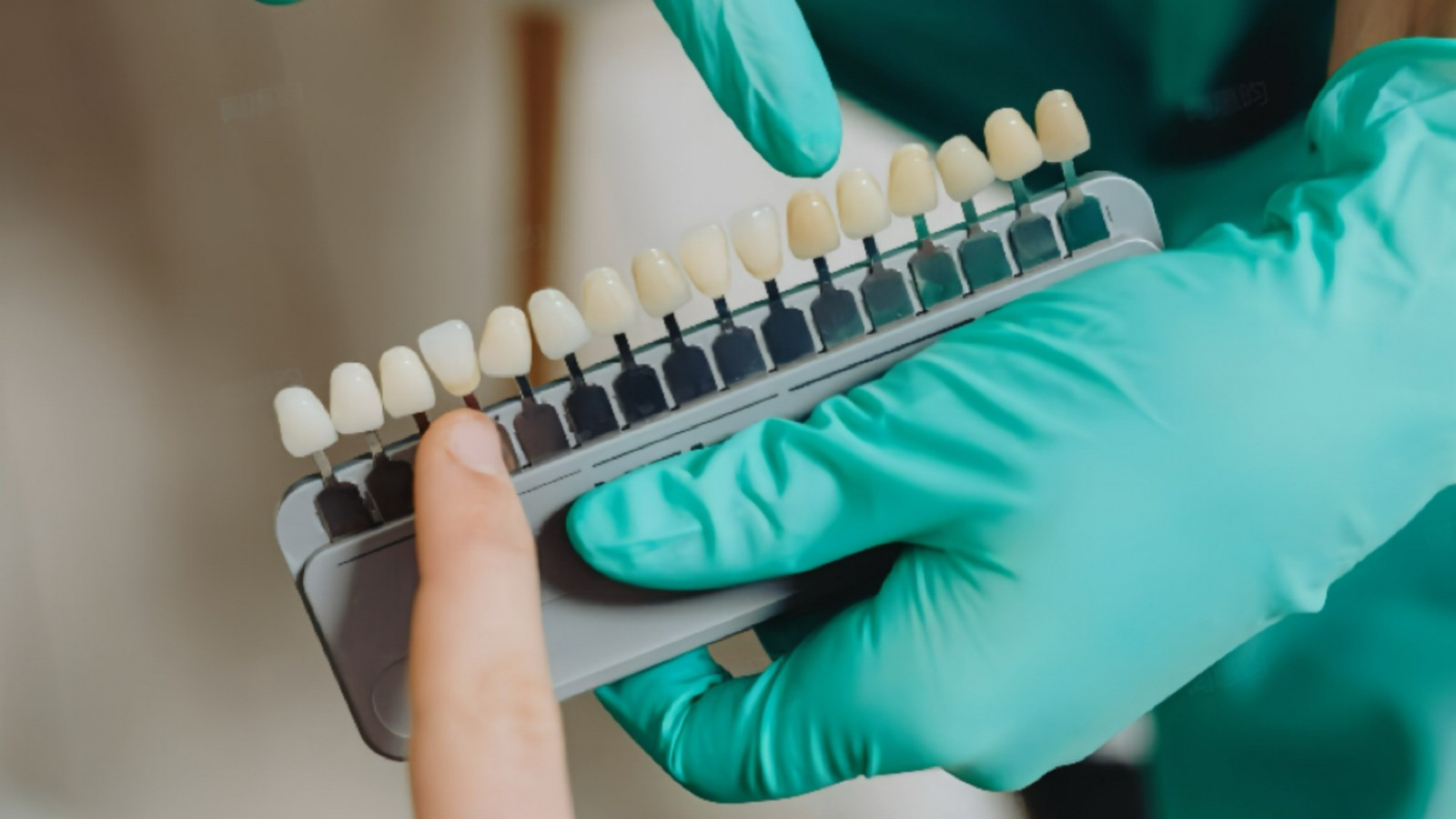
If professional assessment answers "how to judge," then shade taking and record-keeping answer "how to leave evidence behind."
A standardized shade assessment before whitening establishes an objective reference for the baseline tooth color; recording it again after the procedure lets the actual change be observed more directly. For clients who need staged improvement or ongoing shade maintenance, these records also become an important reference for the next assessment.
Therefore, pre- and post-treatment shade taking should not be understood merely as a Before & After showcase of whitening results. For a professional practice, its greater significance is forming a tooth-color record that can be used continuously. As the service continues, the practice can progressively record the baseline shade, the improvement goal, and the actual color change. When a client returns to focus on their tooth shade again, the professional can review past records to see what has changed, then decide whether further improvement or maintenance is needed.
A single whitening session should leave behind not just a result, but also the basis for ongoing tooth-color management.

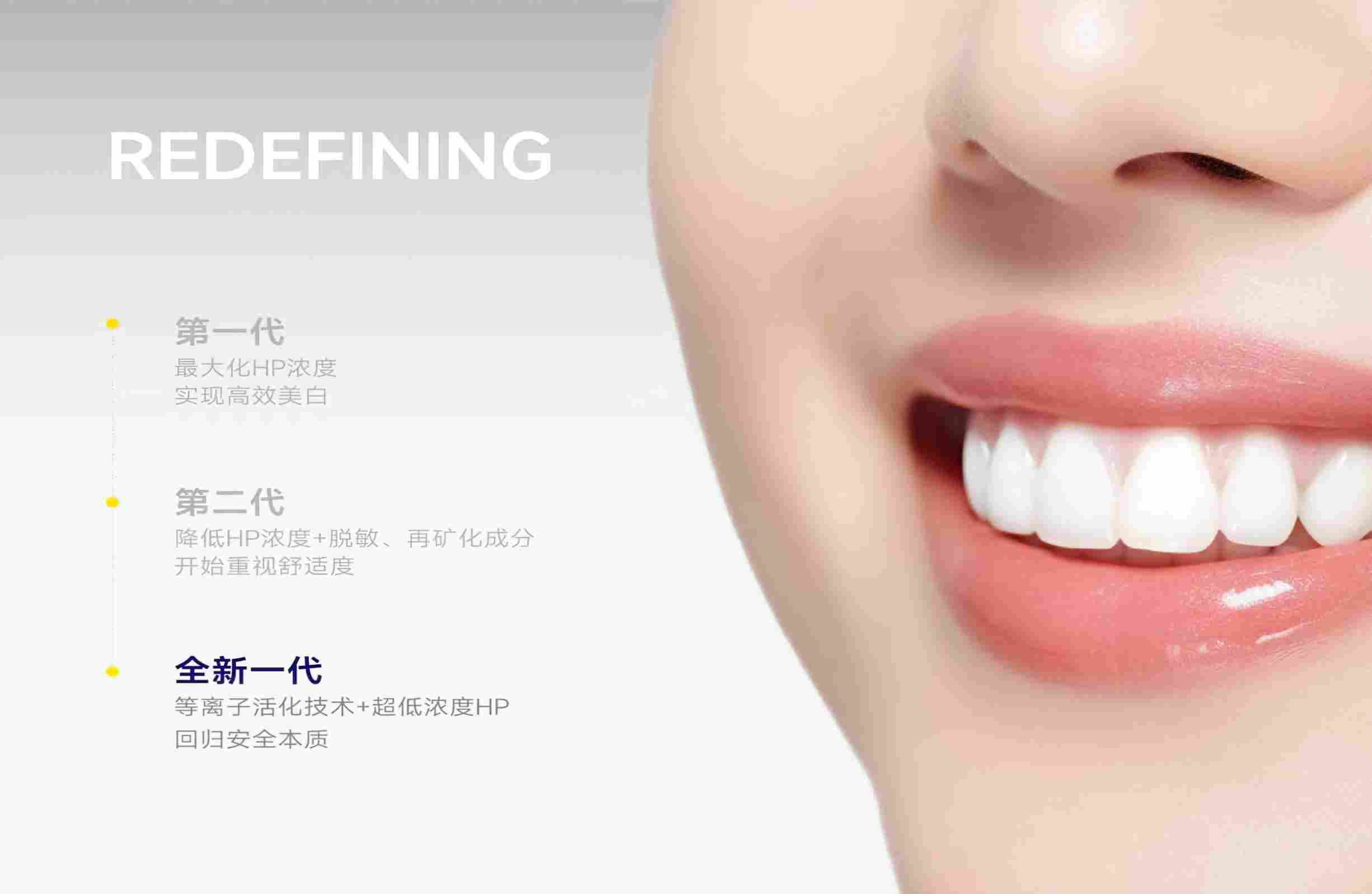
Once the pre-treatment assessment is complete, the next step is to plan the whitening protocol based on tooth condition, baseline shade, and improvement goal. The thinking behind protocol design differs across technical approaches; hydrogen peroxide (HP) concentration, application method, and the pace of improvement are all factors to consider.
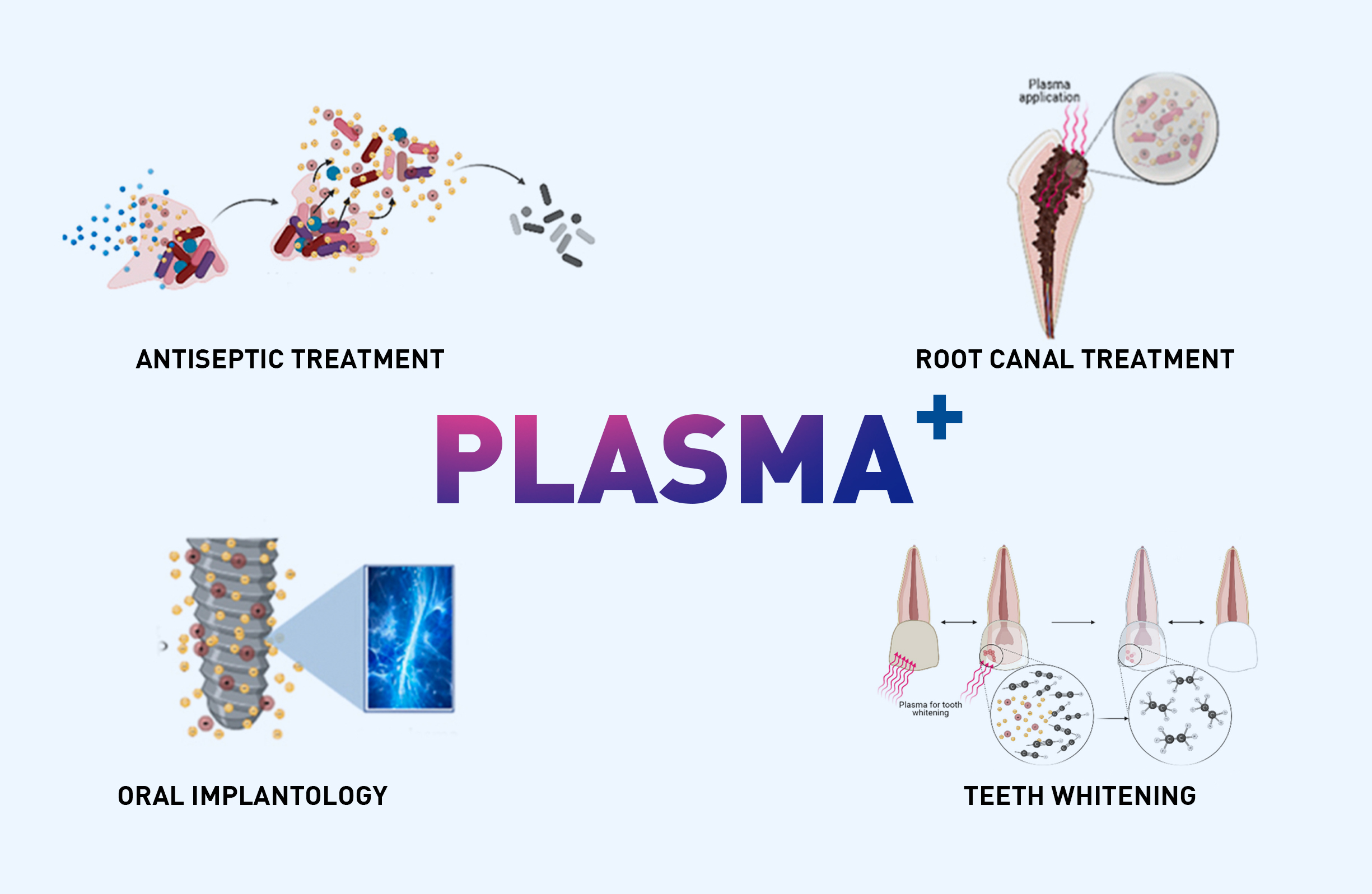
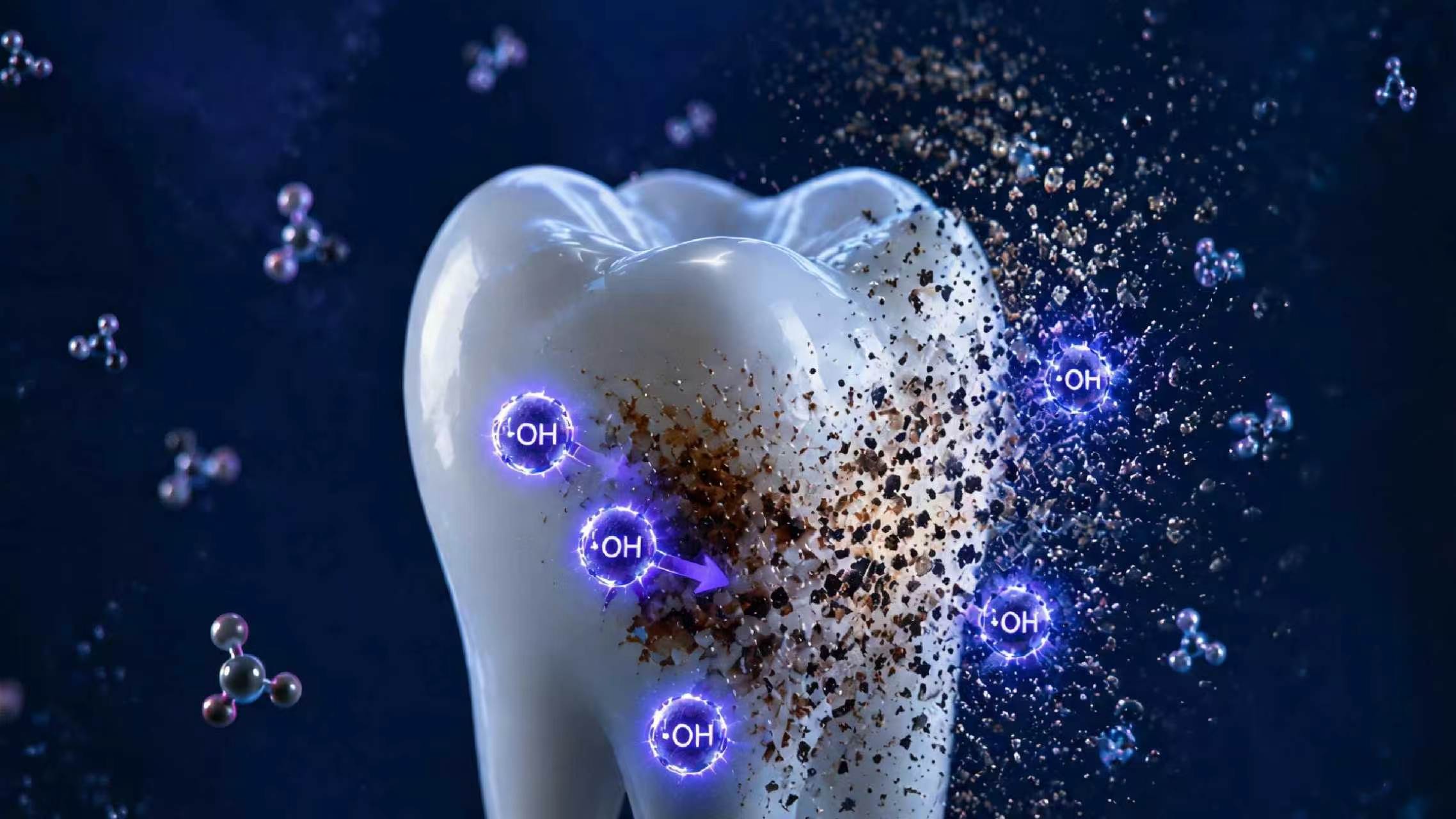
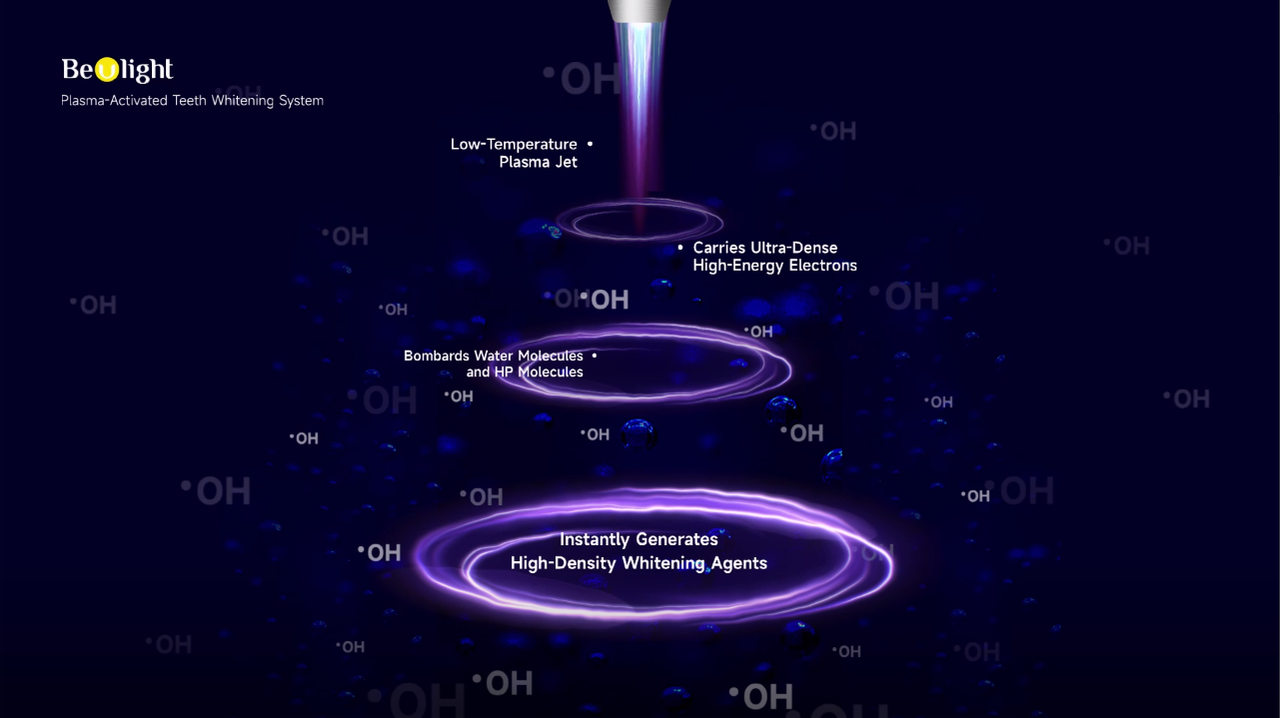
HP concentration is one of the key factors affecting the whitening process, and plasma teeth whitening offers an alternative technical path: through low-temperature plasma activation, it raises the reactivity of the whitening system and reduces dependence on high HP concentrations.
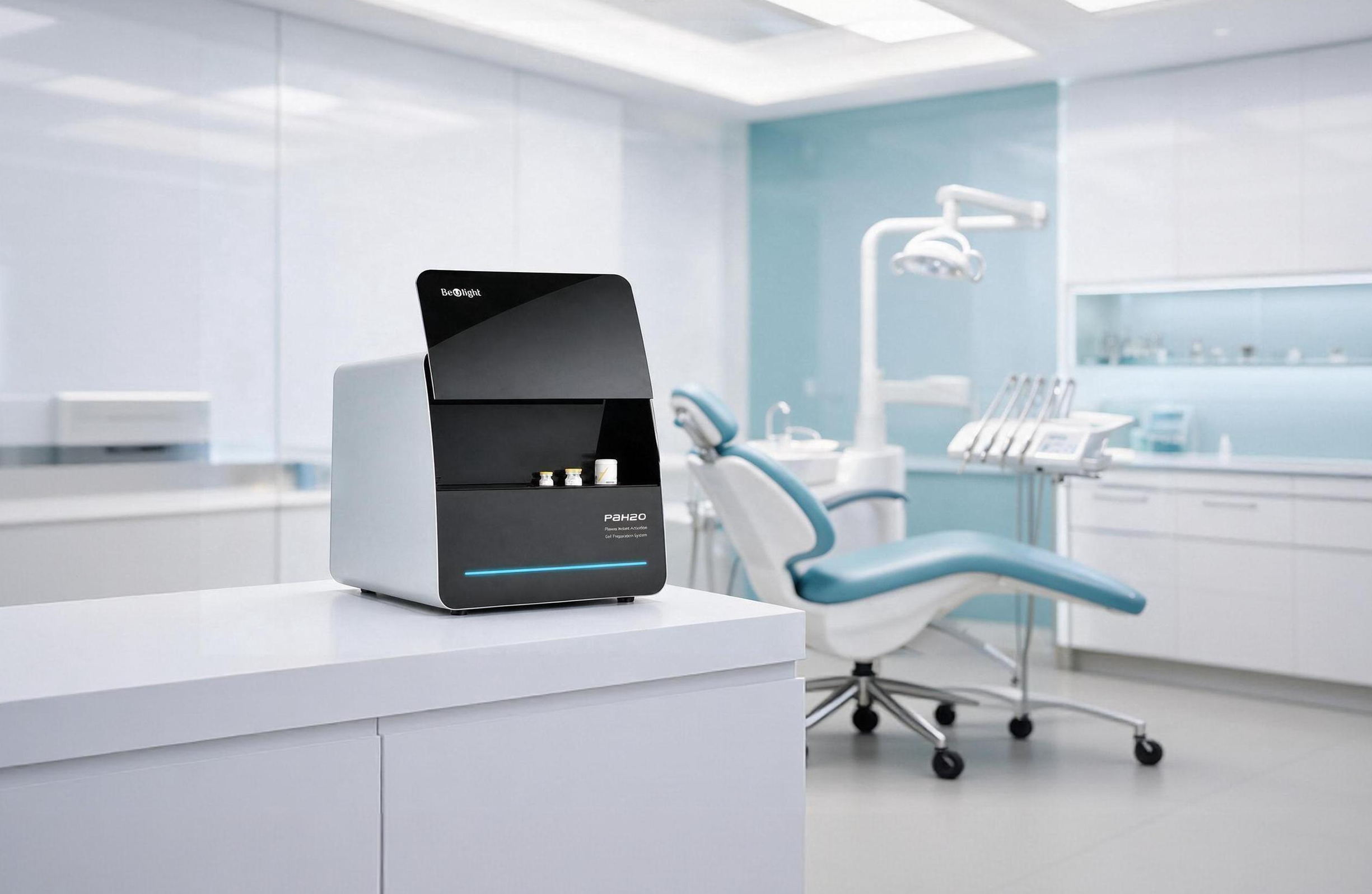
Take BeUlight Plasma Teeth Whitening as an example: it follows a "low concentration · high activity" technical path, keeping HP at ≤3%. Low-temperature plasma activates hydrogen peroxide and water on site, promoting the generation of active substances such as hydroxyl radicals (·OH), which are then formulated into a whitening gel applied to the tooth surface.
Within this technical path, personalization need not simply mean raising or switching HP concentration. Instead, the professional can set the improvement goal from the pre-treatment assessment, then manage the pace of subsequent sessions based on tooth condition and the actual color change observed.
Professional assessment and the standardized technical path thus connect: the former determines how to manage tooth color, while the latter turns professional judgment into standardized whitening procedure.
For a professional practice, the value of assessment lies not only in the judgment before a single whitening session, but in making it a fixed part of the service workflow. Before whitening: understand tooth condition and color needs, establish a baseline shade record, and define a realistic improvement goal. After whitening: record the actual color change to leave a basis for later maintenance. Whether whitening is suitable and what the specific protocol should be are then determined by the professional based on the actual situation.
Once these key actions are fixed in place, the standardization of teeth whitening is no longer just "following steps to complete a procedure" — it becomes a complete process running from professional assessment and standardized shade taking to standardized operation and result recording. This helps reduce information gaps during service and builds a continuous record basis for ongoing tooth-color management. Professional assessment clarifies suitability and improvement goals; standardized shade taking leaves objective evidence; thorough communication builds realistic expectations; and a stable technical path then carries these professional judgments forward.
For BeUlight Plasma Teeth Whitening, the "low concentration · high activity" system provides a relatively unified technical path, while the professional's judgment determines how that technology is applied to different tooth conditions and color needs.
Begin with assessment — let professional judgment precede the procedure, let standardized technology carry that judgment forward, and let every whitening session leave a basis for the tooth-color management that follows.