In modern social environments, white and well-aligned teeth have become an important indicator of personal appearance and self-presentation.With the growing popularity of coffee and tea culture, tooth discoloration has gradually shifted from an occasional issue to a persistent, everyday condition. As a result, consumer demand for whitening has evolved from one-time “bleaching” procedures to periodic tooth color management.
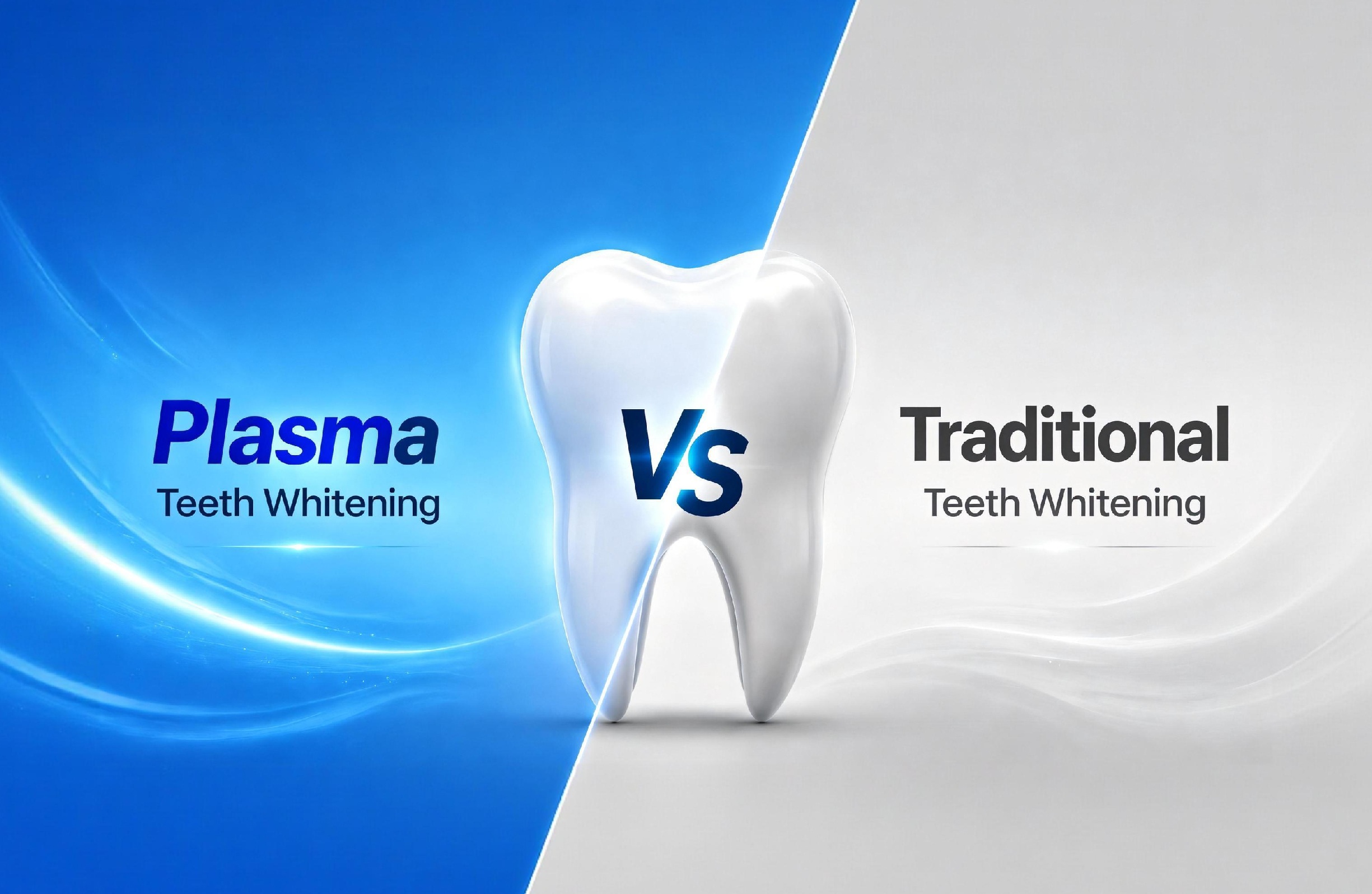
However, traditional whitening systems are primarily based on high-concentration hydrogen peroxide (HP). In frequent maintenance scenarios, their application is often limited by issues such as tooth sensitivity, procedural complexity, and treatment comfort.In contrast, Plasma Teeth Whitening, with its “low-concentration, high-activity” approach, provides a gentler and more efficient solution for long-term color maintenance.
For most modern individuals, tooth discoloration is primarily caused by extrinsic staining from smoking, coffee, tea, and red wine.These staining factors are dynamic and continuously recurring, which means that teeth whitening is more appropriately managed as a periodic maintenance process rather than a one-time treatment.
In professional whitening practice, it has long been recognized that higher treatment frequency may be associated with increased chemical exposure to tooth structures.Conventional in-office whitening typically relies on 15%–40% hydrogen peroxide (HP), which achieves rapid whitening through strong oxidative diffusion within tooth structures.While this concentration-driven approach delivers fast results, repeated use may be associated with several limitations:
1.Tooth Sensitivity:High-concentration whitening agents may stimulate the dental pulp, leading to sharp sensations or prolonged tooth sensitivity.
2.mpact on Enamel Integrity:High-concentration whitening agents may contribute to varying degrees of enamel demineralization, potentially affecting the long-term stability of tooth structure.
3.Treatment Anxiety:The complexity of post-treatment desensitizing procedures, combined with concerns about potential sensitivity, may reduce patient adherence to long-term whitening regimens.

The suitability of Plasma Teeth Whitening for long-term maintenance lies in its fundamental shift in technological logic—from a concentration-driven approach to an activity-driven approach.
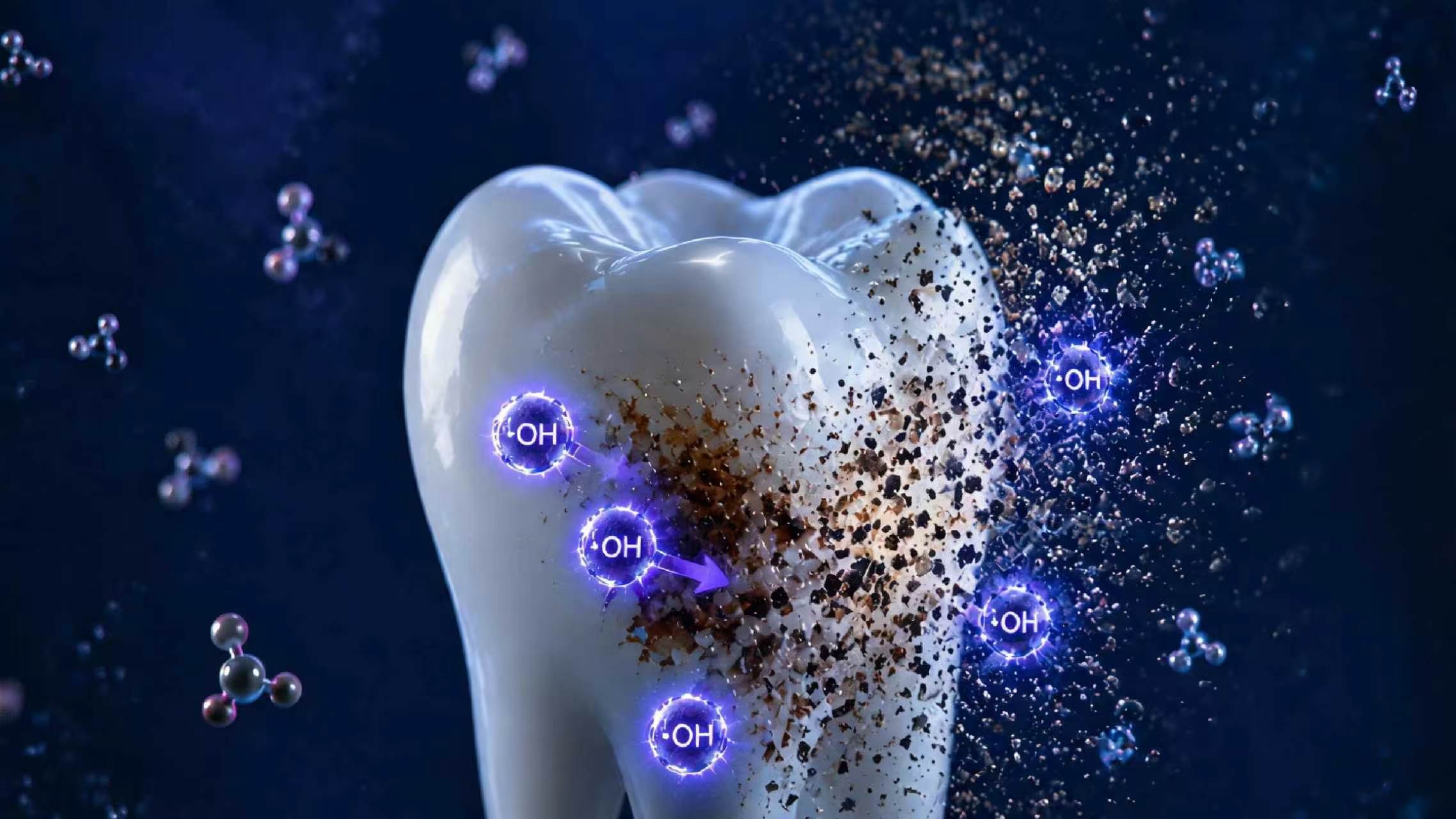
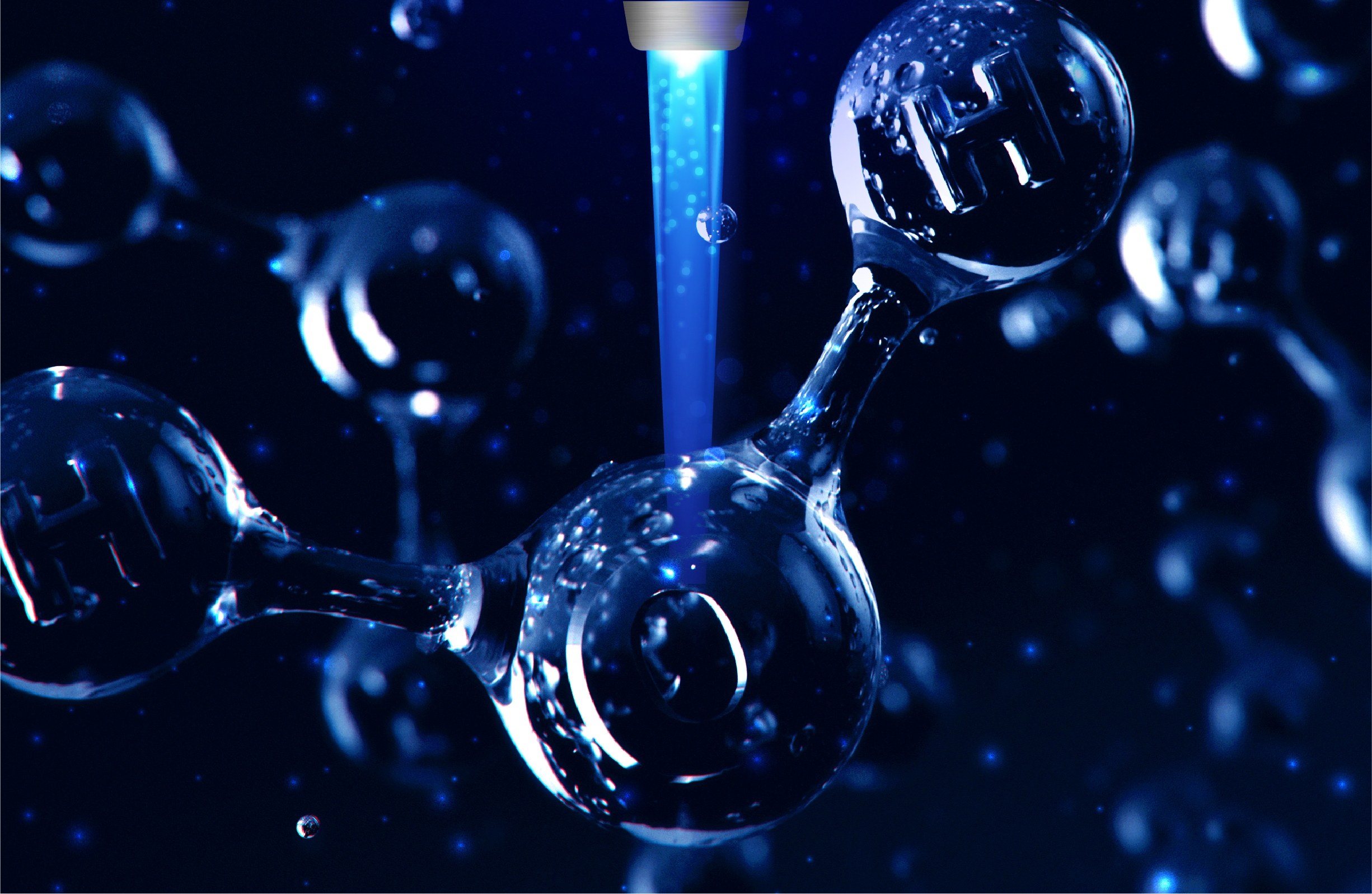
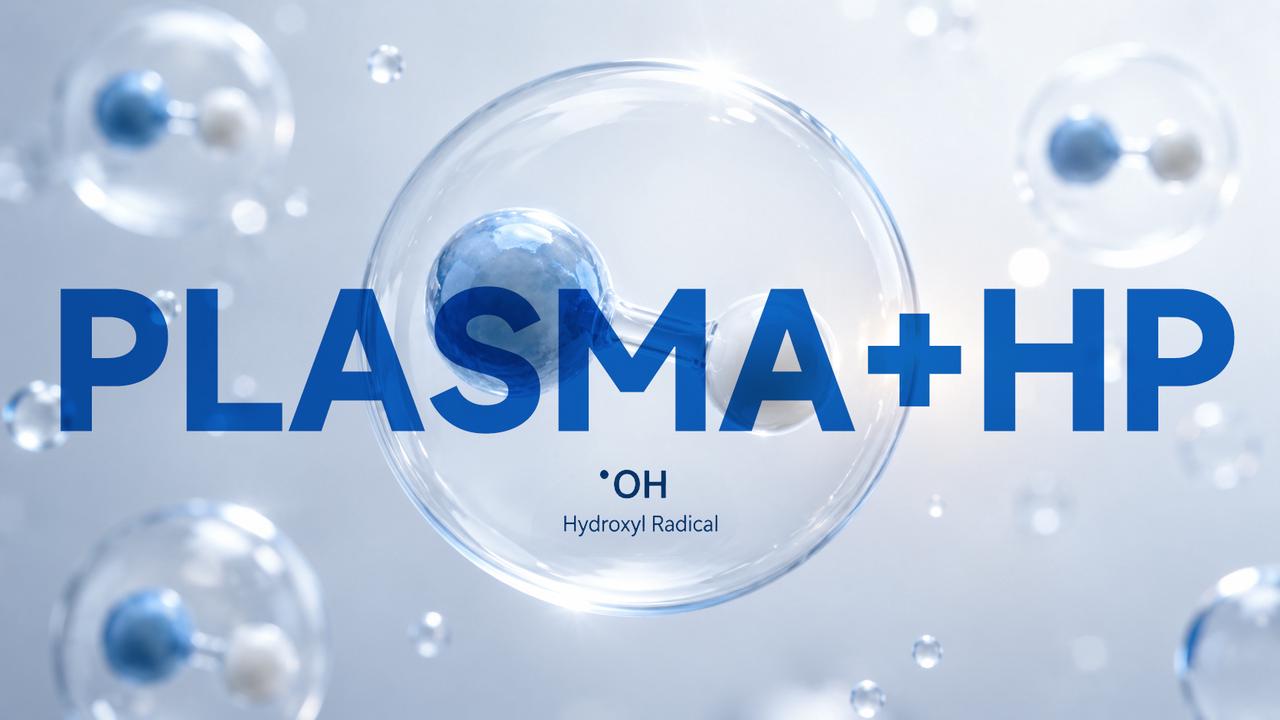
1、Plasma Activation:A low-temperature plasma jet carrying high-energy electrons instantaneously activates a system composed of water and ≤3% hydrogen peroxide (HP), generating a high density of Hydroxyl Radicals (•OH) and Reactive Oxygen Species (ROS).
2.Enhanced Efficiency:Hydroxyl radicals possess exceptionally high redox potential, enabling significantly greater oxidative efficiency than hydrogen peroxide alone, even at higher concentrations.
3.Gentle Yet Effective Stain Breakdown:These highly reactive species rapidly break down chromophores and conjugated structures within stain molecules, enabling efficient stain removal while helping maintain enamel integrity and minimizing irritation to dental pulp tissue.
For individuals seeking long-term whitening maintenance, Plasma Teeth Whitening offers a combination of a strong safety profile, enhanced comfort, and efficient whitening performance, making it well suited for regular maintenance treatments.
Another key challenge in long-term whitening maintenance is patient adherence.
When every whitening session requires gingival protection, extended treatment times, and additional post-treatment desensitization and remineralization procedures, it can be difficult for patients to maintain a consistent long-term whitening routine.
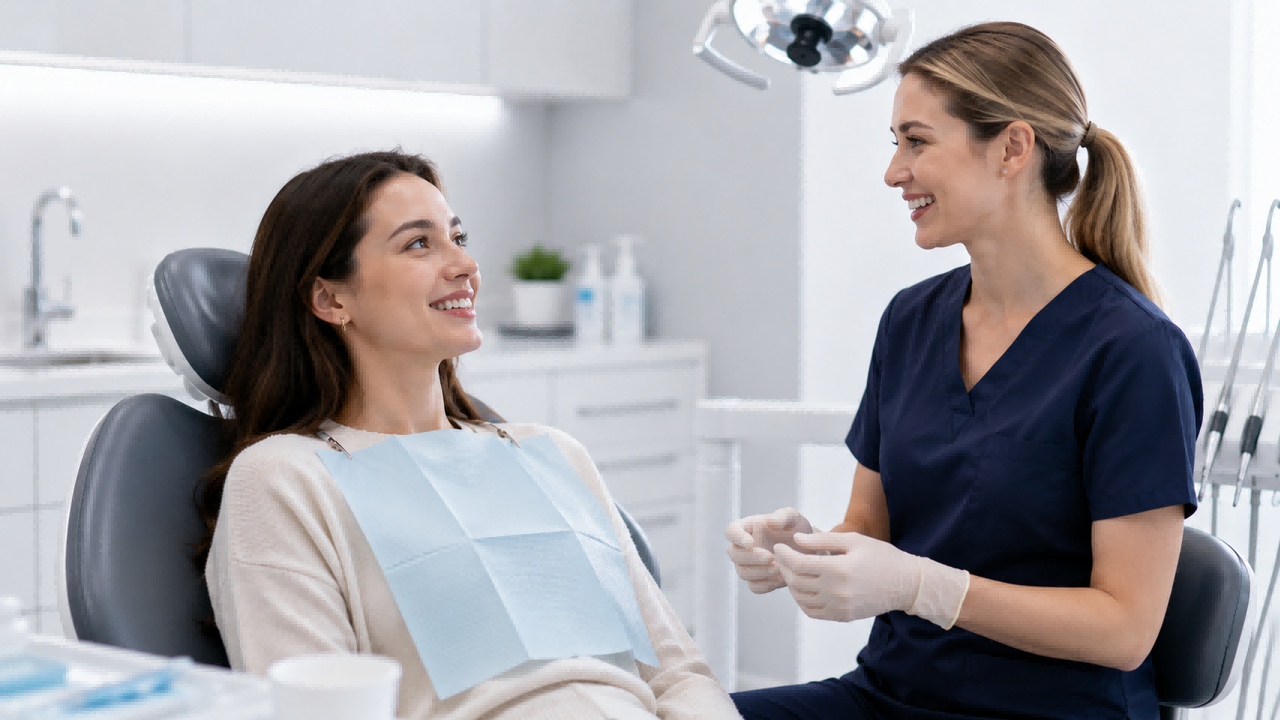
Thanks to its gentle and safety-focused technological approach, Plasma Teeth Whitening enables a more streamlined and standardized treatment workflow:
1.Simplified Treatment Process:Under standardized operating conditions, additional gingival protection and complex desensitization procedures are typically not required. The treatment can be completed through a standardized workflow of HP activation, gel generation, and whitening application, improving procedural consistency while enhancing the overall patient experience.
2.Easier Post-Treatment Care:Conventional whitening treatments are often followed by desensitization or remineralization protocols. In contrast, Plasma Teeth Whitening typically requires minimal post-treatment care, allowing patients to return to their normal daily activities more quickly.
By reducing procedural complexity and improving treatment comfort, this maintenance model helps minimize the time commitment and treatment-related concerns associated with long-term whitening. As a result, teeth whitening can be more easily integrated into a comprehensive long-term oral care strategy.